

Buying your first serious watch means navigating movements, complications and marketing spin. Here’s how to cut through the noise and buy smart, not just expensive.
You never quite know when the horological fairy is going to zap you. You could have gone through your life, quite happily, sporting the same digital Casio on a faded Velcro strap since high school and suddenly, when you least expect it, you see a watch – perhaps in a shop window or gracing the back of a glossy magazine – and something just changes in your brain chemistry. It might have been the coveted Rolex Pepsi, a Royal Oak, a Speed Master or a Super Ocean. For me it was a Frank Muller Vanguard Yachting. There was just something about it that I couldn’t shake, and while I do not, nor probably ever will, own one, I started to take watches a little more seriously.

And it’s at that point that you’ll discover the paradox at the heart of the mechanical watch. It’s a device for telling the time that is, by virtually every measurable standard, inferior to the chip in your phone, your laptop, and even the microwave in your kitchen. Arguably, a cheap quartz watch from a petrol station is more accurate than a US$10,000 Swiss movement.
And yet, the mechanical watch—wound by hand or by the motion of the wrist, regulated by a tiny oscillating wheel, assembled from dozens or hundreds of miniature components by skilled hands over many hours—has never been more culturally significant, more financially valuable, or more hotly contested than it is right now.
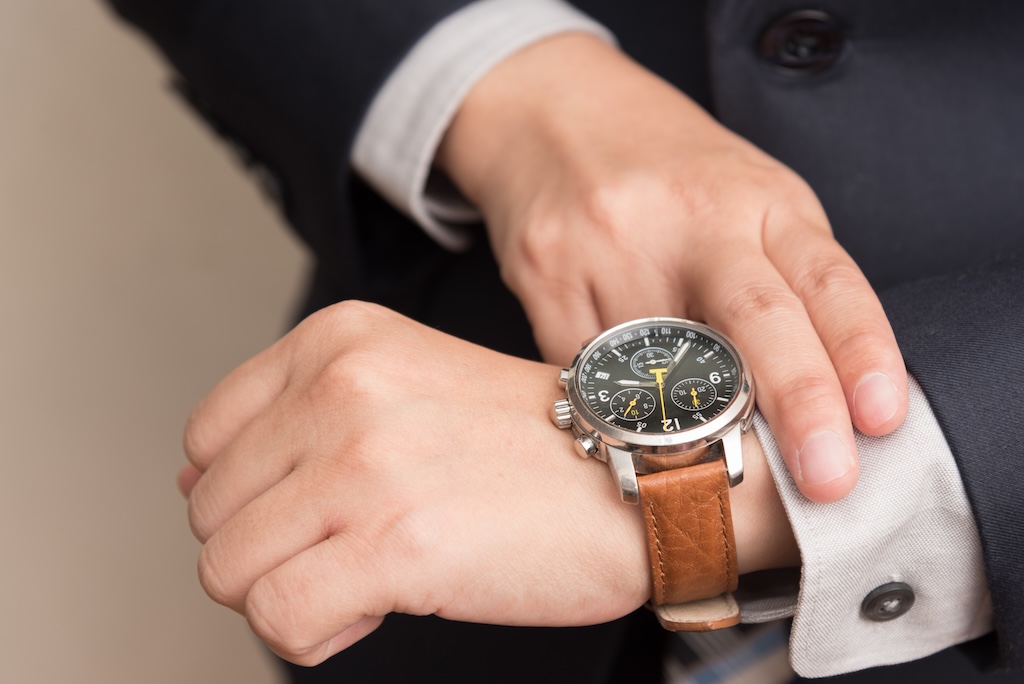
Understanding why requires stepping back from the question of timekeeping entirely. A serious watch is not primarily a timekeeping instrument. It’s a mechanical object of considerable complexity and craft, a piece of portable sculpture that just happens to display the hours passing through the day. It is one of the few luxury purchases available to men that is actually wearable every day, that ages with character, and which, in many cases, retains or even increases its financial value over decades. It is also, in the wrong hands with the wrong information, a category that has relieved a great many enthusiastic but underprepared buyers of significant sums of money for things they did not fully understand.
This guide is designed to prevent that. We look at how watch movements work, what complications actually are, how the major brands sit in relation to each other, and—most practically—how to approach the purchase of your first serious piece with the clarity and confidence of someone who has done this before.
How a Watch Works: The Movement Explained
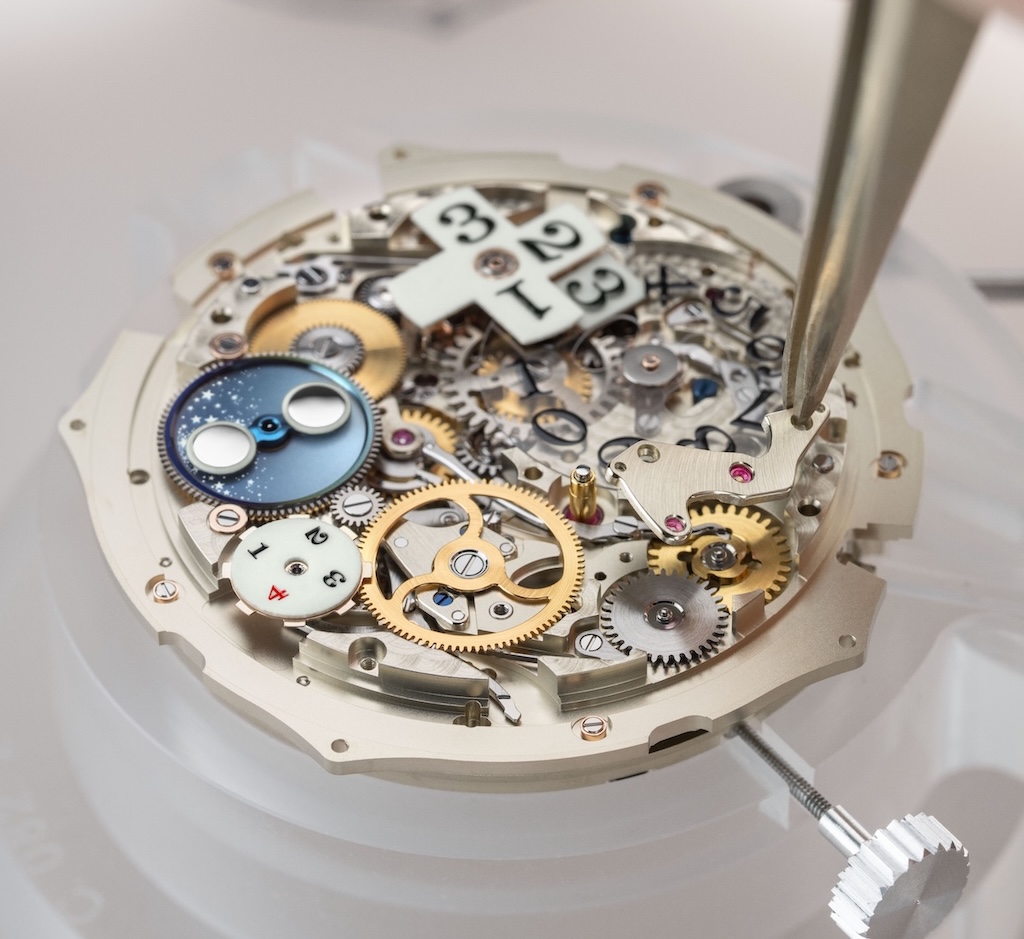
The movement is the engine of a watch—the mechanism inside the case that powers everything the watch does. Understanding the basic types of movement is the first and most fundamental thing a prospective watch buyer needs to know, because movement type determines more about a watch’s character, maintenance requirements, and long-term value than almost any other variable.
Mechanical movements are the traditional, non-battery-powered core of serious watchmaking. They’re powered entirely by a coiled spring—the mainspring—which is wound either by hand (manual-wind) or automatically by a small rotor that spins with the natural motion of the wearer’s wrist (automatic or self-winding). The energy stored in the mainspring is released through a series of gears and regulated by an escapement mechanism—typically a lever escapement—that controls the release of energy in precise, audible increments. That ticking sound in a mechanical watch is the escapement at work, typically beating between 21,600 and 36,000 times per hour depending on the movement’s specification.
A manual-wind movement requires the wearer to wind the crown—usually once a day or every two to three days depending on the power reserve—to maintain tension in the mainspring. It’s a ritual that many enthusiasts value for exactly that reason (hence all those savvy watch winding cases or safes). An automatic movement winds itself as long as it is worn regularly; leave it on the wrist for more than six to eight hours a day and it will never need manual winding. Left unworn for several days, it will need to be wound by hand to restart.
Quartz movements are battery-powered and use the piezoelectric oscillation of a quartz crystal—vibrating at 32,768 times per second—to regulate timekeeping with an accuracy that mechanical movements cannot approach. A standard mechanical watch loses or gains between five and fifteen seconds per day under normal conditions; a standard quartz watch loses or gains perhaps fifteen seconds per year. Quartz movements require almost no maintenance beyond periodic battery replacement, are significantly less expensive to produce, and are entirely appropriate for everyday tool watches and casual wear. The case against quartz in serious watchmaking is not one of function but of character: there is no craft narrative, no mechanical complexity, no reason to look at the movement and feel a particular kind of wonder.
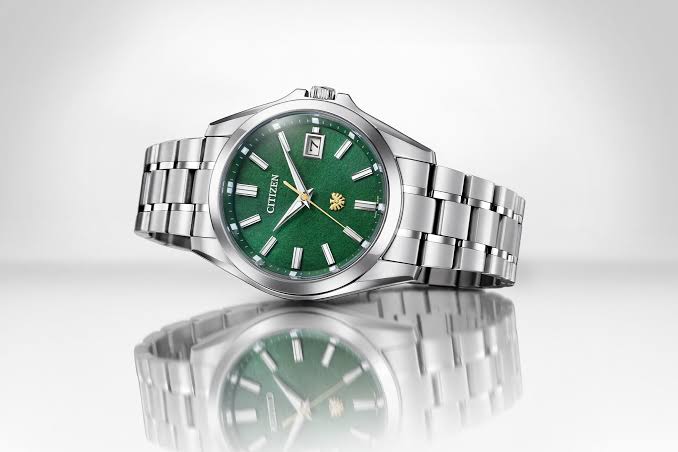
Kinetic and solar movements are hybrids that sit between the two categories. Seiko’s Kinetic technology uses the motion of the wrist to generate electrical energy stored in a capacitor rather than a battery, powering a quartz oscillator. Solar-powered movements (Grand Seiko’s Spring Drive, Citizen’s Eco-Drive, above) convert light to electrical energy with the same effect. Both offer the practical advantages of quartz with reduced battery dependency. They are not, however, considered ‘mechanical’ in the traditional sense and occupy their own practical rather than prestige niche.
Spring Drive deserves a specific mention as the most technically interesting hybrid in mainstream watchmaking. Developed by Seiko and used in Grand Seiko’s most prestigious pieces, the Spring Drive uses a traditional mechanical mainspring for power but regulates the release of that energy using a glide spring and an electromagnetic brake rather than a traditional escapement, achieving accuracy of plus or minus one second per day, far exceeding standard mechanical tolerances. The sweeping seconds hand that results, with no perceptible stepping, is one of the most visually distinctive things in watchmaking.
Complications: What They Are and Which Ones Matter
A ‘complication’ in watchmaking refers to any function beyond basic timekeeping. The term comes from the French word for the additional mechanisms required to produce these functions, and ‘complicated’ refers to the degree of mechanical ingenuity required to achieve them within the constraints of a watch movement. Understanding the major complications helps you read a watch’s specification intelligently and—equally importantly—distinguish between complications that are actually useful and those that are primarily demonstrations of technical virtuosity. Here are some of the most common complications
The Date
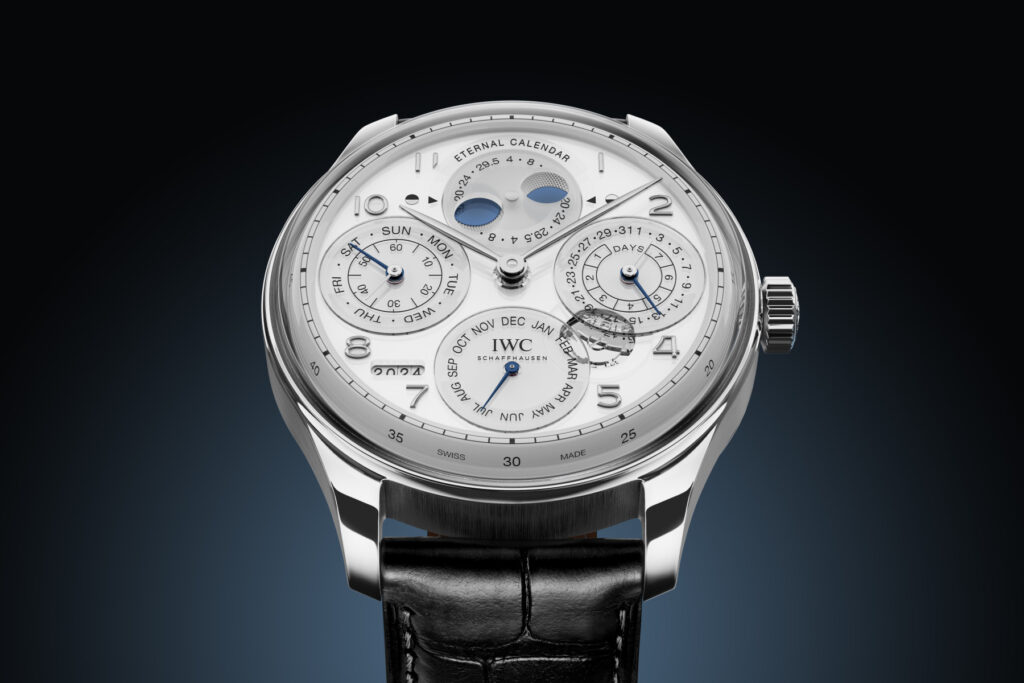
This is by far the most common complication and the one most buyers take for granted. A simple date window (called an ‘aperture’ or ‘guichet’) displaying the date through a small opening in the dial is the entry-level version, found on the vast majority of mechanical watches across all price points. The big date (or ‘grande date’)—displaying the date in two separate windows with considerably more legibility—is a more refined version used by IWC, A. Lange & Söhne, and others. The annual calendar automatically accounts for months of different lengths and requires only one manual correction per year (at the end of February). The perpetual calendar accounts for every month length including leap years and theoretically never requires manual date correction.
The Chronograph
This is a stopwatch function built into the watch, operated by pushers on the side of the case. It’s one of the most popular and commercially successful complications and exists across an enormous price range, from entry-level automatic chronographs at a few hundred dollars to the hand-finished column-wheel movements of Patek Philippe and A. Lange & Söhne at eye-watering sums. A flyback chronograph, which allows the timer to be reset and restarted in a single pusher depression rather than two, was developed for aviation use and remains one of the more practical refinements. The integrated chronograph, where the chronograph mechanism is developed as part of the base movement rather than added as a module, is considered the more prestigious and mechanically elegant approach.
The Tourbillon
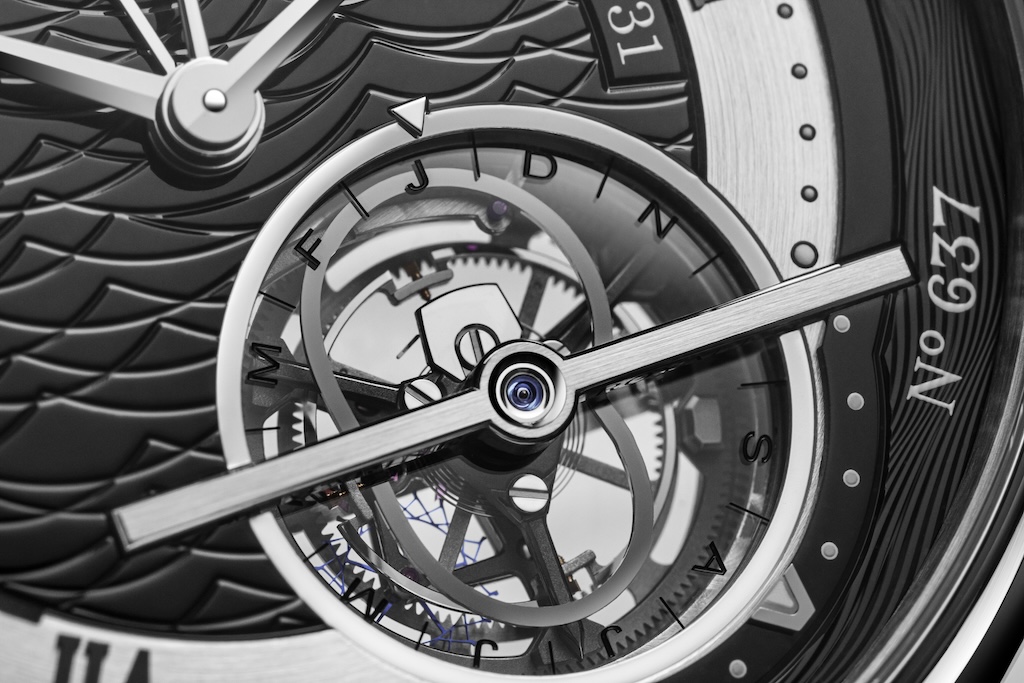
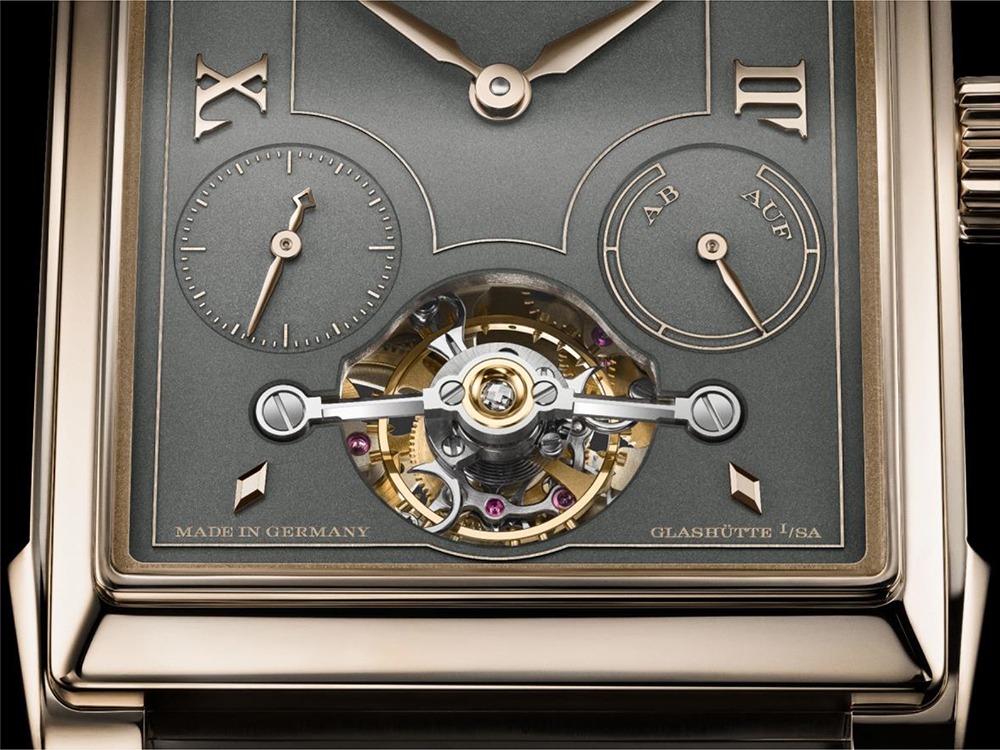
Now this is the complication that most reliably separates the technically literate from the merely enthusiastic. Invented by Abraham-Louis Breguet in 1801 to counteract the effects of gravity on pocket watch accuracy, the tourbillon places the escapement and balance wheel in a rotating cage that completes one revolution per minute, averaging out positional errors. In a wristwatch—which changes position constantly through normal wear, largely negating the gravitational problem the tourbillon was designed to solve—it’s primarily a demonstration of extreme mechanical craft rather than a functional improvement. A visible tourbillon is beautiful to watch; it’s also the single most reliable signal that you are looking at a very expensive watch.
The Moon Phase
This complication, as you might have guessed, displays the current phase of the lunar cycle through an aperture in the dial—typically showing a painted or engraved moon disc rotating behind a mask. It’s among the most romantically appealing of all complications and entirely without practical utility in the modern age, which is precisely why it remains so popular. A high-quality moon phase—accurate to one day in 122 years—is a beautiful and characterful addition to a dress watch dial.
The minute repeater
Finally, the minute repeater (a favourite of Jaeger-LeCoultre) strikes the hours, quarter-hours, and minutes on demand using tiny hammers and gongs inside the case. This little chorus is produced by pressing a slide on the case band. It was developed in the era before wristwatches, when telling the time in darkness was a practical concern. Today, it’s the most technically demanding and expensive of all complications to produce well, and the quality of the chime—its tone, clarity, and resonance—is considered the ultimate expression of the watchmaker’s acoustic art. A great minute repeater from Patek Philippe or F.P. Journe costs more than most houses in most cities. It’s also one of the most transcendent experiences in fine watchmaking.
The Landscape: How the Major Brands Relate to Each Other

The watch industry arranges itself, broadly, into several tiers that relate to price, prestige, in-house manufacturing capability, and historical depth. Understanding this architecture prevents the most common purchasing mistake: overvaluing brand recognition at the expense of quality and provenance.
The Holy Trinity
Patek Philippe, Audemars Piguet, and Vacheron Constantin are the three brands most consistently described as the apex of traditional Swiss watchmaking. All three manufacture their own movements in-house, have histories stretching back to the 19th century, and produce watches of genuine technical and aesthetic excellence.
Patek Philippe is the most storied; the Geneva manufacture has produced some of the most complex and valuable watches ever made, and its Calatrava and Nautilus references have become cultural touchstones. Audemars Piguet created the Royal Oak in 1972, designed by Gerald Genta, it was the first luxury sports watch in steel and remains one of the most influential watch designs in history. Vacheron Constantin, founded in 1755, is the oldest continuously operating watch manufacturer in the world. Entry into any of the three is not cheap: expect to start above US$20,000 for anything new, considerably more for the most desirable references.
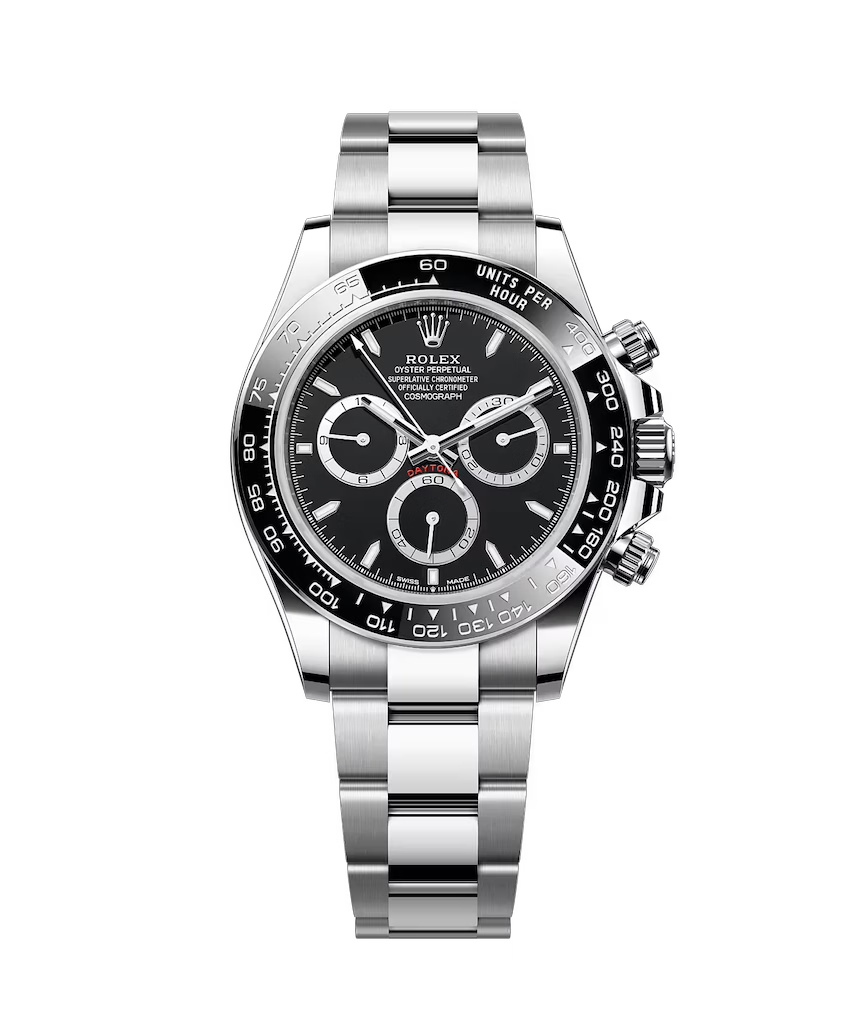
Rolex occupies a category entirely its own—not quite in the Holy Trinity in purist terms, but arguably more culturally significant and financially robust than any other brand in the industry. Rolex does not make the most technically complicated watches in the world, but it makes some of the most robustly engineered, most reliable, and most universally recognised.
The Submariner, Daytona (above), GMT-Master II, and Datejust are among the most iconic watch designs ever produced, and their secondary market values have consistently appreciated over the past two decades to the point where many references trade at significant premiums above retail. Buying a Rolex at authorised dealer retail is increasingly difficult for desirable references due to demand—a situation that has spawned an entire secondary market ecosystem, and considerable complexity for first-time buyers.

The second tier—Omega (my favourite), IWC, Jaeger-LeCoultre, Cartier, Breitling, and Panerai—represents brands with genuine watchmaking depth and heritage, producing excellent watches across a wide range of styles and price points.
Omega is the most commercially successful of the group, with the Speedmaster (worn on the moon and still in production in an almost unchanged form) and the Seamaster representing two of the most historically significant watch designs in existence. IWC’s Portugieser and Pilot’s watches are the definitive expression of clean, legible dress and tool watch design, while Jaeger-LeCoultre is the manufacturer’s manufacturer, a movement supplier to numerous prestigious brands and the creator of the Reverso, one of the most elegant watch designs ever conceived. Cartier’s Santos and Tank are among the most beautiful dress watches in existence, and the brand’s design DNA is unique in the industry.
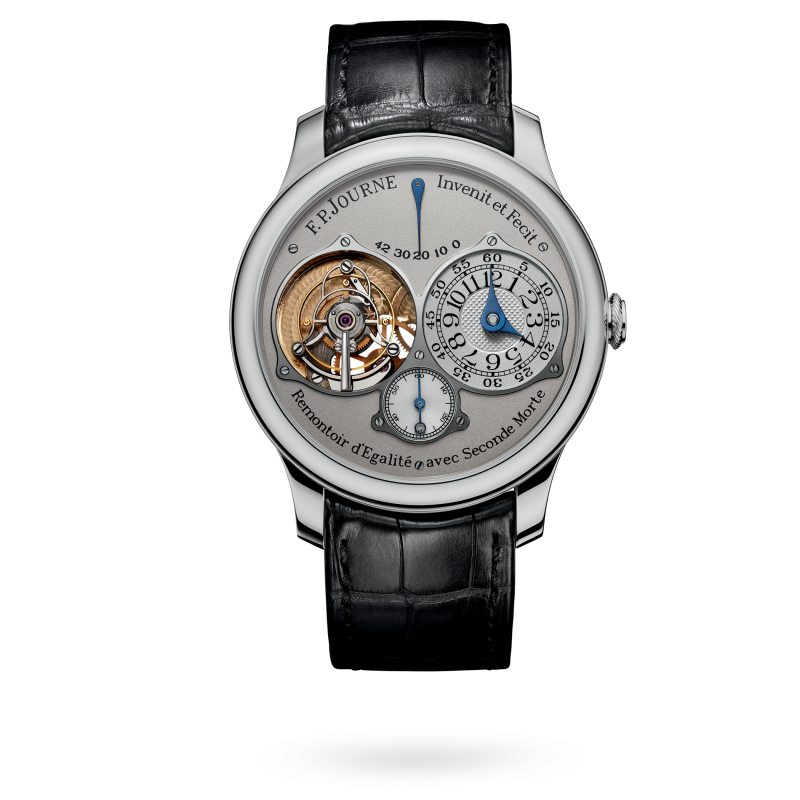
Then you have independents like F.P. Journe (above), A. Lange & Söhne, Laurent Ferrier, H. Moser & Cie, and Philippe Dufour, which represent the most technically and artistically serious end of watchmaking, operating outside the major conglomerate groups (Richemont owns Cartier, IWC, Jaeger-LeCoultre, and others; LVMH owns TAG Heuer, Zenith, and Bulgari; Swatch Group owns Omega, Breguet, and Longines).
A. Lange & Söhne, from Glasshütte in Saxony, produces movements of exceptional finishing quality that are genuinely without peer at any price, while F.P. Journe’s watches are conceptually original in a way that almost nothing else in mainstream watchmaking is. These are brands for the informed buyer who has moved beyond brand recognition to genuine watchmaking values.
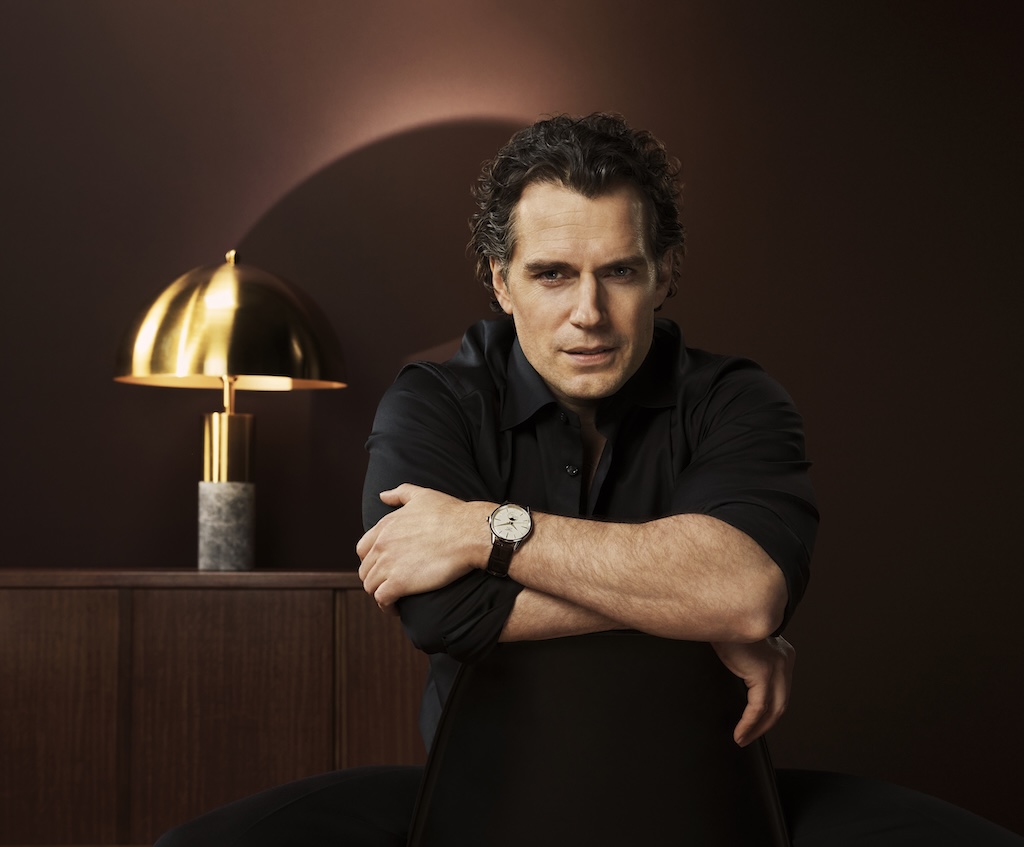
Finally, you have the accessible entry points, including Longines, Tissot, Grand Seiko, and Nomos Glasshütte (and many others), which offer genuine mechanical quality at prices that make sense for a first serious watch. Longines’ Heritage collection produces beautifully designed mechanical watches with in-house movements at a fraction of the price of their luxury tier stablemates. Nomos Glasshütte makes German watches of exceptional design clarity and honest value, with movements produced entirely in Glasshütte by craftspeople who learned their trade from the same tradition as A. Lange & Söhne. Grand Seiko’s enamel dials and Spring Drive technology represent very real watchmaking achievement that holds its own at far higher price points. These are where most thoughtful first-time buyers should be looking.
Watch Styles: Reading the Dress Code of the Wrist

Watches, like clothes, have a context. Understanding the broad style categories prevents the most visible mismatch error, from the enormous dive watch at a black-tie dinner to the elegant dress watch on a dive boat.
Dress watches are thin, simple, and elegant. They’re typically no larger than 38–40mm in diameter, with a clean dial displaying the time and little else, on a leather strap. The Patek Philippe Calatrava is the archetype. These dress watches are designed to sit discreetly under a shirt cuff and complement formal dress. The thinner the better is the guiding aesthetic principle.
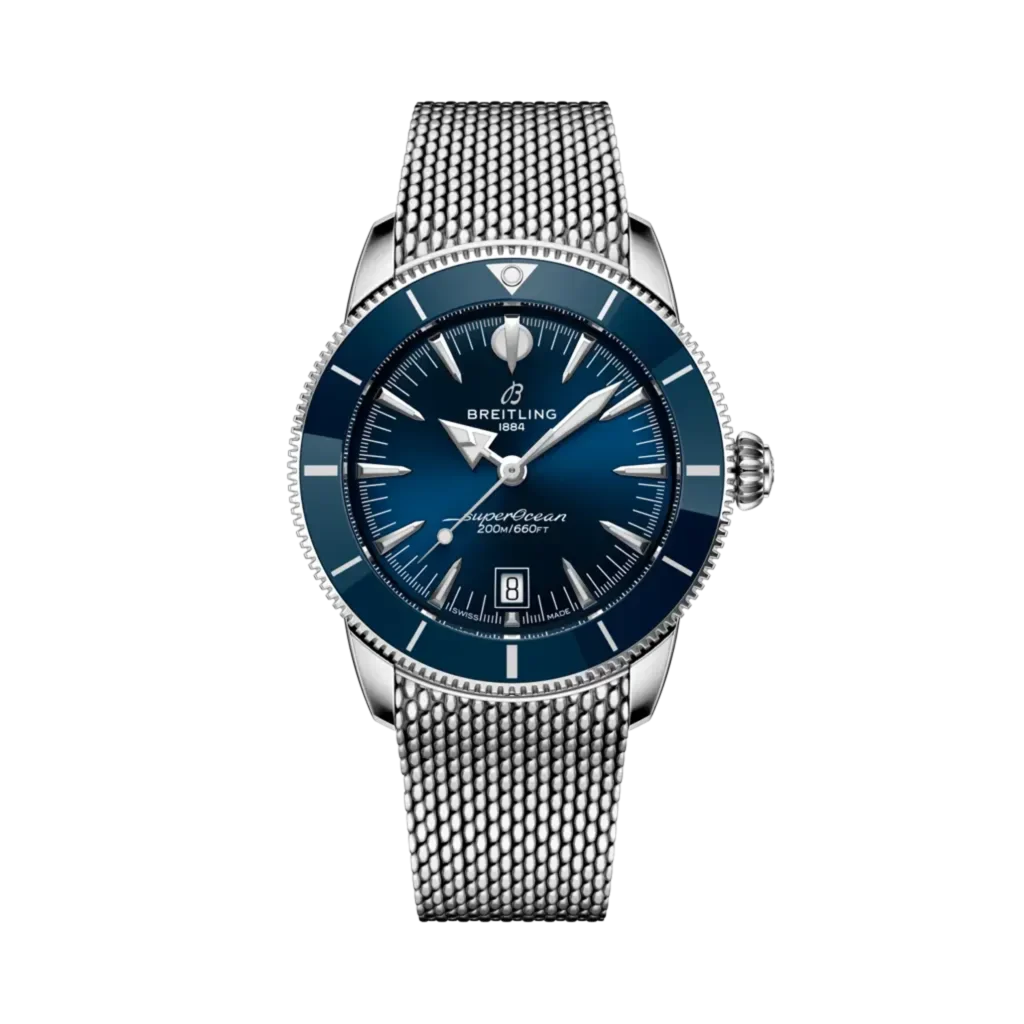
Dive watches are water-resistant to at least 200 metres (true dive watches to 300m or more), feature a unidirectional rotating bezel for timing decompression stops, have luminous hands and indices for legibility in low light, and are generally more robust and larger than dress watches, typically 40–44mm. The Rolex Submariner, the Omega Seamaster Diver 300M, my trusty Breitling Superocean, and the Blancpain Fifty Fathoms are the canonical references. Dive watches—largely because of their robust aesthetic and versatile sizing—have become the most popular style of luxury sports watch and work across far more contexts than their technical specification would suggest.

Pilot’s watches were designed for aviation legibility so expect large, highly readable dials, oversized crowns (originally designed for use with gloves), and often a second time zone or GMT function. The IWC Big Pilot, the Longines Pilot Majetek, and the Breitling Navitimer are the defining references. They wear large and read boldly, and their aviation heritage gives them a particular kind of purposeful, functional beauty.
Field watches are the military descendants of the pocket watch—simple, legible, robust, and unadorned. They’ve also enjoyed something of a renaissance of late Hamilton’s Khaki series and the various military-inspired pieces from Longines and Seiko represent this category well at accessible price points. The field watch aesthetic has enormous crossover appeal in contemporary menswear and sits easily between casual and smart-casual contexts.
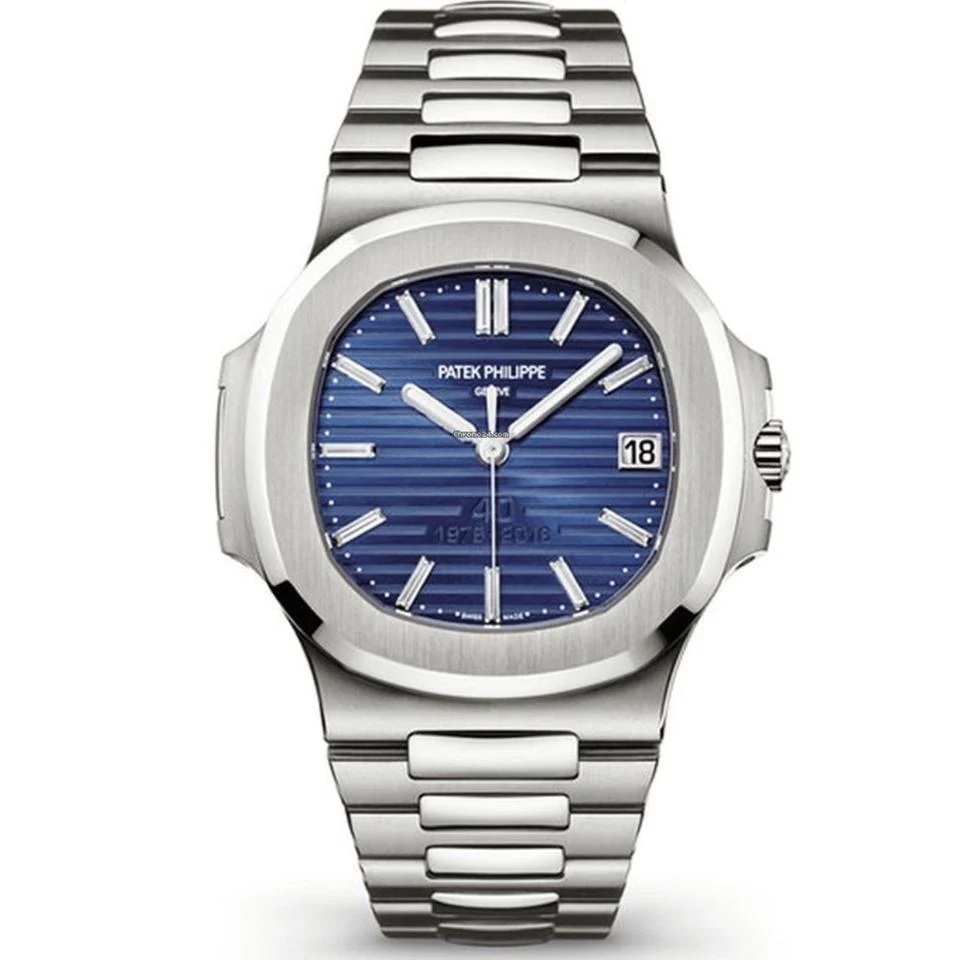
Luxury sports watches—the category created by Gerald Genta with the Royal Oak in 1972 and the Patek Philippe Nautilus (above) in 1976—combine steel sports cases with haute horlogerie movements and finishing. They’re the most contested and commercially overheated category in modern watchmaking, driven by a secondary market that has pushed prices for the most desirable references to multiples of their already considerable retail prices. The AP Royal Oak, Patek Nautilus, and Richard Mille RM series sit at the pinnacle of this category. They’re not—the secondary market notwithstanding—where a first serious purchase should begin.
How to Buy Your First Serious Watch: The Framework

The first serious watch purchase is one of the most enjoyable and most mishandled consumer decisions in a man’s life. The following framework has been developed specifically to prevent the most common errors.
How to Begin
Begin with what you actually wear and where you actually wear it. A watch that sits in a box because it doesn’t suit your daily life is not an achievement; it’s an expensive oversight. If your daily context is creative, casual, and outdoorsa field watch or a clean sports watch on a NATO strap makes more sense than a thin dress watch you a’re afraid to damage. If you wear a suit three days a week and want something that functions as a subtle signal of quality, a dress watch or restrained luxury sports watch is the right category. Be honest about your actual life rather than the aspirational version of it.

Money, Money
Set a budget and add 20% to it. The watch you end up wanting is almost always slightly above the budget you set at the beginning of the research process. This is not a failure of discipline; it’s the natural result of learning more about what you are buying and discovering that the additional spend represents tangible additional value. Budget for the watch, the strap alternatives you will inevitably want, and servicing costs over the medium term.
Where to Shop
Buy new or buy certified pre-owned from a reputable source. The secondary market for watches is enormous, largely legitimate, and an excellent source of value—a pre-owned watch that has been properly serviced and certified can represent significantly better value per unit of quality than a new watch at the same price point. Reputable sources include Chrono24 (the largest global marketplace, with seller ratings and a buyer protection programme), WatchBox (now part of the 1916 company), Watchfinder, and the pre-owned programmes run by authorised dealers of major brands.
What to Avoid
Stay clear of undocumented grey-market watches from informal sources, watches without papers and original box where these are expected (they affect resale value significantly), and any seller who is unwilling to provide service history on a watch claiming to be recently serviced.
Handle Before You Buy
This is non-negotiable for a first serious purchase. Photographs and specifications tell you the objective facts; only wearing the watch tells you whether the case sits well on your wrist, whether the dial feels right at arm’s length, whether the weight is pleasant or burdensome. A 42mm watch that looks proportionally ideal on a full-page spread in a magazine can look overwhelming on a smaller wrist. A 36mm dress watch that reads as delicate in isolation can look perfectly calibrated in person. Visit authorised dealers, handle the pieces you are considering, and trust your wrist’s verdict over any photograph.

Understand what you are buying in terms of resale trajectory. Not all watches hold value equally, and buying with some awareness of the secondary market—even if you intend to wear the watch for 30 years—is the mark of an informed buyer. Rolex, Patek Philippe, Audemars Piguet, and A. Lange & Söhne have historically strong secondary market performance, but many fashion-adjacent brands and watch-adjacent luxury houses do not. Complications add value when they are executed by prestigious movements; on an anonymous eBauches movement, they add cost at retail and little to resale.
The Mistakes That Cost People Money
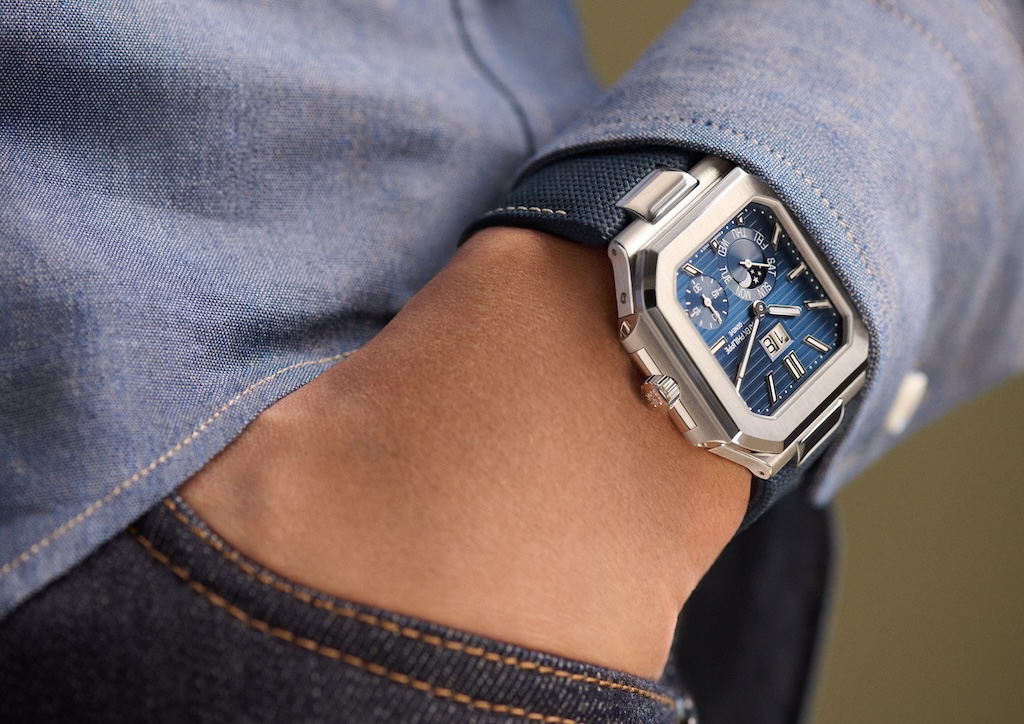
The watch industry has developed, over the years, a remarkably efficient set of mechanisms for relieving excited first-time buyers of money they did not intend to spend. Knowing the most common ones in advance is the cheapest form of insurance available.
Know Before You Go
Buying on hype rather than knowledge is the most common error. The secondary market premiums on the most desirable Rolex, AP, and Patek references have attracted a generation of buyers who are purchasing financial instruments rather than watches. This is a legitimate thing to do, but it requires knowledge of the secondary market, discipline about entry price, and acceptance of the risk that secondary market dynamics can and do shift. The man who paid a 200% premium on a steel Nautilus in 2022 and sold it in 2024 will have a different view of the investment thesis than the man who did the same in 2018.

Leave Fashion to the Fashion Houses
Buying fashion-branded watches is the second common error. Several luxury fashion houses, whose skills lie in leather goods, ready-to-wear, and brand management, produce watches under their names using bought-in movements and cases, at price points that reflect the brand’s leather goods margin structure rather than any particular watchmaking achievement. These watches are not bad objects, but they’re not serious watches, and they do not hold value. The same budget directed toward an established watchmaker with genuine movement expertise buys considerably more in both quality and long-term value.
Maintain Your Watch
Neglecting service costs is the third. A mechanical watch requires periodic servicing—typically every five to seven years for a modern movement, though opinions vary—at a cost that can range from a few hundred dollars for a simple movement to several thousand for a complicated one. This is not optional maintenance; a poorly serviced mechanical watch runs inaccurately, wears its components faster, and can suffer damage that costs far more to rectify than regular servicing would have. Factor service costs into the total cost of ownership before buying.
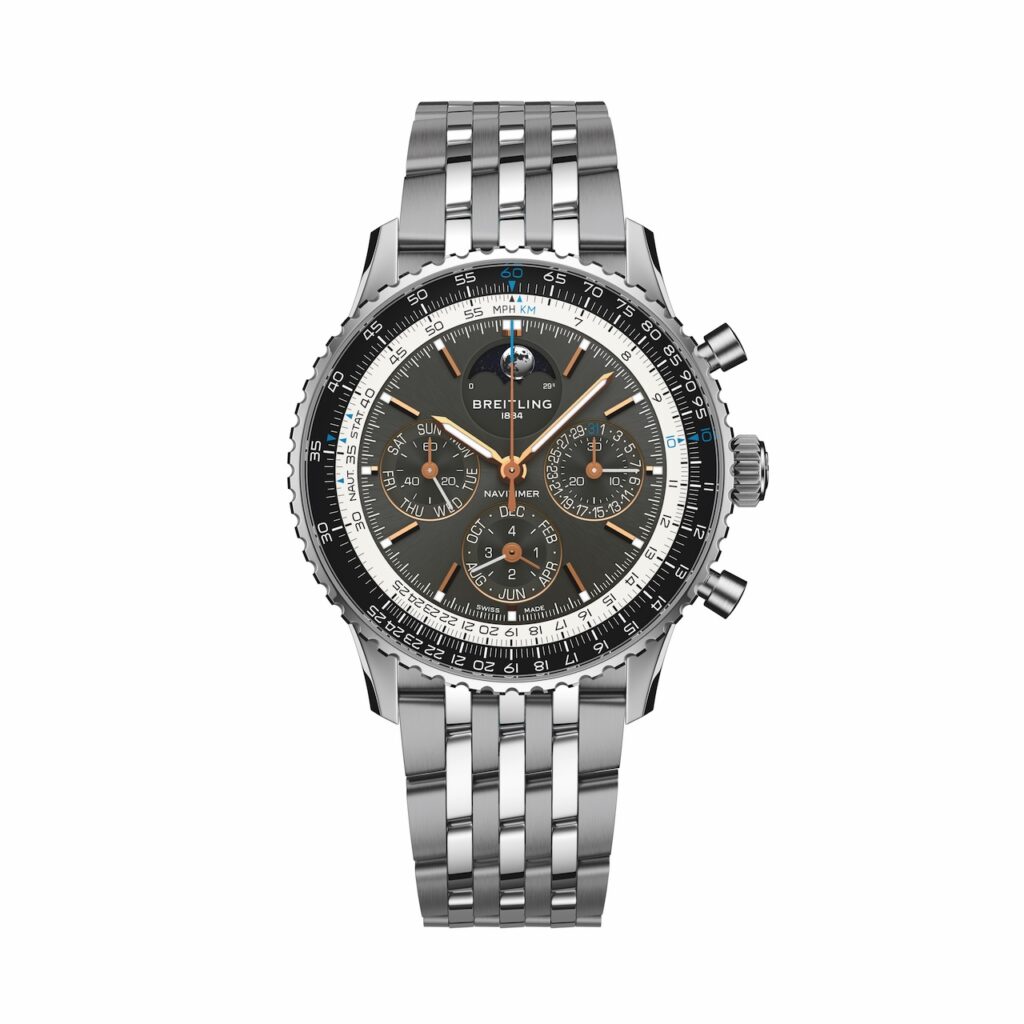
Don’t Be Rash
Finally, buying too many mediocre watches instead of one excellent one is the mistake most collectors retrospectively wish they had avoided. The watch industry is very good at producing objects that feel aspirational at a given price point and look slightly inadequate once you have spent more and understood more. One excellent watch—properly chosen, properly sized, properly representing the buyer’s taste and life—is worth considerably more than five compromises.
The First Watch: Specific Recommendations by Budget
Theory is useful; specifics are more useful. The following represents considered starting points at different budget levels for a first serious mechanical watch, prioritising genuine watchmaking quality, versatility, and long-term satisfaction over brand recognition alone.
Under USD 1,500: Opt for the Nomos Glasshütte Club Campus or Orion; Seiko Presage Craftsmanship series; Longines’ Master or Heritage collections, or something like the Tissot Le Locle Powermatic 80. All offer genuine mechanical movements, honest design, and quality finishing that punches above their price point. The Nomos and Seiko Presage represent particular value for anyone who cares about movement craft and dial artistry.
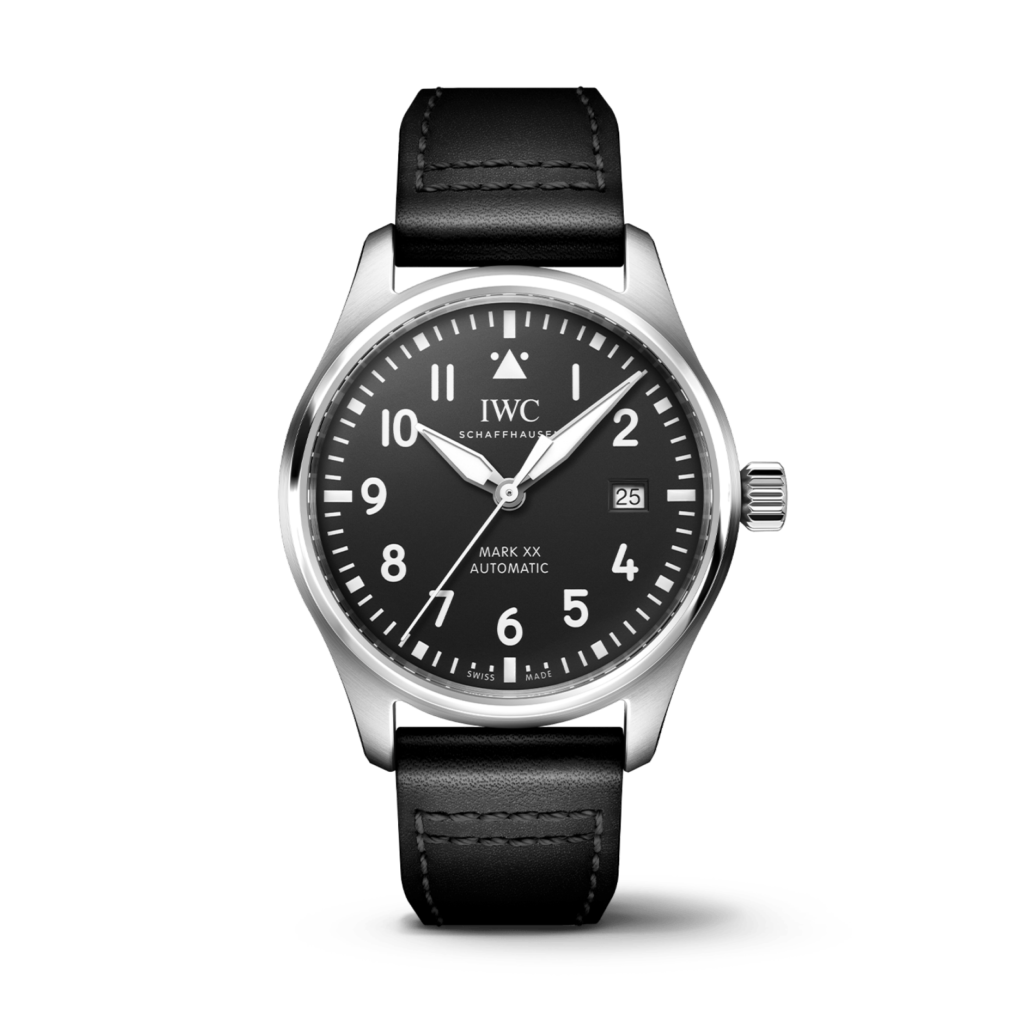
USD 1,500–5,000: Spend a little more to get the Grand Seiko SBGW series (hand-wound, exceptional dial quality); the Tudor Black Bay 58 (one of the finest value propositions in mechanical watchmaking at any price; the Longines Conquest Heritage; IWC Portofino or Schaffhausen Pilot’s Watch Mark XX (above); or the Frederique Constant Slimline Perpetual Calendar. This is the bracket where the choice becomes genuinely difficult, and the quality floor rises considerably.
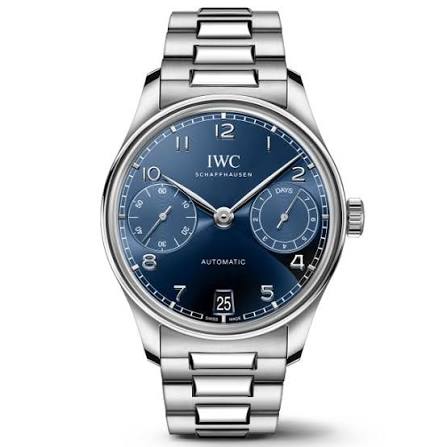
USD 5,000–15,000: For something a little more serious, opt for an Omega Speedmaster Professional Moonwatch, an icon for legitimate reasons with the hand-wound Calibre 3861; the IWC Portugieser Automatic (above); the Jaeger-LeCoultre Reverso Duoface; or the A. Lange & Söhne Saxonia Thin (if the budget reaches). Another great option is the Grand Seiko Snowflake (SBGA211), which has one of the most beautiful dials in all of watchmaking, with a Spring Drive movement of extraordinary technical interest. This is the bracket where watches become genuinely serious objects.
Above USD 15,000: Here, the world opens considerably. You can wade in with a Patek Philippe Calatrava or Annual Calendar; an A. Lange & Söhne LangeMatik or Datograph; a F.P. Journe Souveraine series; the Vacheron Constantin Patrimony or Audemars Piguet Royal Oak. At this level, you are buying into the upper tier of the craft, and the expectation—of movement quality, finishing, and long-term value—should be calibrated accordingly.
One Last Thing: Wear the Watch
The most common affliction of the serious watch owner is a condition informally known as box-queen syndrome: the watch sits in its box, or on a watch winder, or in a safe, unworn and therefore unloved. This is understandable given the prices involved, but it defeats the entire purpose of owning a watch.
A mechanical watch is designed to be worn. The movement benefits from regular operation. The case develops a patina of micro-scratches and wear that, on a well-made watch, is not damage, it’s character. A Submariner worn daily for twenty years looks like something that has been lived in; a Submariner kept pristine in its box for twenty years looks like something that was owned but never quite embraced. Both have value; only one tells a story.

The watch you buy should be the watch you wear. If you find yourself reluctant to wear it—because it is too precious, too large, too formal for your actual life—you have bought the wrong watch. Go back to the beginning, revisit the framework, and this time buy the watch that suits who you actually are rather than who you occasionally imagine yourself to be. That watch, worn every day for the next twenty years, will be worth infinitely more than any reference that sits in a box waiting for an occasion that never quite arrives.