
From the juniper-forward classics of London to the botanical precision of Tokyo and Singapore, the world of gin has never been more exciting, or more worth exploring.
Why Gin Is Having Its Greatest Moment
There has never been a better time to drink gin. Over the past decade, the spirit has undergone a quiet revolution — one that has produced hundreds of new distilleries across every continent, unlocked botanicals that didn’t exist in gin’s vocabulary just 20 years ago, and built a cocktail culture sophisticated enough to make the classic martini or negroni feel both timeless and thrillingly relevant.

But gin’s new golden age has also made things complicated. Walk into any well-stocked bar or bottle shop today, and you’ll find shelves crowded with options that bear almost no resemblance to one another: some clear, some golden, some pink; some bone-dry, some subtly sweet; some tasting like a pine forest, others like a Japanese tea garden. Knowing what you’re looking at — and what you actually want — requires a working knowledge of gin’s core styles.
That’s what this guide is for. Below, you’ll find a breakdown of the five major styles of gin, with five key bottles for each, the stories behind them, and everything you need to drink smarter. We’ve also made a point of including producers from across Asia, a region that has become one of the most exciting frontiers in craft gin.
London Dry Gin — The Benchmark
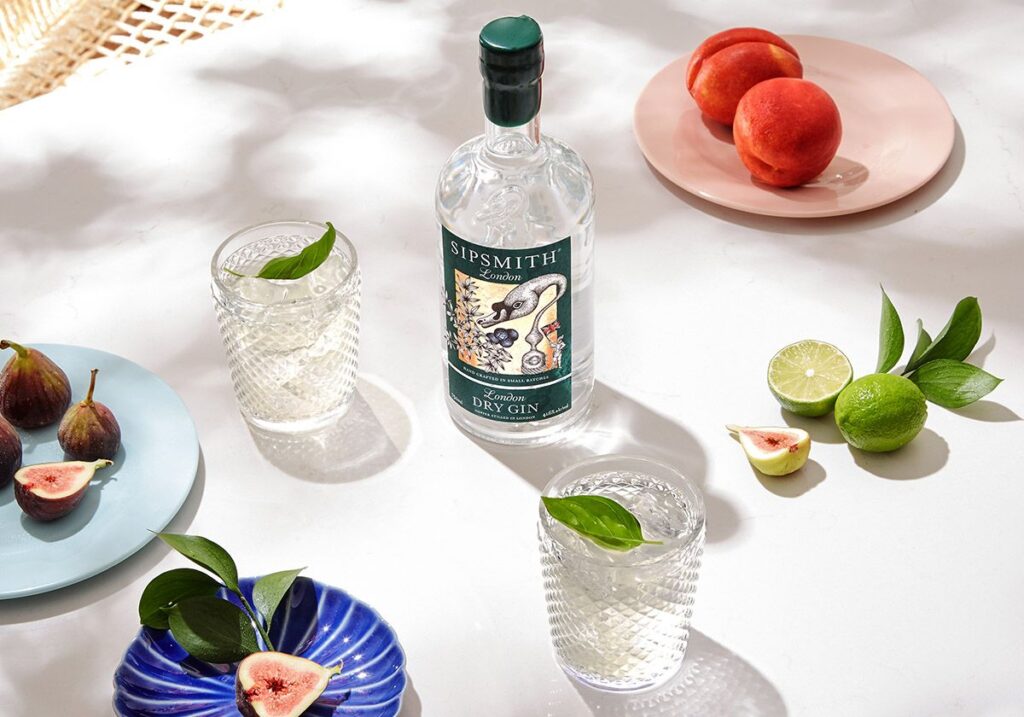
London Dry is the style against which every other gin is measured. Despite the name, it doesn’t have to be made in London as it’s a method, not a geography. The defining rules are strict: all botanicals must be distilled together with a neutral spirit, nothing can be added after distillation except water and a tiny amount of sweetener (less than 0.1 grams per litre), and the dominant flavour must be juniper.
The result is a clean, dry, aromatic gin with that unmistakable pine-forward character. It’s the gin of the martini, the G&T, and the Gimlet and it remains the default setting for most serious drinkers.
5 London Dry Gins Worth Drinking
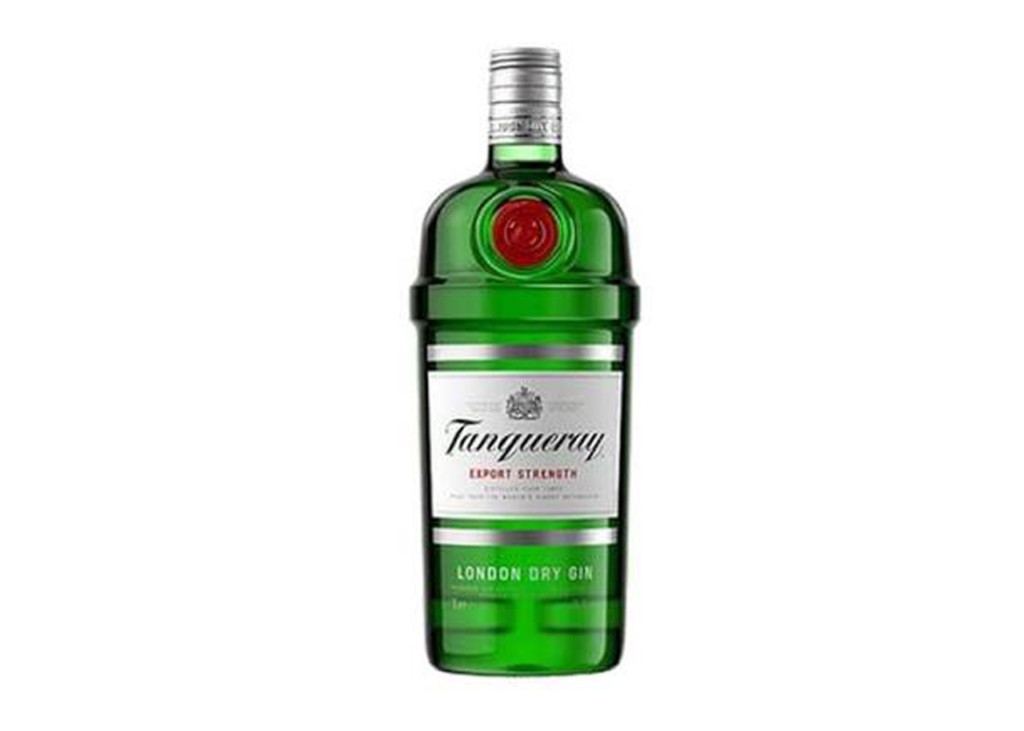
1. Tanqueray London Dry Gin (Scotland)
Charles Tanqueray’s 1830 recipe has barely changed, and that’s the point. Built on just four botanicals — juniper, coriander, angelica root, and liquorice — Tanqueray is a masterclass in restraint. It’s the bartender’s workhorse for a reason: it’s clean, assertive, and plays beautifully in almost every gin cocktail. The juniper hits first, the citrus follows, and the finish is long and spiced. For a little variation, try Tanqueray No. TEN, which is a London Dry elevated with fresh whole citrus fruits — grapefruit, orange, and lime — distilled alongside the botanicals rather than added as extracts. The result is a London Dry with unusual freshness and vivid citrus lift.
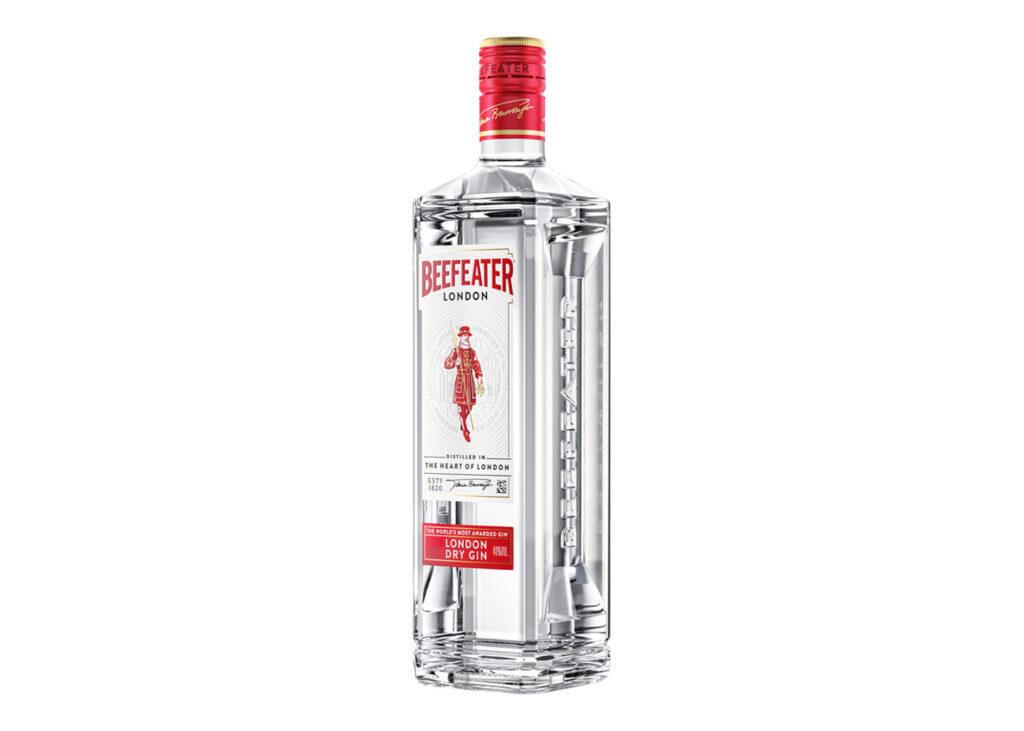
2. Beefeater London Dry (England)
Made in one of the last remaining distilleries in London itself, Beefeater uses nine botanicals macerated for a full 24 hours before distillation in a longer steep than most. The result is a gin with real depth: juniper-led, but with a pronounced citrus note from Seville orange peel and lemon that gives it unusual brightness. Accessible, affordable, and underrated by those who’ve stopped paying attention.
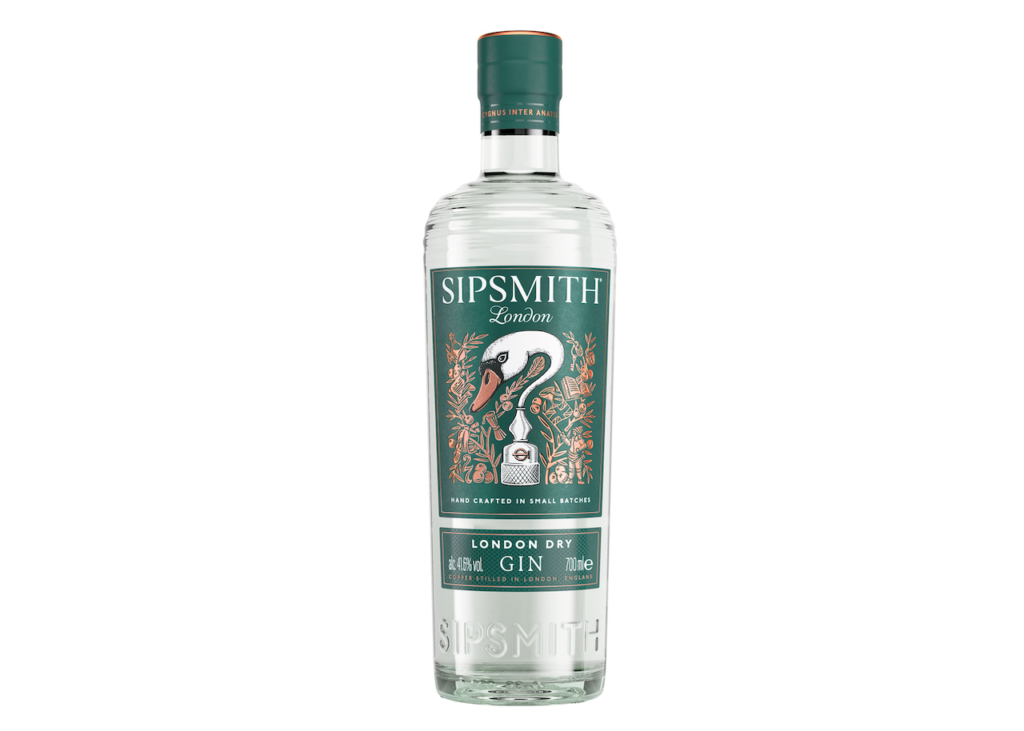
3. Sipsmith London Dry Gin (England)
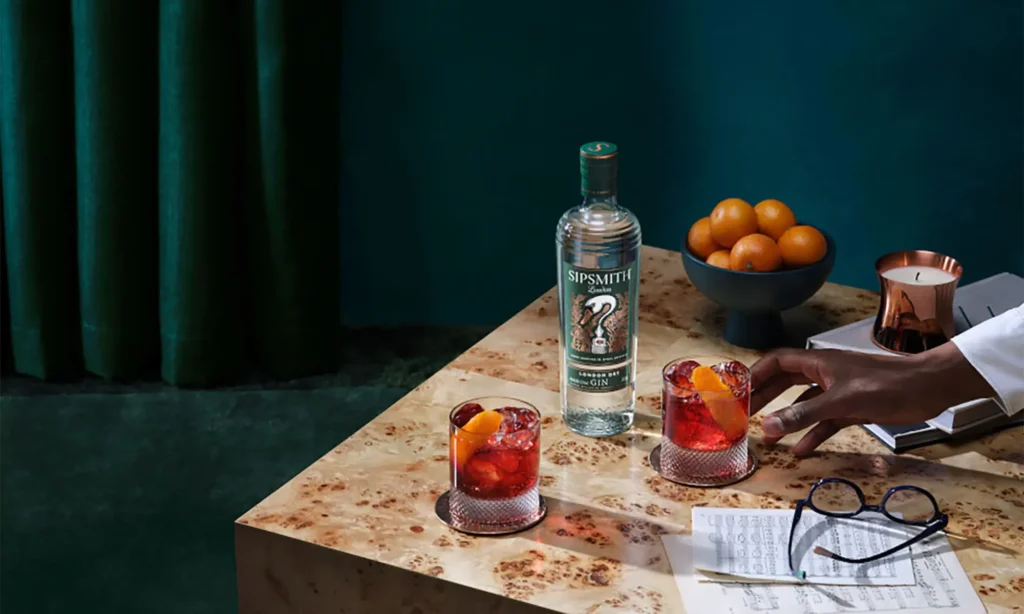
When Sipsmith opened in 2009 in Hammersmith, it was the first new copper pot distillery in London in nearly 200 years. Its London Dry was the spirit that helped spark the modern craft gin movement, and it still stands up: rich, traditional, juniper-forward, but with a depth from its ten botanicals — including fresh lemon and orange peel, almond, and liquorice root — that feels less austere than many of its peers.
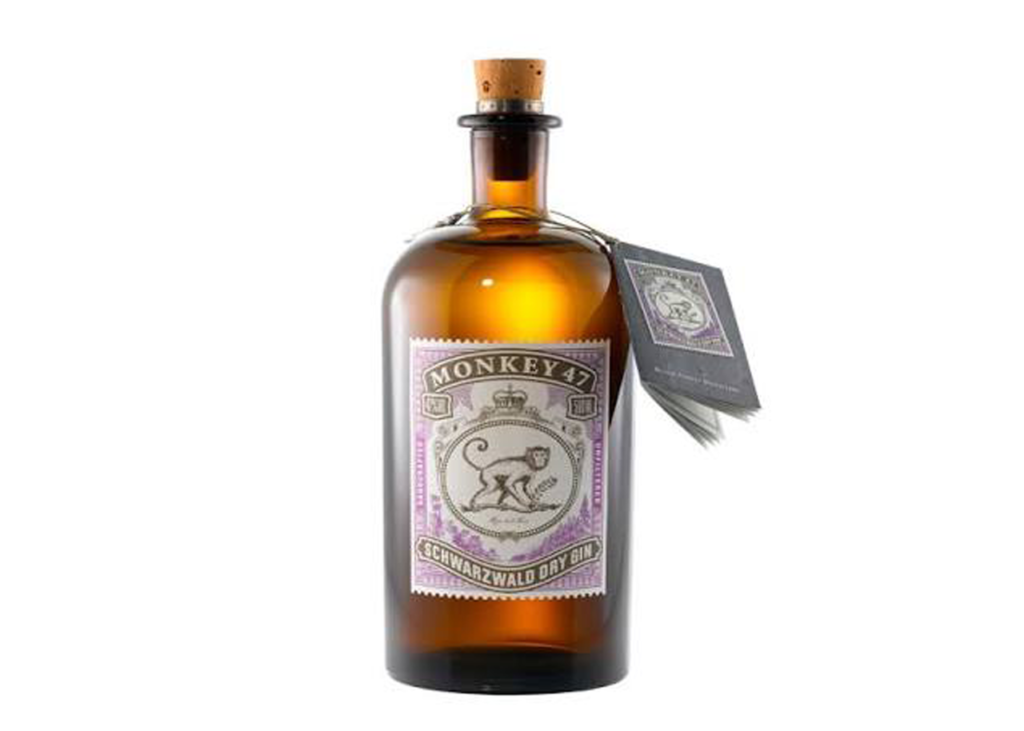
4. Monkey 47 Schwarzwald Dry Gin (Germany)
Technically a Schwarzwald (Black Forest) dry gin, Monkey 47 is made in Germany’s Black Forest using 47 botanicals — a remarkable number that somehow produces a gin of genuine coherence rather than chaos. It’s complex without being confusing: juniper is present but sits alongside lingonberries, spruce shoots, and verbena. The nose alone justifies the price. A dry gin in structure, but deeply individual in character.
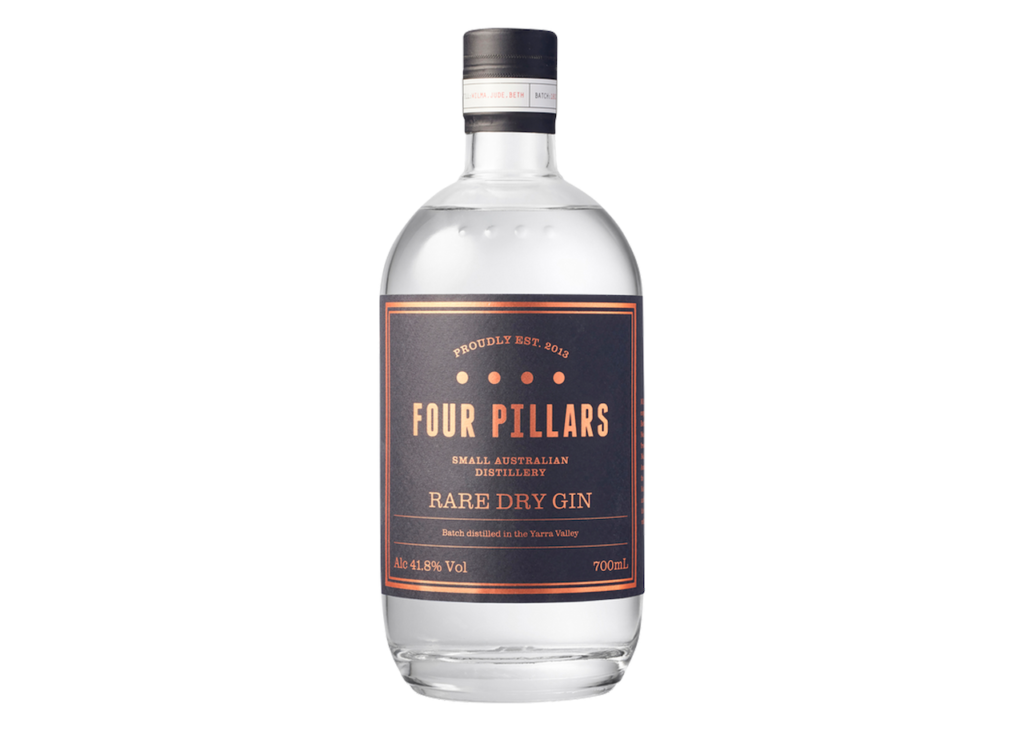
5. Four Pillars Rare Dry Gin (Australia)
While technically a London Dry Gin, leave it to the Aussies to mix things up a little. The Victorian distillery makes its rare Dry Gin in the London Dry style, meaning it’s juniper-forward with no flavour or sugar added after distillation but instead of using dried citrus peels, they toss whole fresh oranges and native Australian botanicals (like lemon myrtle and Tasmanian pepperberry) into the still, delivering a much brighter, spicier, and more citrus-forward profile than a traditional, classic London Dry.
Contemporary Gin — The New Wave
Also called New Western, New American, or New European gin, depending on who you ask, contemporary gin is defined by what it isn’t: it isn’t required to lead with juniper. In these gins, the distiller is free to push any botanical to the foreground — citrus, floral, herbal, savoury, spiced — with juniper present but not necessarily dominant.
This style is responsible for the explosion of craft gin over the past 15 years, and it’s where the most exciting innovation is happening, particularly across Asia.
5 Contemporary Gins Worth Drinking
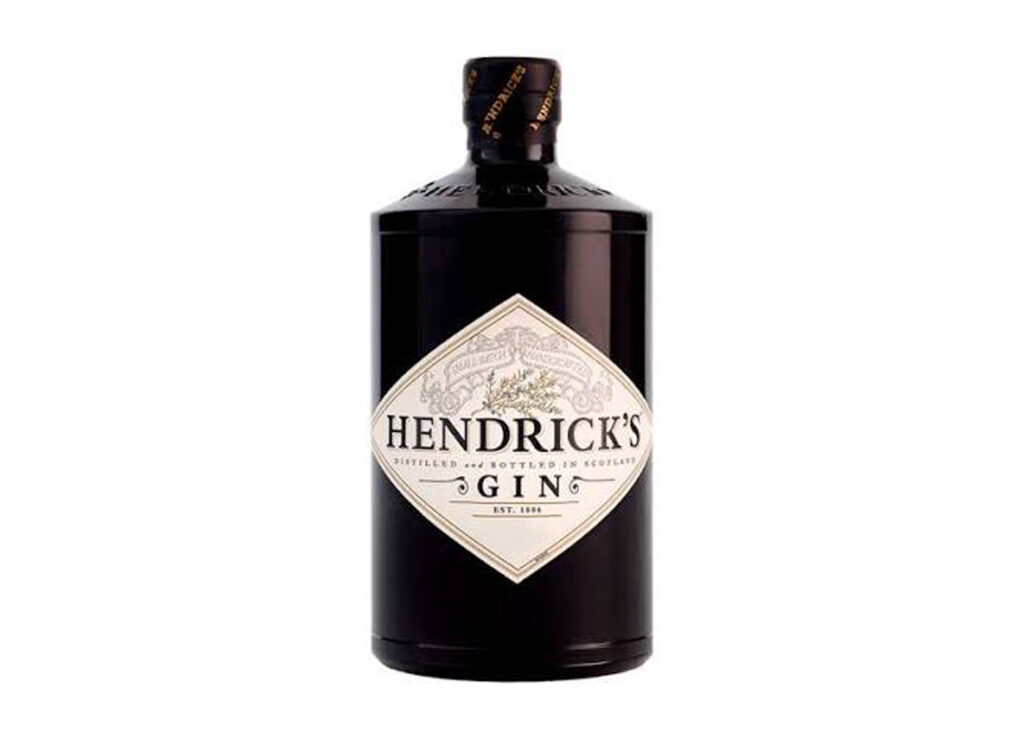
1. Hendrick’s Gin (Scotland)
The gin that changed everything for the mainstream. When Hendrick’s launched in 1999 with rose and cucumber as its signature botanicals, it felt like a provocation. Now it’s a category unto itself. Distilled in both a Carter-Head and a pot still (then blended), Hendrick’s is floral, gently sweet, and distinctly unlike anything that came before it. You’ll quickly appriciate that the cucumber garnish isn’t a gimmick, it’s one of life’s little essentials.
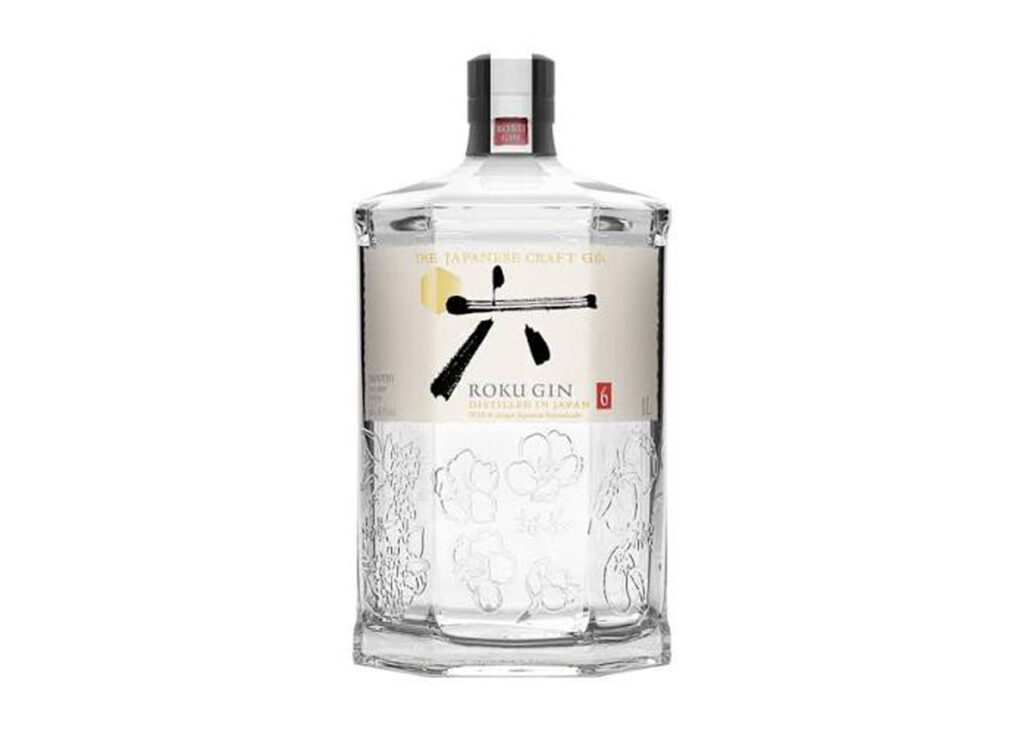
2. Roku Gin (Japan)
Suntory’s Roku — meaning “six” in Japanese — is built around six Japanese botanicals: sakura flower, sakura leaf, yuzu peel, sencha tea, gyokuro tea, and sansho pepper. Each is harvested in its appropriate season and distilled separately before blending. The result is a gin that tastes genuinely Japanese: delicate, precise, softly floral with a tea-like smoothness and a slow-building pepper finish. Outstanding in a Gin & Tonic with a slice of grapefruit.
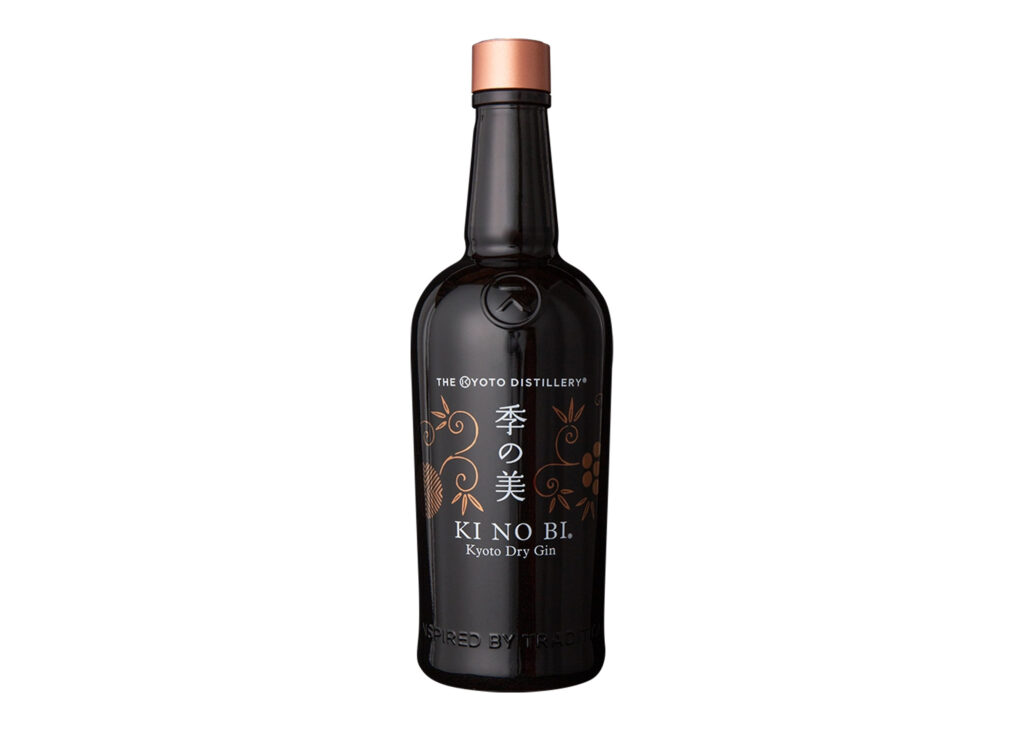
3. Ki No Bi Kyoto Dry Gin (Japan)
From The Kyoto Distillery, Ki No Bi (meaning “the beauty of seasons”) is Japan’s most celebrated craft gin. It’s built on a rice spirit base rather than the conventional grain neutral spirit, which lends a distinctive texture, and uses 11 botanicals in six distinct “elements” — Base, Citrus, Tea, Floral, Spice, and Herbaceous — blended together after separate distillation. Yuzu dominates the citrus character, Hinoki cypress wood adds a quiet earthiness, and yellow ginger brings warmth. Sipped neat over ice, it’s extraordinary.
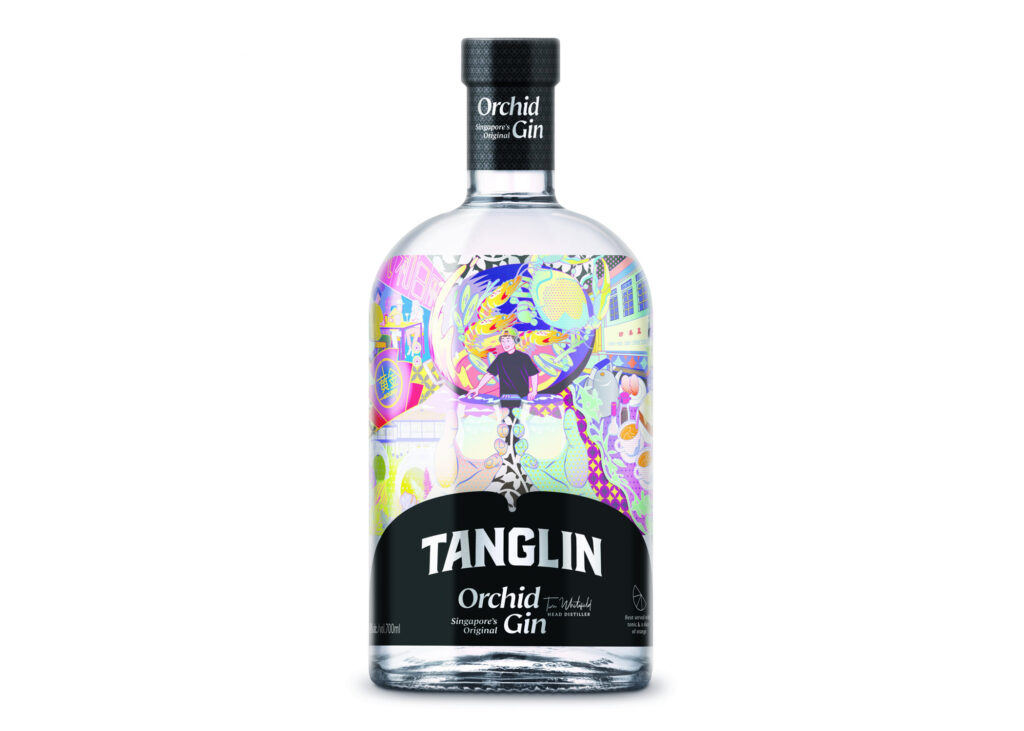
4. Tanglin Orchid Gin (Singapore)
Singapore’s Tanglin Distillery produces one of Southeast Asia’s most acclaimed gins, and its Orchid expression is the standout. Built on an aromatic base with tropical botanicals — including orchid, pandan, and galangal — it’s a gin that captures something of the Lion City’s lush, humid character. The nose is soft and floral; the palate is drier and more complex than the bottle’s beauty might suggest. This is a brilliant introduction to Southeast Asian gin.
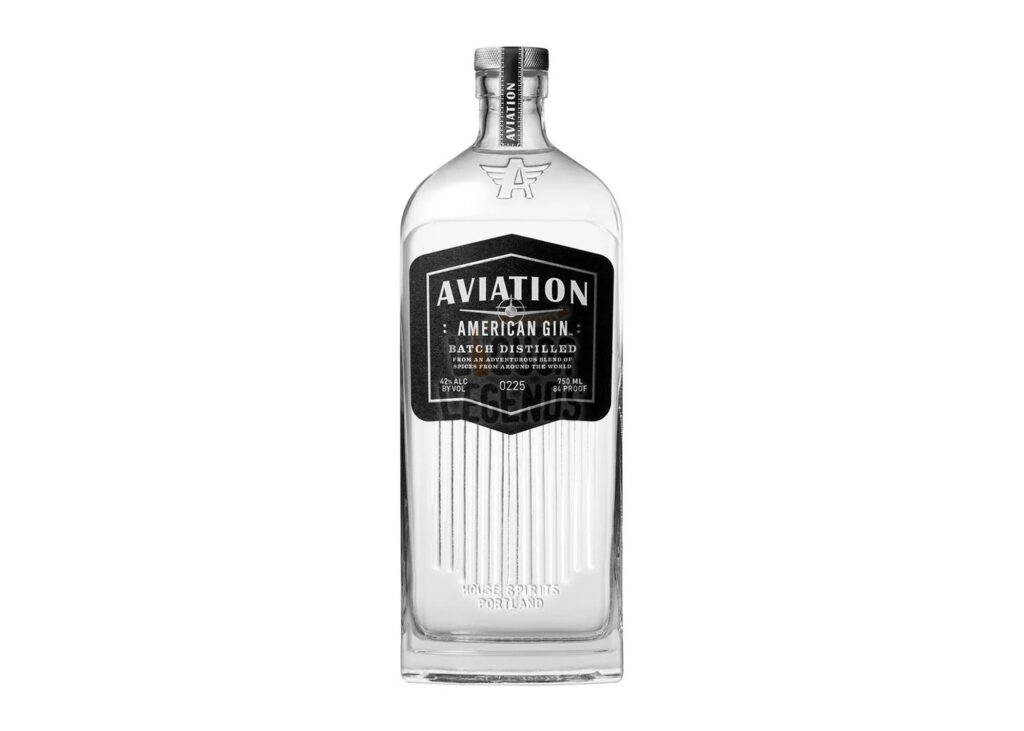
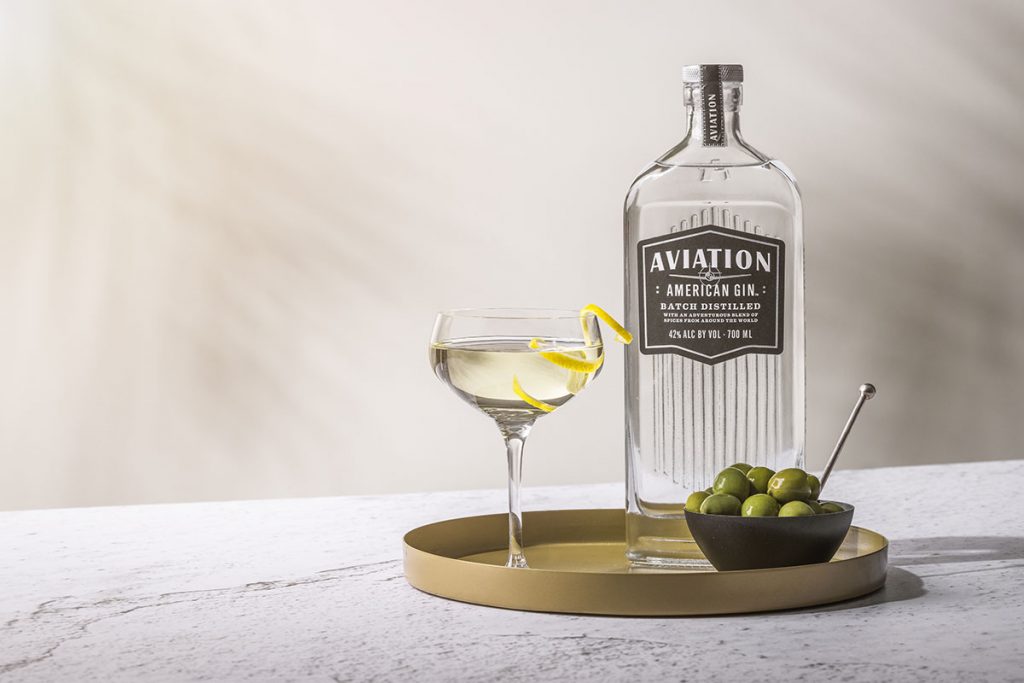
5. Aviation Gin (United States)
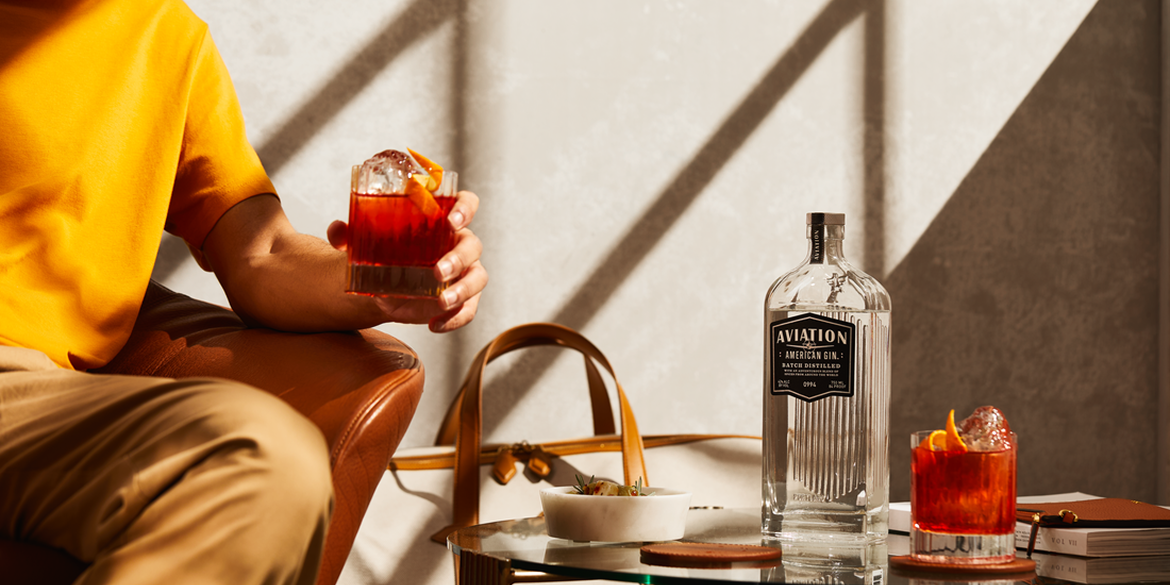
Aviation is the gin that put American craft gin on the map — and then handed the map to Ryan Reynolds. Made at House Spirits Distillery in Portland, Oregon, it’s a textbook New Western contemporary gin: juniper is present but deliberately dethroned, sharing equal billing with six other botanicals — French lavender, cardamom, sarsaparilla, coriander, anise seed, and two kinds of orange peel — macerated for 18 hours before distillation. The result is floral, softly spiced, and uncommonly smooth at 42% ABV.
Old Tom Gin — The Sweet Original
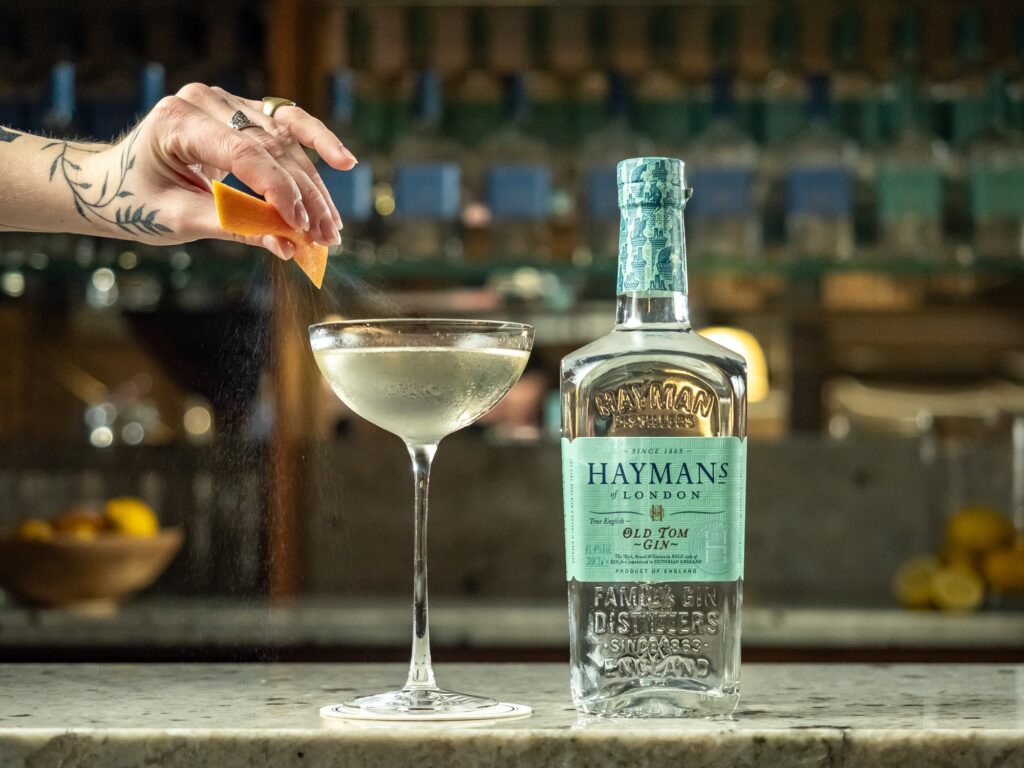
Before London Dry codified the style in the 19th century, most English gin was sweeter — a style now referred to as Old Tom. The name is believed to come from a wooden cat (a “Tom Cat”) mounted on the outside of London gin shops, through which patrons could slide coins and receive gin in return through a tube.
Old Tom sits between London Dry and Genever (the Dutch original) in sweetness and character. It has a richer mouthfeel, is lightly sweetened, and often has more pronounced herbal and malt notes. It’s also the original gin called for in the classic Tom Collins — the recipe specifically requires it.
5 Old Tom Gins Worth Drinking
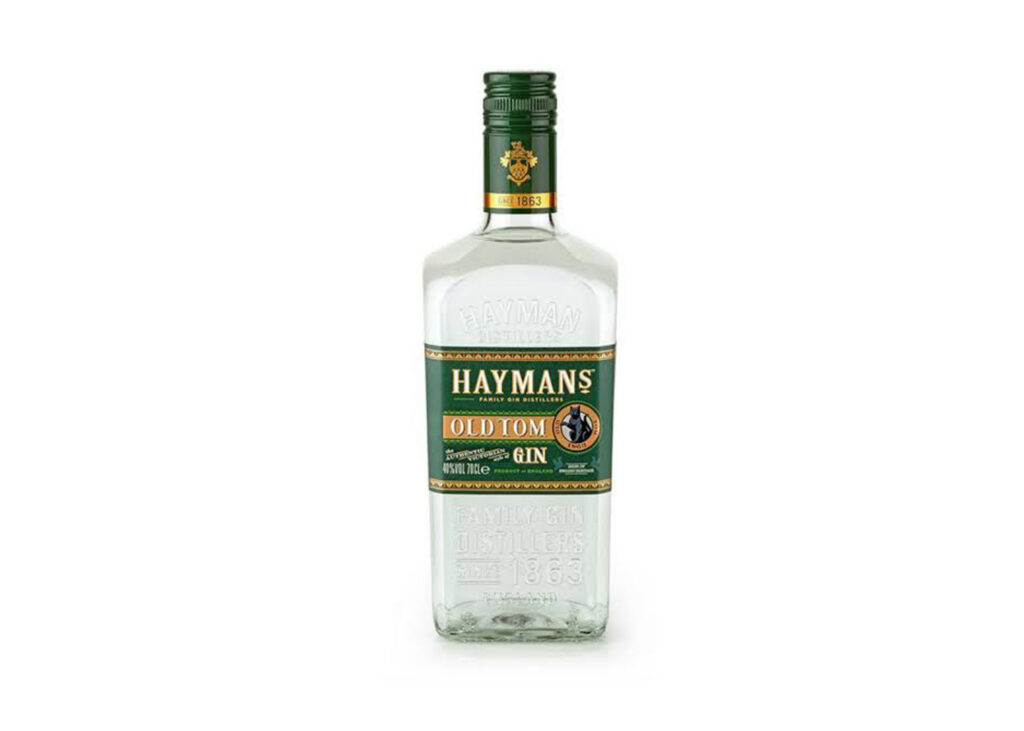
1. Hayman’s Old Tom Gin (England)
Hayman’s is the definitive modern Old Tom, made by one of England’s oldest gin families using a Victorian recipe recovered from their archives. It’s lightly sweetened with sugar syrup post-distillation, full-bodied, with notes of juniper, cinnamon, and liquorice. If you want to understand the Tom Collins as it was originally meant to taste, this is your bottle.
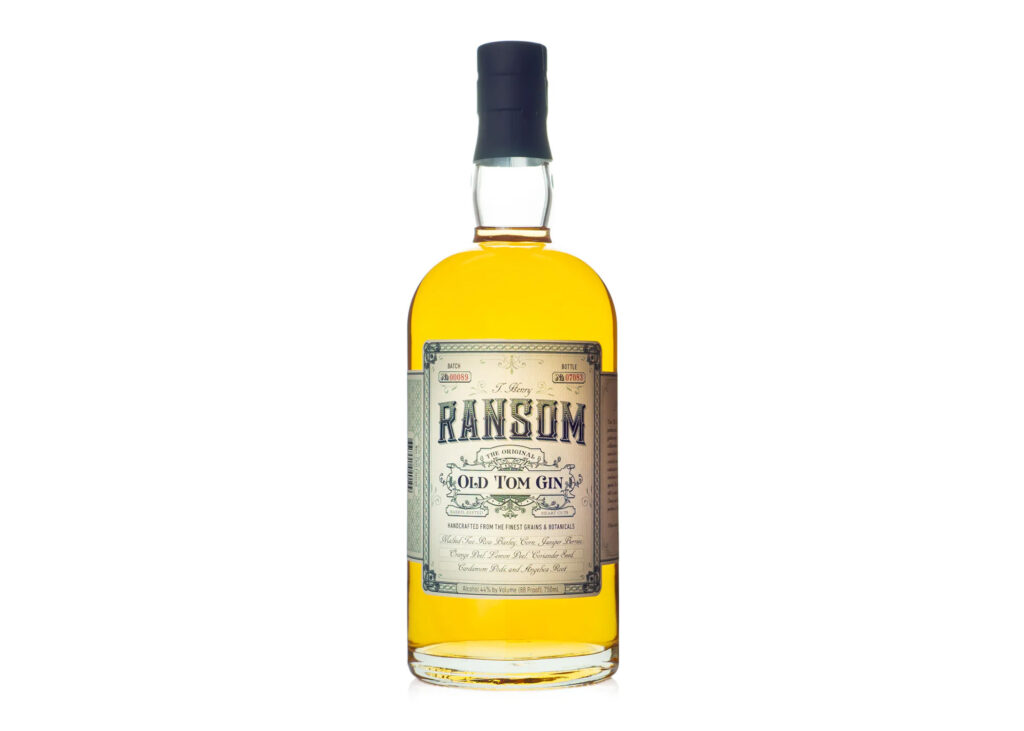
2. Ransom Old Tom Gin (USA)
An Oregon distillery‘s historically-minded take on the style, Ransom’s Old Tom is barrel-rested and made with malted barley, giving it a golden colour and a whisky-adjacent richness. This is Old Tom for people who appreciate aged spirits with vanilla and oak sit alongside juniper and meadowsweet in a gin that rewards slow sipping as much as it rewards cocktail-making.
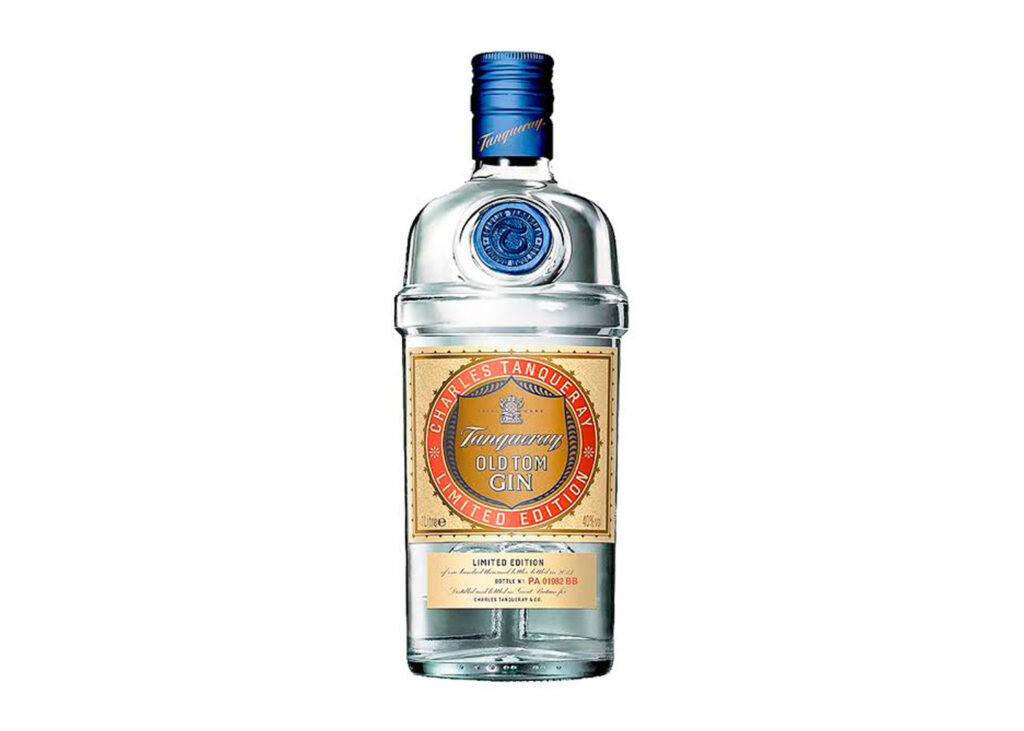
3. Tanqueray Old Tom (Scotland)
A limited release from Tanqueray’s vaults of historical recipes, this Old Tom is based on a 19th-century formula discovered in the company’s archives. Lightly sweetened, distinctly juniper-forward, but with the warmer, fuller character that defines the style. A rare chance to taste history from one of the great gin houses.
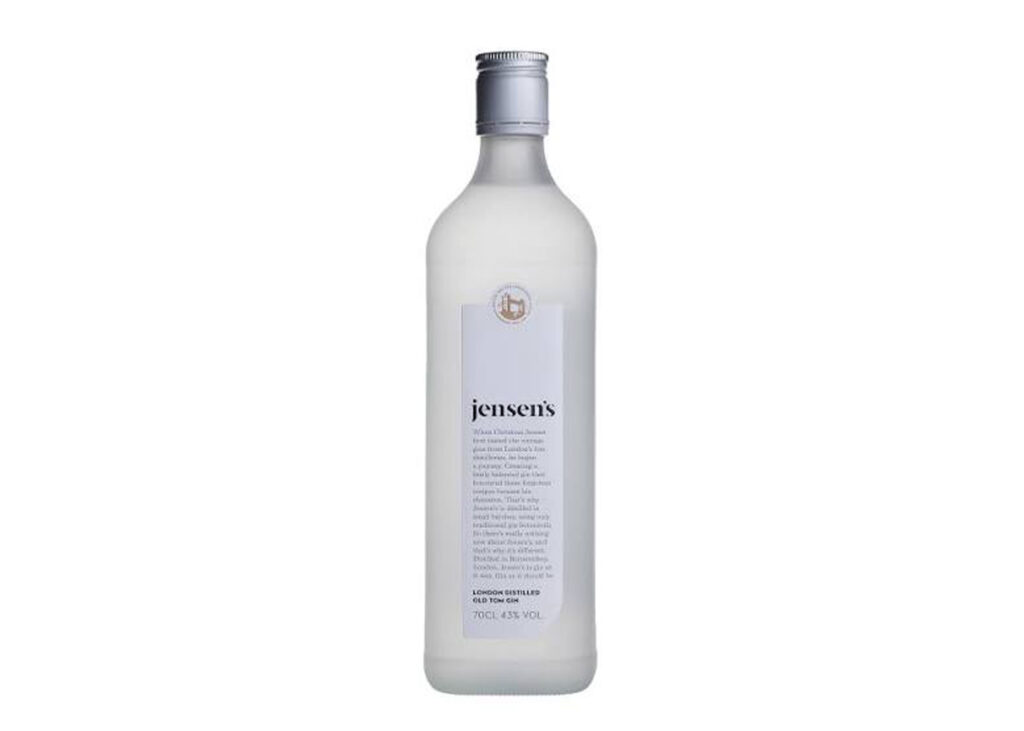
4. Jensen’s Old Tom Gin (England)
A faithful reproduction of an 1840s recipe, Jensen’s Old Tom is made without added sugar — instead, the sweetness comes from the botanicals themselves, particularly the liquorice. The result is a more subtle, drier Old Tom than most, with a lovely herbal complexity. Christian Jensen, the distillery’s founder, did serious archival research before making a single bottle.
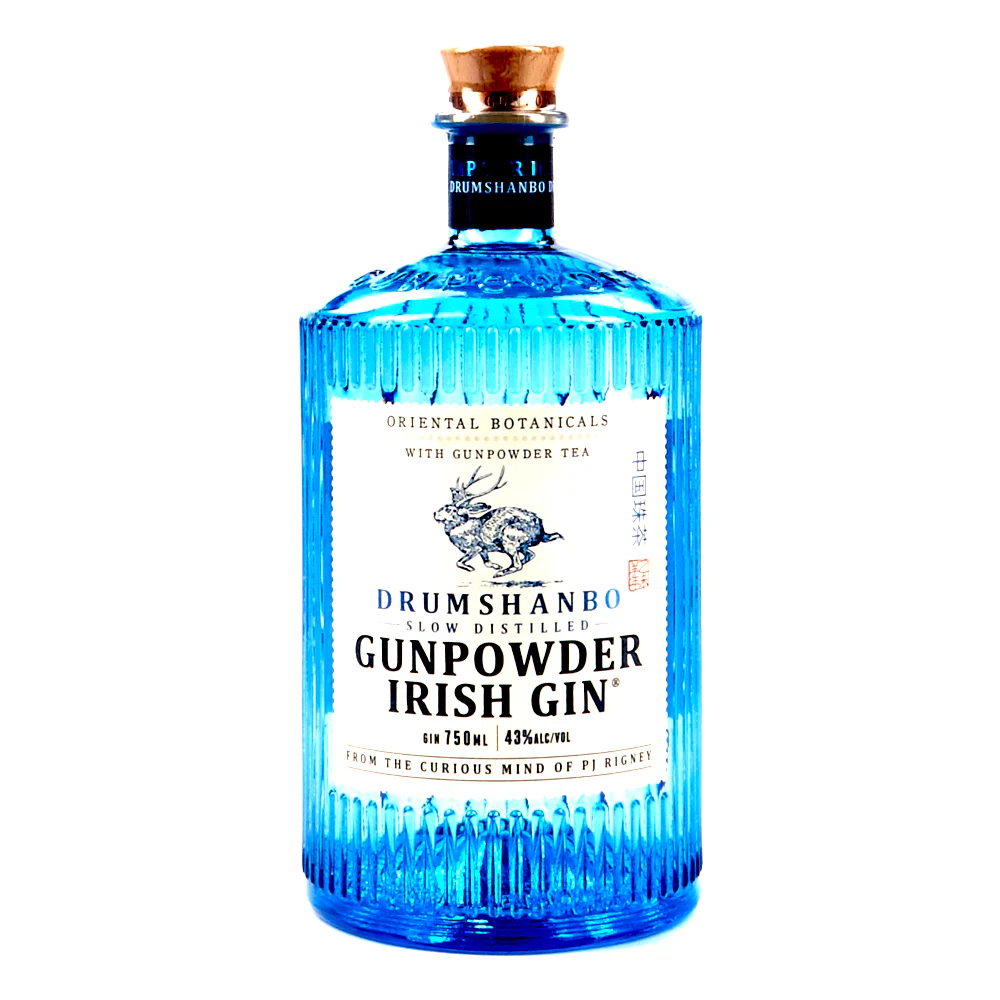
5. Drumshanbo Gunpowder Irish Gin Old Tom (Ireland)
The folks at the Shed Distillery in County Leitrim have put their own stamp on the Old Tom category with this limited expression of their beloved Gunpowder Irish Gin. The classic version — made with Chinese gunpowder tea and Asian botanicals including kaffir lime and cardamom — is given the Old Tom treatment with added sweetness and depth. The result is opulent and unexpected.
Navy Strength Gin — High Proof, High Impact
Navy Strength gin must be bottled at a minimum of 57% ABV — the proof at which gunpowder, if soaked with gin, would still ignite. The story goes that this test was used by the British Royal Navy to ensure their rations of gin had not been diluted. Whether historically accurate or not, the proof requirement is real, and the effect on the spirit is dramatic: at 57% and above, aromatics are more vivid, botanicals more intense, and the gin’s character in a cocktail more persistent.
This isn’t a style for the faint-hearted but in the right hands, Navy Strength produces some of the most thrilling gins available.
5 Navy Strength Gins Worth Drinking
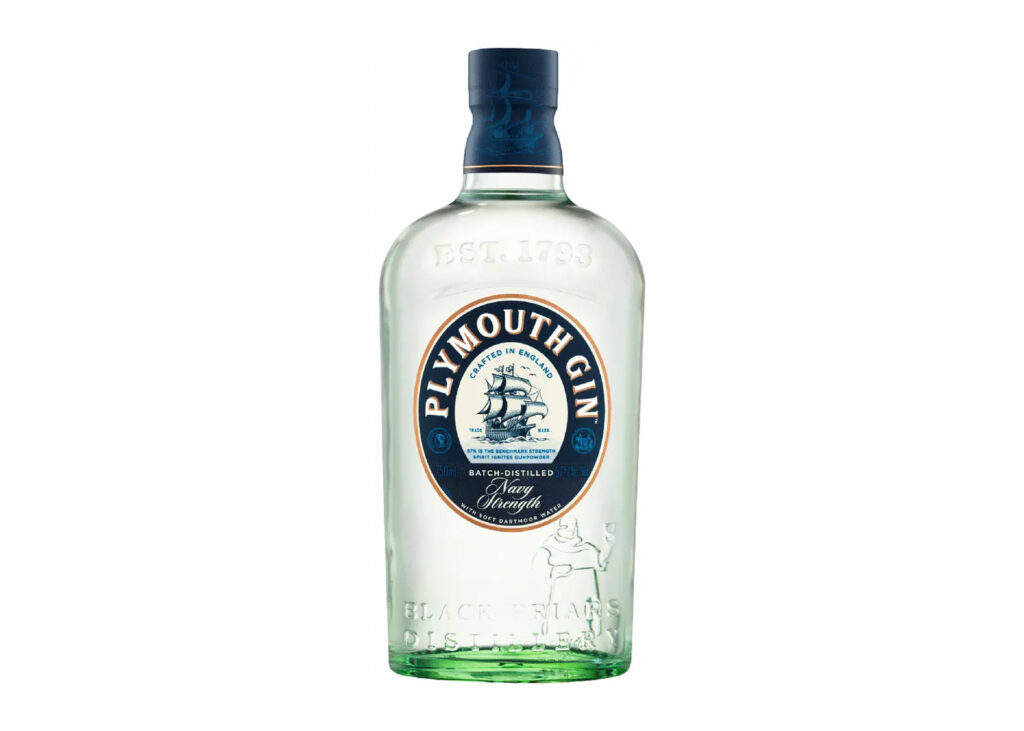
1. Plymouth Navy Strength (England)
Plymouth is one of gin’s most historically significant distilleries as it’s the only gin with a protected geographical status in England, and has been supplying the Royal Navy since 1793. The Navy Strength expression takes Plymouth’s signature earthy, root-forward character and amplifies it considerably. Bold, complex, and serious.
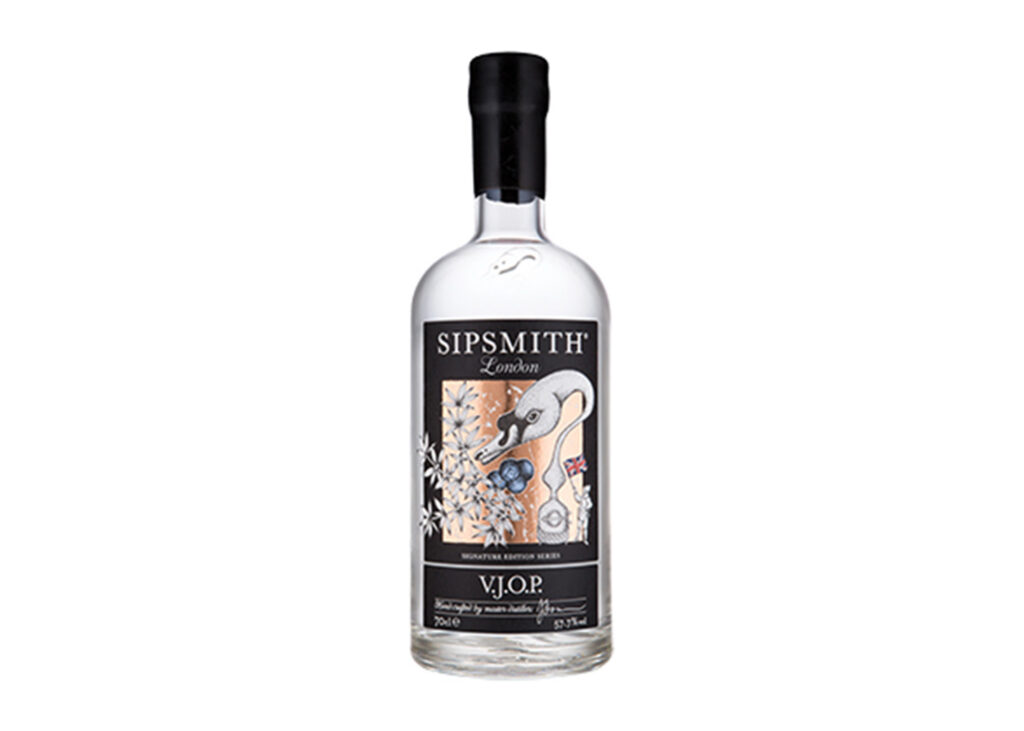
2. Sipsmith V.J.O.P. (England)
Very Junipery Over Proof is Sipsmith’s 57.7% expression and it does exactly what it says on the bottle. A London Dry turned up to 11, with juniper so forceful it’s almost savoury, backed by intense citrus and a long, warming finish. Extraordinary in a very dry, very cold martini.
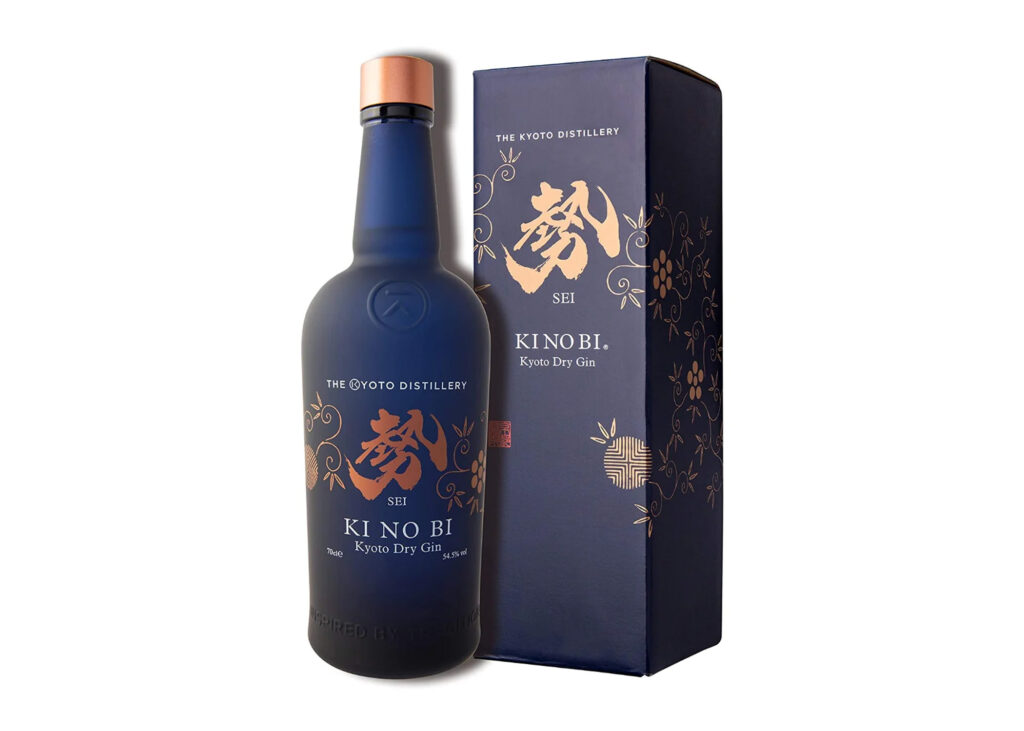
3. Ki No Bi Navy Strength (Japan)
The Kyoto Distillery’s Navy Strength expression of Ki No Bi turns the delicacy of the original into something altogether more powerful. The yuzu and Hinoki cypress notes that make the standard bottling so refined are here amplified and sharpened — it’s the same gin, but viewed through a magnifying glass. Remarkable in a G&T.
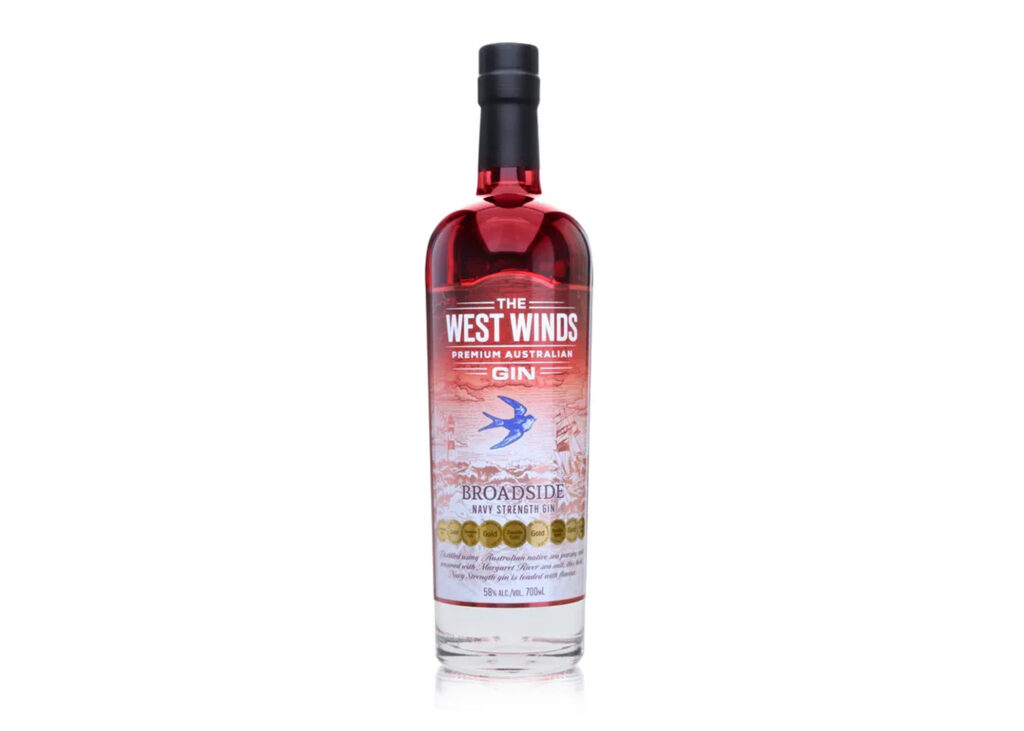
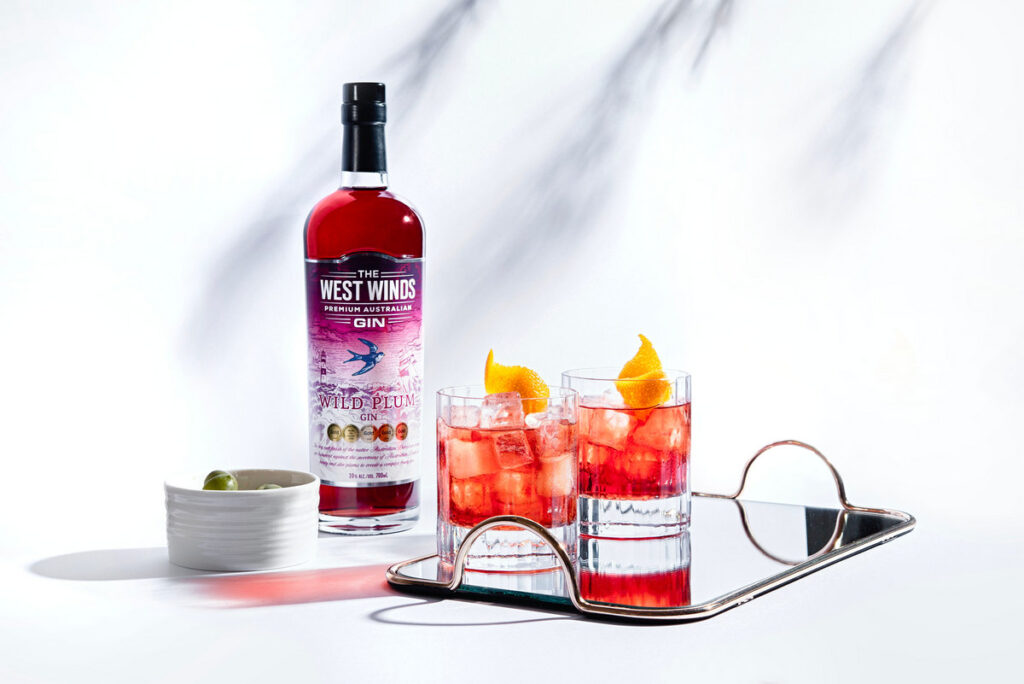
4. The Broadside (Australia)
The Broadside is West Winds Distillers‘ Navy Strength expression — an Australian gin that earns its stripes at 58% ABV and does something no gin has done before it: it incorporates filtered Margaret River seawater directly into the distillation. The result is the world’s first salty gin, one that’s bold and herbaceous, with classical juniper and citrus up front, but with a distinctly maritime edge that comes from sea parsley and that coastal brine. It’s brash in the best possible way: big-bodied, smooth for its proof, and uniquely Australian in character.
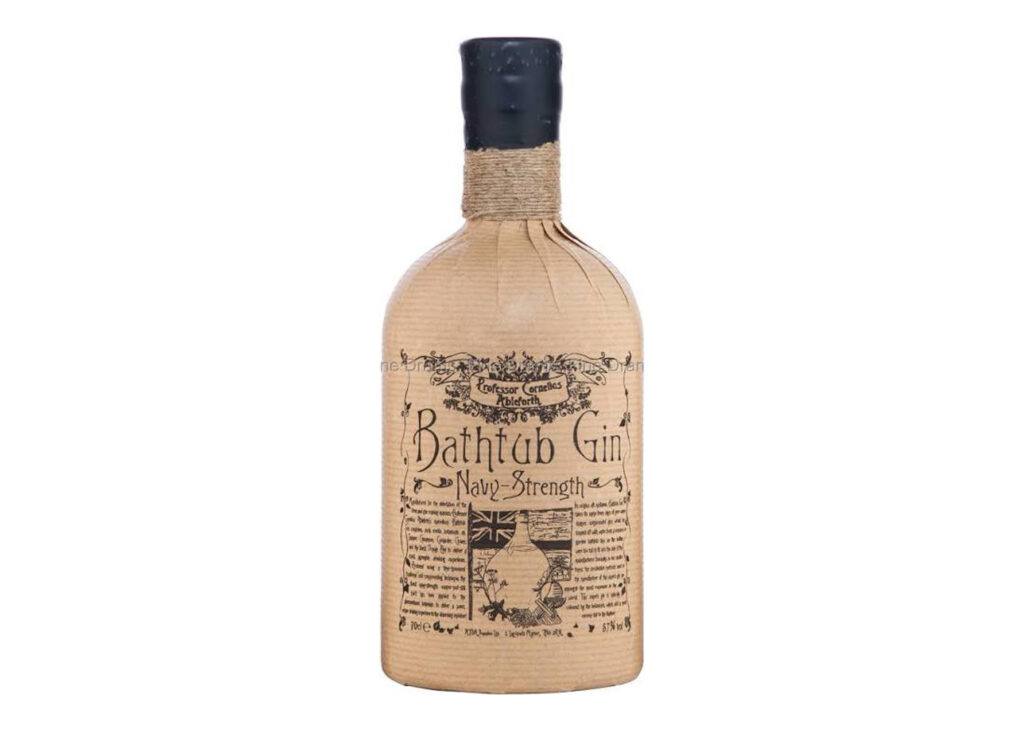
5. Bathtub Gin Navy Strength (England)
From Professor Cornelius Ampleforth’s irreverent range, this cold-compounded Navy Strength packs a serious punch — botanicals are macerated in spirit rather than distilled, producing a rougher, more rustic character that works brilliantly in tropical-style cocktails. The name is tongue-in-cheek; the quality is not.
Asian Craft Gin — The Next Frontier
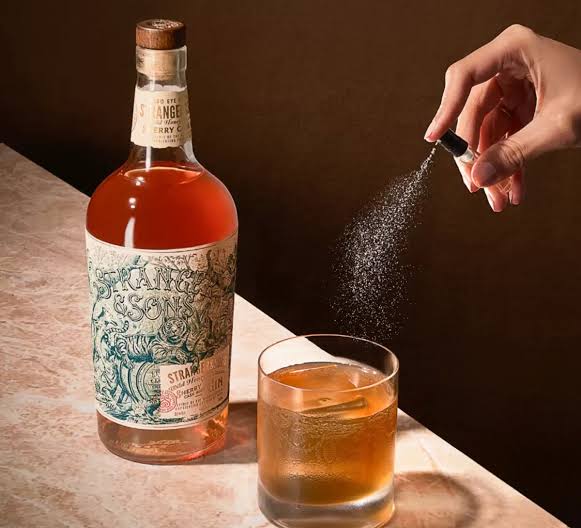
While Japan was the first Asian country to attract serious international attention for its gin, the past decade has seen a remarkable proliferation of craft distilleries across the continent, from India to South Korea, Singapore to Taiwan. Asian craft gin is united not by a single style but by a shared instinct: to distil something distinctly local, using botanicals, water, and techniques that could not exist anywhere else.
5 Asian Craft Gins Worth Drinking
1. Stranger & Sons (India)
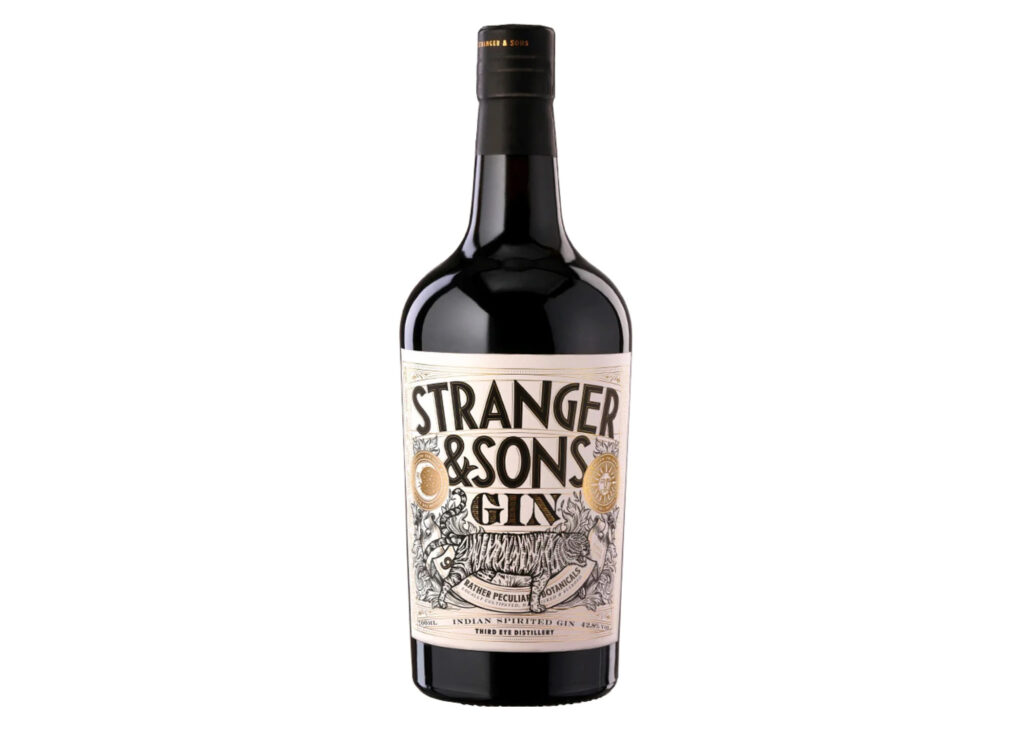
Made at Third Eye Distillery in Goa, Stranger & Sons is India’s most internationally celebrated gin. Built on a base of Indian grain spirit and distilled with nine botanicals — including gondhoraj lime, black pepper, and coriander from Rajasthan — it’s a gin that smells unmistakably of the Subcontinent: warm, citrus-forward, slightly spiced, with a freshness that makes it dangerously drinkable in a long G&T. The bottle design alone is worth the shelf space.
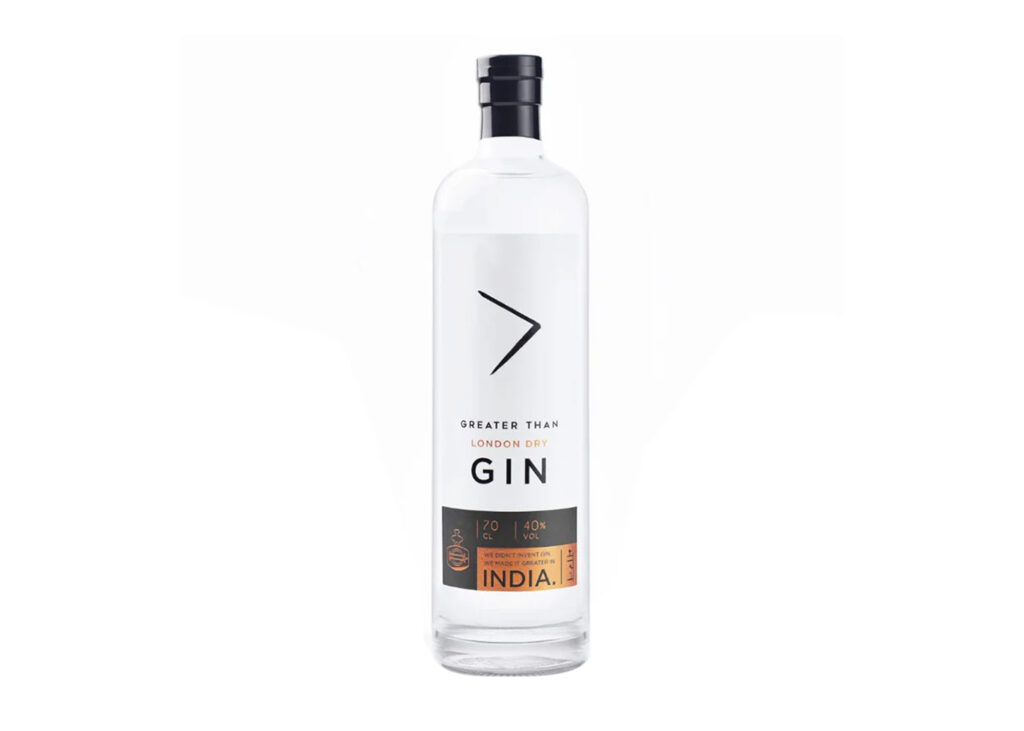
2. Greater Than London Dry Gin (India)
Produced by Nao Spirits in New Delhi, Greater Than is a London Dry built with Indian sensibility: juniper-led and classic in structure, but with Indian coriander, fresh citrus peel, and a local grain base that gives it a warmer, slightly earthier character than its British counterparts. It’s become the gin of choice for India’s burgeoning cocktail bar scene, and it performs brilliantly in a Negroni.
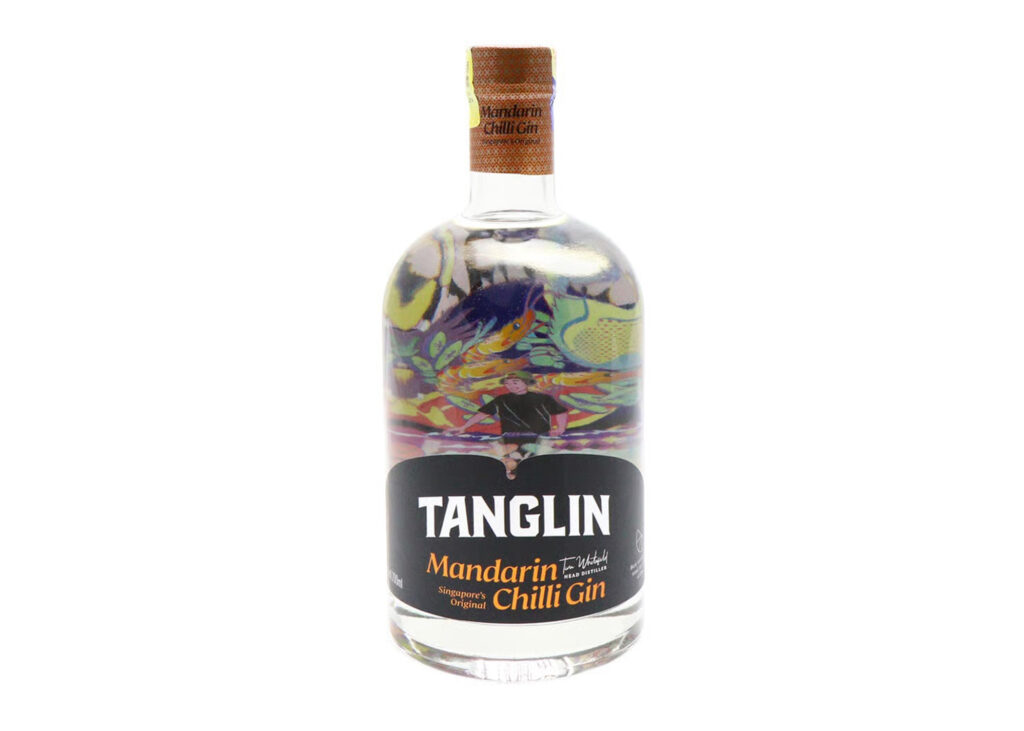
3. Tanglin Mandarin & Spice (Singapore)
A step up in complexity from Tanglin’s core Orchid expression, the Mandarin & Spice expression leans into Southeast Asian aromatics — mandarin peel, clove, and black pepper — creating a gin with real structural depth. It works brilliantly in a Negroni, where its spice cuts beautifully against sweet vermouth.
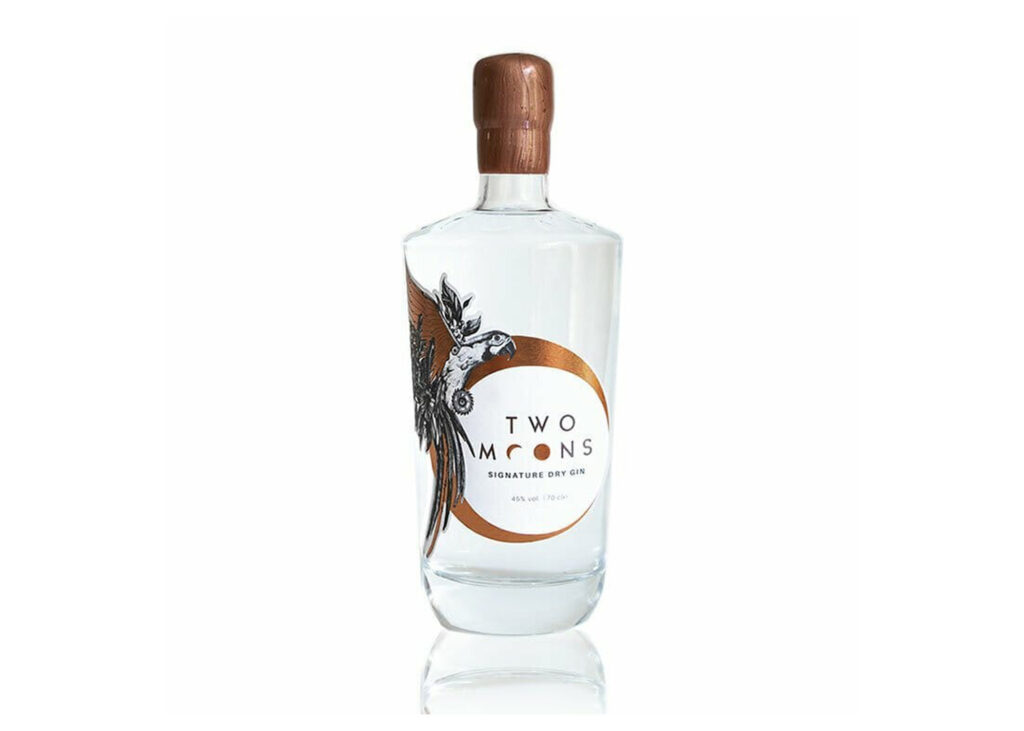
4. Two Moons Gin (Hong Kong)
Founded by Dimple Yuen and Ivan Chang — the first Hongkongers in decades to secure a local liquor manufacturing licence — Two Moons is Hong Kong’s pioneering craft gin distillery, and its Signature Dry Gin is the bottle that put it on the map. Built on 12 botanicals, six of them Asian, the recipe is guided by the Cantonese principle of sweet, sour, bitter, and spice. Chinese tangerine peel (kum pei) and Chinese almonds lead the palate; juniper, coriander, cardamom, and Chinese liquorice root (kum cho) bring structure. They also have some innovative flavoured releases.
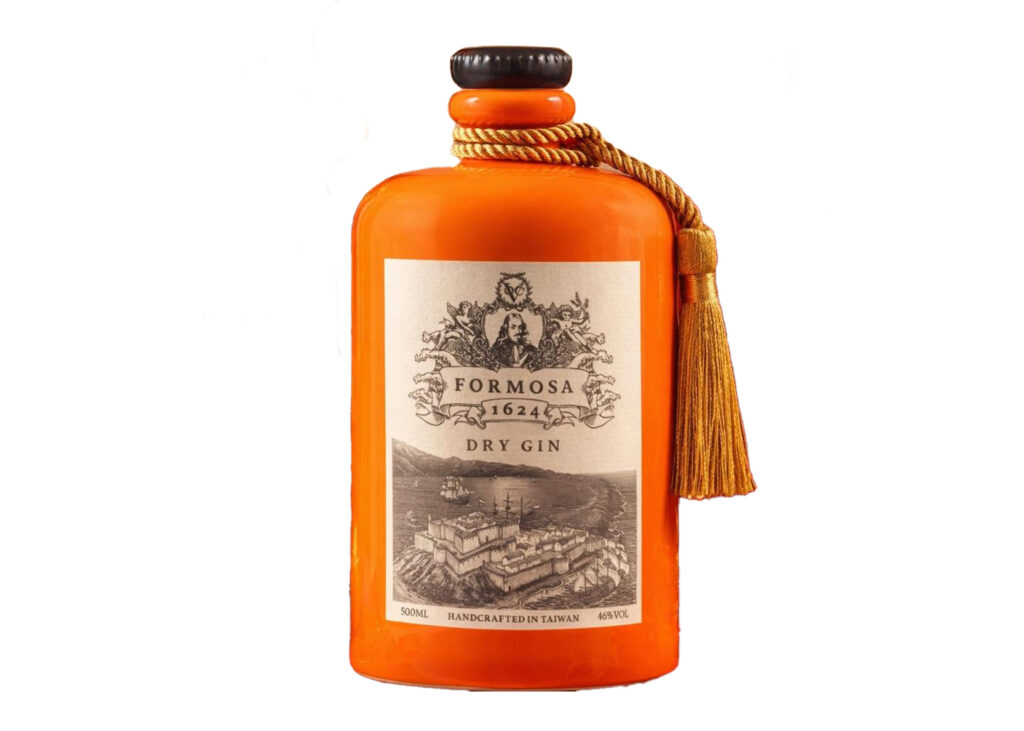
5. Formosa 1624 (Taiwan)
The name tells the whole story. In 1624, Dutch East India Company ships dropped anchor off the coast of Formosa — today’s Taiwan — bringing with them the spice routes of the known world. Formosa 1624 gin honours that collision of cultures directly: juniper, cardamom, clove, nutmeg, and peppercorn (the VOC’s traded commodities) meet Taiwanese oolong tea, local citrus, pineapple, native herbs, kelp, and a pinch of sea salt from the island’s coast. The result is bold, layered, and genuinely original, and a gin with a foot in Amsterdam and its soul firmly in Taiwan. A proud supplier to Evergreen Hotels.
Gin Q&A — Your Most Googled Questions, Answered
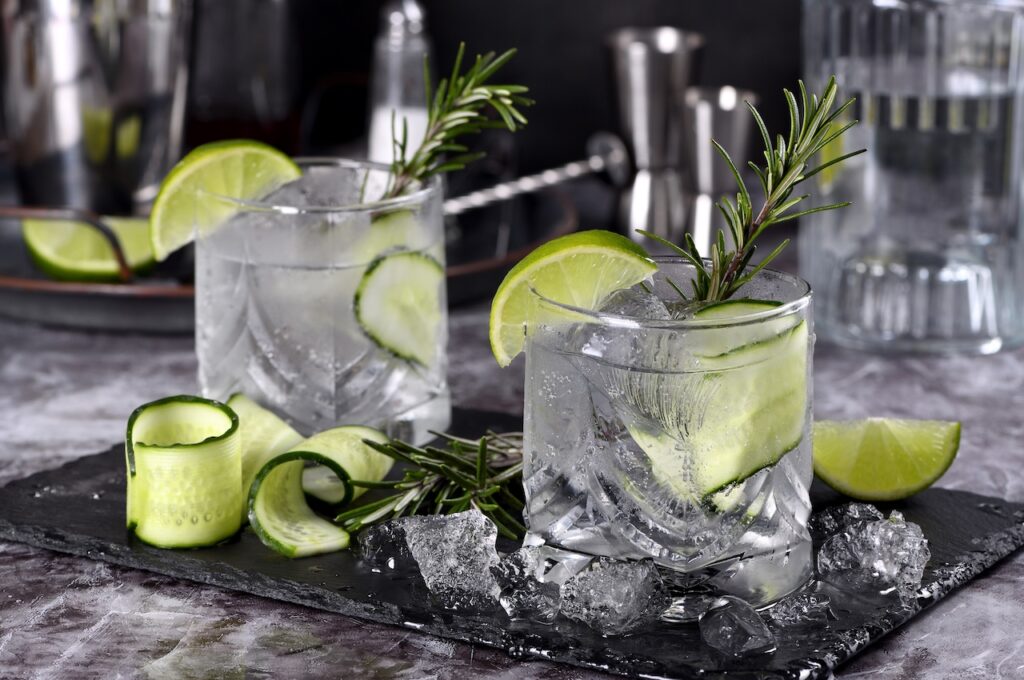
There’s no doubt that gin isn’t for everyone, but with the variety and innovation in play, it’s well worth trying. Here’s what you’ll need to know if you’re looking at gin as your next go-to tipple.
What is the best gin for a gin and tonic?
For a classic, reliably delicious G&T, Tanqueray London Dry or Hendrick’s remain the benchmarks as both are widely available, priced reasonably, and designed to shine in a long drink. If you want something more adventurous, Roku Gin with Fever-Tree Japanese Tonic and a slice of grapefruit is one of the best G&Ts you can make at home.
What is the difference between gin and vodka?
Gin and vodka both start from a neutral grain spirit, but gin is redistilled with botanicals — juniper being the non-negotiable one — that give it flavour, aroma, and complexity. Vodka, by contrast, is defined by the absence of character: it should be as flavourless and odourless as possible. Think of gin as vodka with a personality.
What tonic water is best for gin?
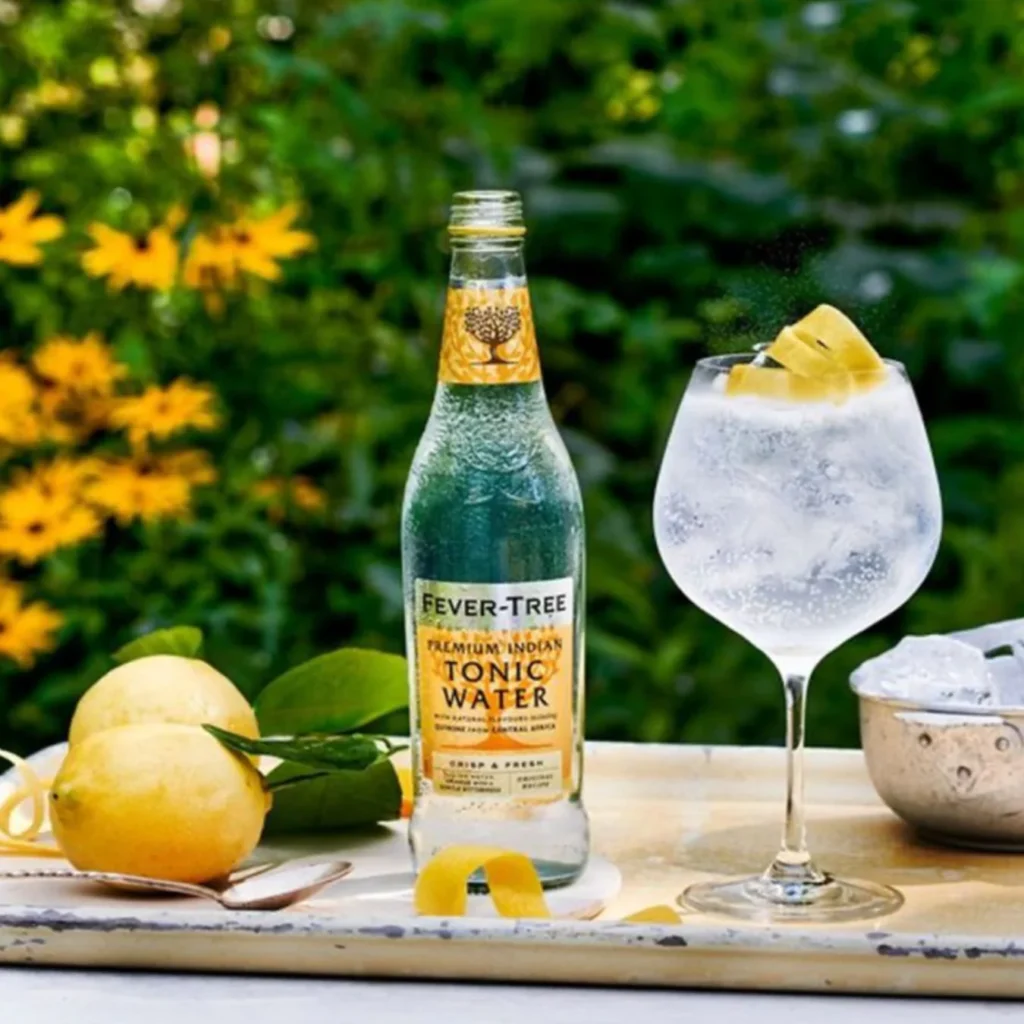
Premium tonic makes a significant difference. Fever-Tree Indian Tonic is the go-to for most gins — its balanced bitterness from quinine and clean flavour won’t overwhelm delicate botanicals. For Japanese and Asian gins like Roku or Ki No Bi, Fever-Tree’s Japanese Tonic (with yuzu and white tea) is worth seeking out. Schweppes remains the workhorse and performs well with bolder London Drys.
What’s the difference between gin and sloe gin?
Sloe gin is technically a liqueur, not a gin as it’s made by steeping sloe berries (the fruit of the blackthorn bush) in gin and sugar. It’s lower ABV than standard gin, noticeably sweet and red in colour, and has a plummy, tart flavour. Plymouth Sloe Gin is the classic; it’s more of a cocktail ingredient or digestif than a direct gin substitute.
What are the best gin cocktails?
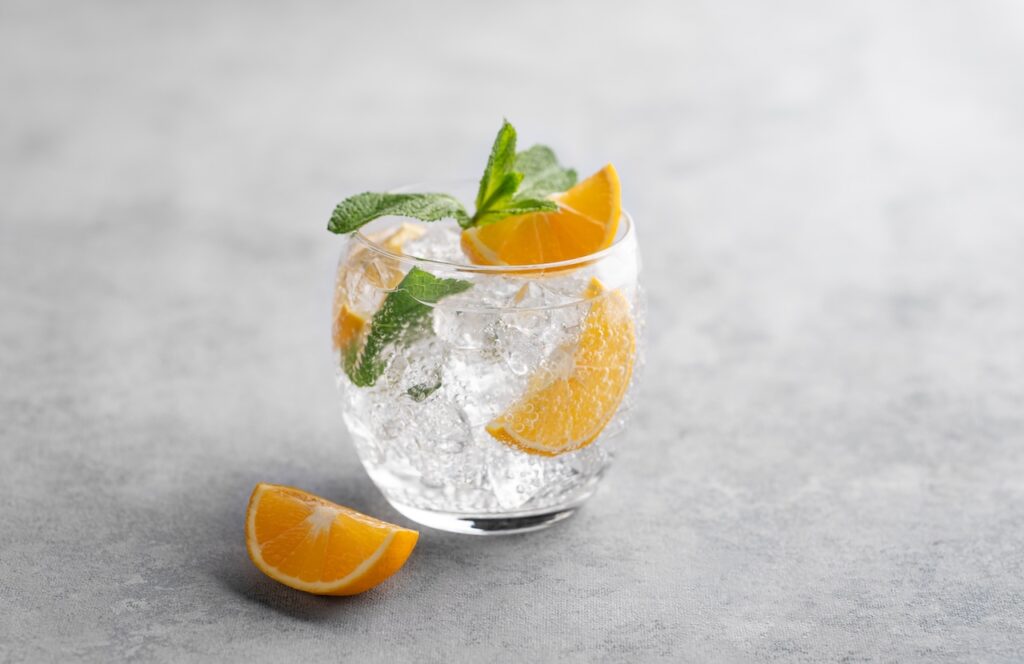
The five gin cocktails every man should know how to make: the Gin & Tonic (gin, quality tonic, ice, garnish); the Martini (gin, dry vermouth, stirred, garnished with olive or lemon); the Negroni (equal parts gin, Campari, and sweet vermouth); the Tom Collins (gin, lemon juice, sugar syrup, soda water); and the Gimlet (gin and lime cordial, or fresh lime and sugar syrup). Master these five, and you can navigate any bar in the world.
Should gin be refrigerated?
Gin doesn’t need refrigeration to stay fresh as it’s a high-proof spirit and won’t spoil. However, keeping your gin in the freezer produces a viscous, slightly silky texture that makes for a particularly luxurious martini. For everyday G&Ts and cocktails, room temperature or chilled is fine.
How many calories are in gin?
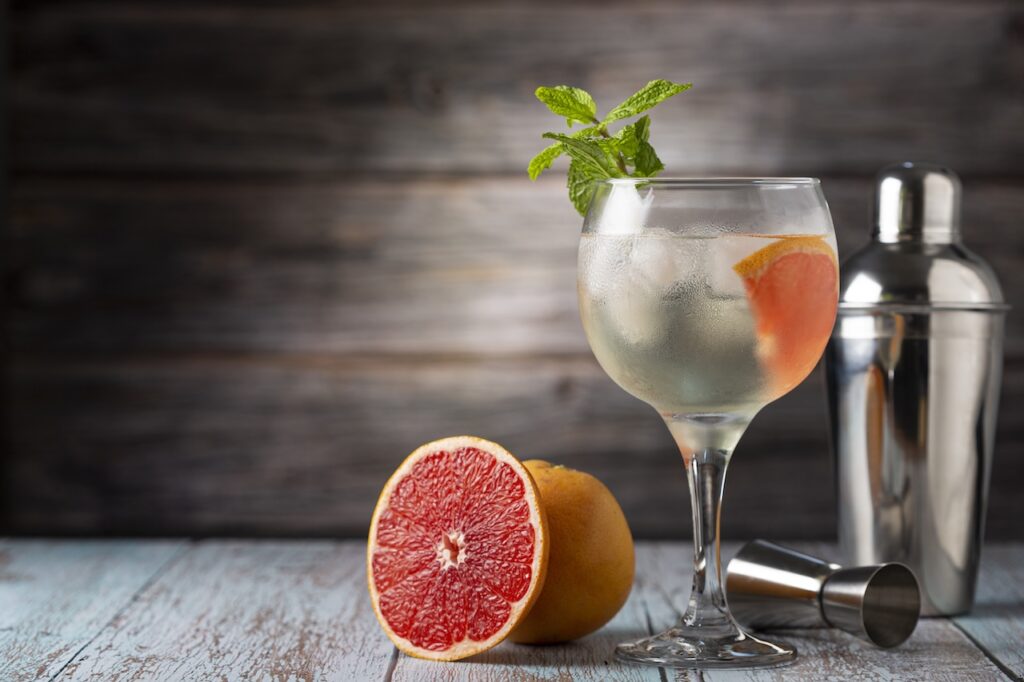
A standard 25ml measure of gin at 40% ABV contains approximately 54–60 calories. The mixers are where the calories accumulate — regular tonic water adds around 80 calories per 200ml; slimline tonic adds around 6 calories per 200ml. A gin and slimline tonic is one of the lower-calorie options in the cocktail repertoire.
What is Japanese gin, and why is it different?
Japanese gin applies the precision and craftsmanship of Japanese distilling traditions to the gin category, typically using locally grown botanicals — yuzu, sakura, sencha tea, sansho pepper, Hinoki cypress — and often a rice-based neutral spirit rather than grain. The results tend to be more delicate and refined than Western gins, with a quieter juniper presence and greater aromatic complexity. They’re particularly well-suited to drinking neat, lightly chilled, or in a Japanese-style Gin & Tonic with high-quality tonic and a considered garnish.
Final Word
Gin is more diverse than it has ever been, and more international. The distillers working across Asia right now are producing gins that challenge, surprise, and often surpass their European counterparts. Whether you start with a Tanqueray and tonic or go straight to a Ki No Bi highball, the best direction in gin is always forward: more curious, more specific, more willing to be surprised by what a handful of botanicals and a talented distiller can produce.
The bottle you reach for next says something about who you are. Choose wisely.