

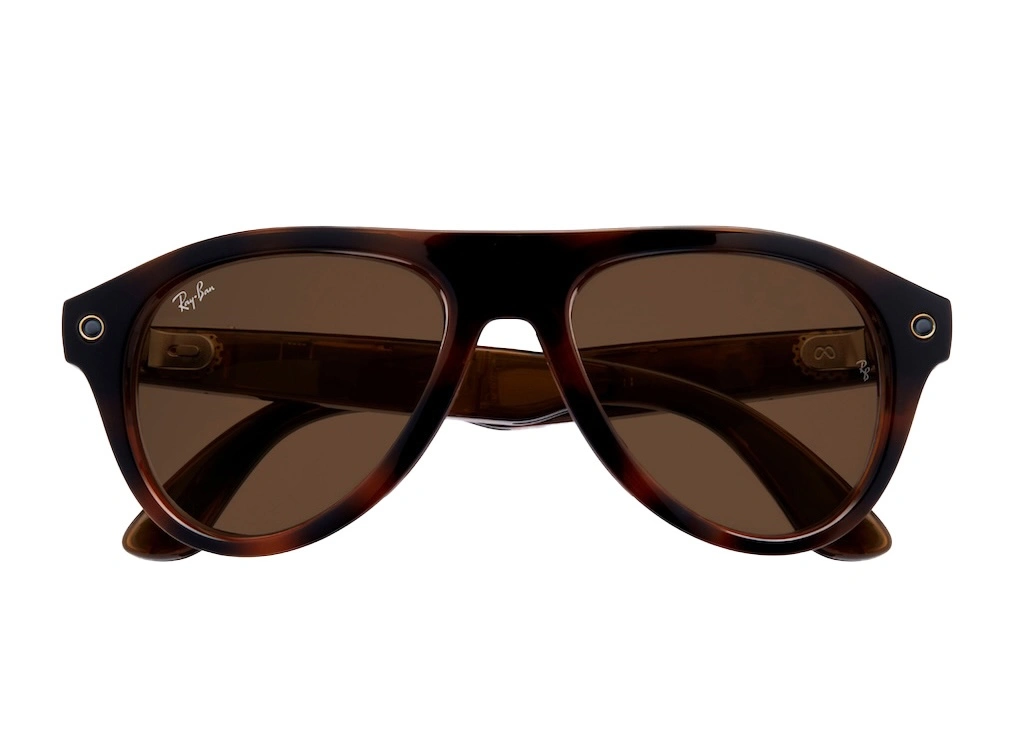
Ray-Ban and Meta launch the third generation of their AI glasses, adding the Aviator to the lineup for the first time alongside the Wayfarer and a new cat-eye frame, the Zena.
Few pieces of tech are as usual — or as controversial — as Ray-Ban and Meta’s camera-equipped smart glasses. Meta’s Ray-Ban glasses spent 2026 fighting an unflattering nickname: “pervert glasses”. Investigations by the BBC and Wired exposed men covertly filming women for social media, while Swedish reporters revealed contractors reviewing intimate footage. Venue bans, lawsuits, and a Texas investigation followed, forcing Meta to adopt tamper-proof recording lights and crack down on Instagram.
Tech for Today
The Gen 3 version is slimmer than before, and the upgrades are about refinement rather than reinvention. Battery life now runs up to nine hours, while a new six-microphone array promises clearer calls and voice commands in noisy places. There’s also an assignable action button that can open Meta AI (or your favourite feature), plus flexible temple tips for a better fit – handy for those POV aficionados. The 3K Ultra HD camera carries over from the previous generation.
Meta AI does what it did before, only with less friction: ask about what you’re looking at, translate a conversation in real time, reply to messages and capture point-of-view video, all without reaching for your phone.
The More Interesting Launch
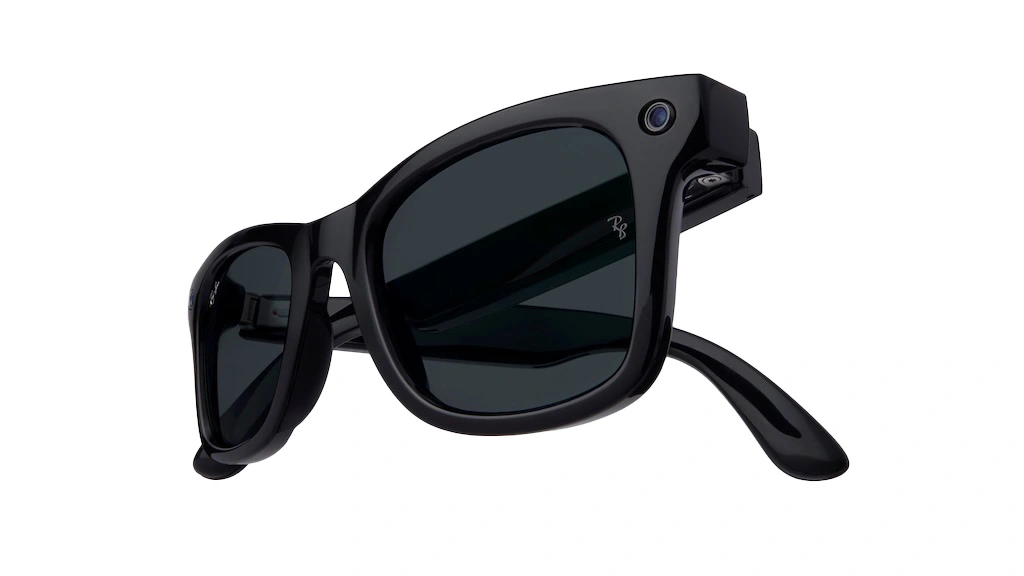
Our take: the headline act isn’t the Gen 3 but Ray-Ban Meta Audio. At 43 grams, it’s the lightest frame Ray-Ban Meta has made, with up to 12 hours of battery, open-ear audio and Meta AI, and yes, there’s no camera so you can’t be accused of anything but listening.
That matters. The camera has always been both the selling point and the sticking point for smart glasses. A lens on your face changes how people react to you in a meeting, a bar or a gym changing room. By removing it, Ray-Ban gives the hesitant buyer a way in, and builds the product around what Meta says owners actually use most: listening. Think of it as AirPods you never have to take out, in a frame you’d wear anyway.
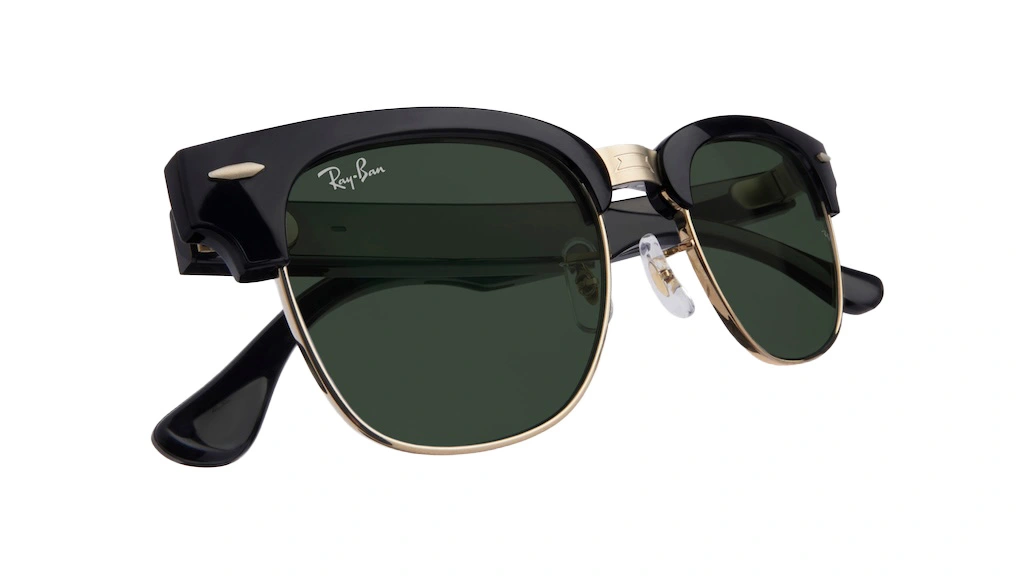
The frame choices are telling too. Clubmaster is the browline that defined 1950s and ’60s style, and Burbank is a square acetate pulled from Ray-Ban’s archive in 2021. Neither looks like tech, which is the point.
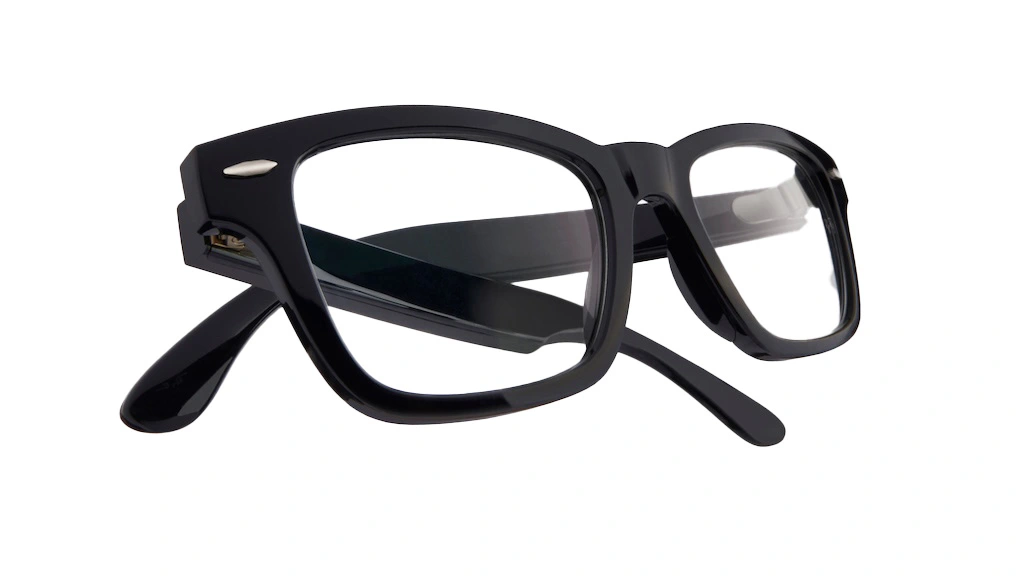
Prescription wearers are covered too. Blayzer Optics and Scriber Optics (both Gen 2) return in new colours including Transparent Shiny Dark Olive and Shiny Brick Brown, with Transitions lenses available.
Price and Availability
The Ray-Ban Meta Gen 3 starts at US$449, a US$70 premium over the Gen 2 while the Ray-Ban Meta Audio is pegged at roughly US$100 less.
Worth watching: much of the new software is also coming to Gen 2 glasses. If you already own a pair, the reason to upgrade is mostly the Aviator. If you’ve been holding out over the camera, the Audio is the one to wait for.