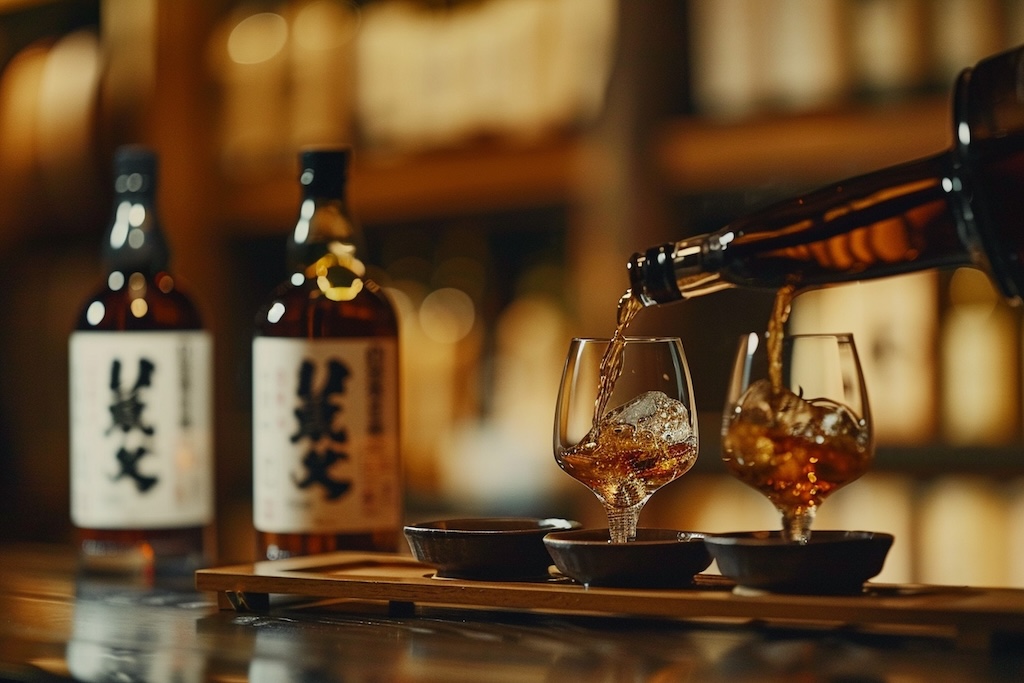

By the time the rest of the world caught on, Japan had already been perfecting whisky for a century.
Japanese whisky is no longer a well-kept secret. Once the preserve of Tokyo salarymen and obsessive collectors, it has spent the last two decades conquering global awards, emptying auction floors, and earning permanent residency on the back bars of the world’s best cocktail establishments. For the modern man with taste — and patience — there is no more rewarding spirit category to explore. But to appreciate where Japanese whisky is going, you need to understand where it came from.
The Origins: One Man, One Vision
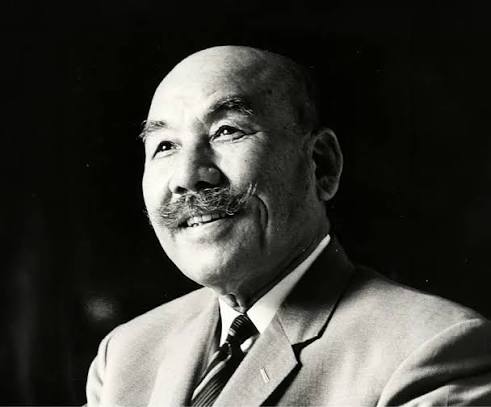
The story of Japanese whisky begins in Scotland. In 1918, a young chemist named Masataka Taketsuru travelled to Glasgow to study organic chemistry, eventually apprenticing at several Scottish distilleries and marrying a local woman named Jessie Roberta Cowan (history would remember her simply as Rita). He returned to Japan in 1920 carrying notebooks full of distilling knowledge and a conviction that his country could produce world-class single malt.
He was hired by Shinjiro Torii, a pharmaceutical merchant who had already made his fortune selling imported wines and liqueurs. Together, they established Japan’s first malt whisky distillery in Yamazaki, in a misty valley outside Kyoto, in 1923. The collaboration was brilliant but uneasy. Torii wanted a whisky shaped for Japanese palates — subtler, lighter, more approachable. Taketsuru wanted to replicate the robust, peaty character of Scotch.
They parted ways in 1934, when Taketsuru headed north to Hokkaido and founded his own distillery in the town of Yoichi — a location he chose deliberately for its cool, damp climate, so reminiscent of the Scottish Highlands.
Two men. Two distilleries. The entire architecture of Japanese whisky was set.
The Quiet Decades and the Global Explosion
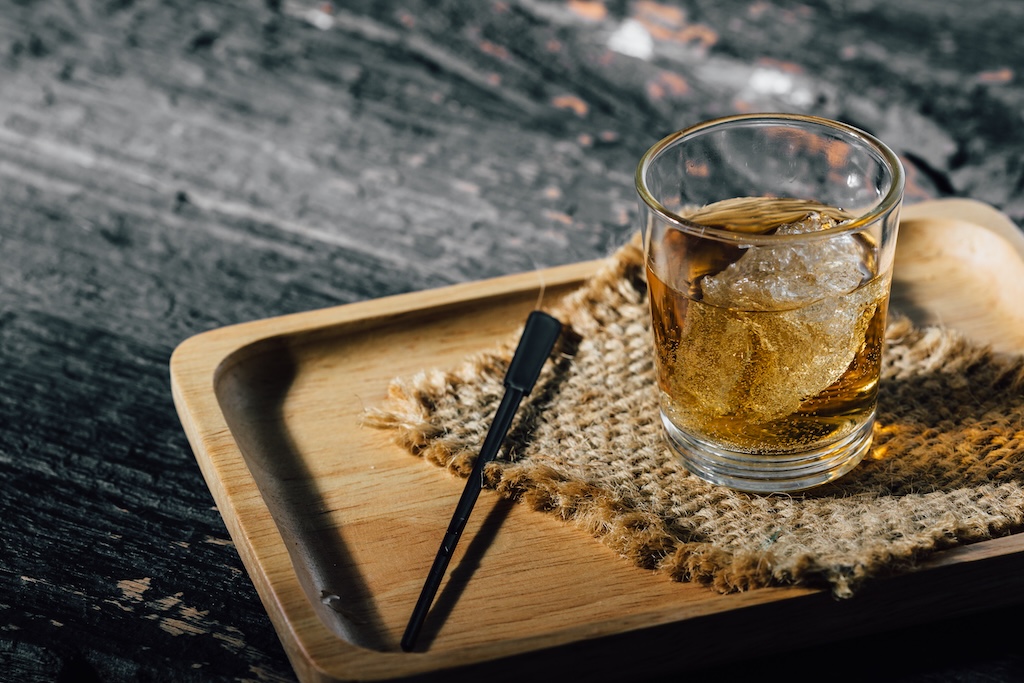
For most of the 20th century, Japanese whisky remained a domestic affair. The big two — Suntory (Torii’s company) and Nikka (Taketsuru’s) — dominated the market, selling blends to a population that drank whisky with water and soda as a nightly ritual called mizuwari. Quality was high, but ambition was largely inward-facing.
Then, in 2001, Nikka’s Yoichi 10 Year Old won the title of Best Single Malt in the World at Whisky Magazine‘s awards. The industry sat up. When Jim Murray awarded Suntory’s Yamazaki Single Malt Sherry Cask 2013 his coveted “World Whisky of the Year” title in 2015, the floodgates opened entirely. Bottles that had sat unbought on Tokyo convenience store shelves were suddenly being shipped abroad in bulk. Prices rocketed. Allocations dried up. Japanese whisky had a global moment — and the moment never really ended.
Today, the category is defined by a tension between scarcity and expansion. Legacy expressions remain difficult to source, but a wave of new craft distilleries — over 30 have opened since 2015 — is diversifying the landscape with regional character, experimental casks, and a new generation of distillers unafraid to go their own way.
What Makes Japanese Whisky Distinct?
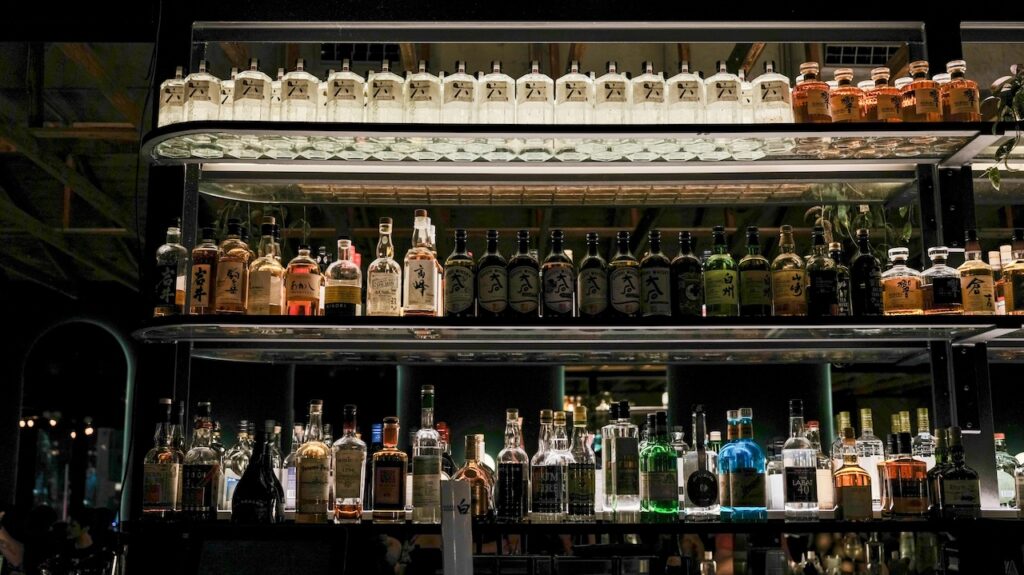
Japanese whisky draws its DNA from Scotch — pot stills, malted barley, oak maturation — but it has evolved into something entirely its own. The philosophy of monozukuri (the art of making things) permeates the distilling culture: an obsession with precision, consistency, and refinement at every stage.
Japanese distillers are uniquely self-sufficient. Because the country lacks the centuries-old tradition of distillery trading that exists in Scotland, companies like Suntory built multiple distilleries producing highly varied spirit styles — different still shapes, different yeast strains, different peat levels — so that blenders could work entirely within their own inventory. The result is blends of extraordinary complexity, built with the same exacting attention a chef might apply to a tasting menu.
Climate plays a role, too. Japan’s dramatic seasonal temperature swings accelerate the interaction between spirit and oak, producing whiskies that mature faster and develop rich, layered flavours — stone fruit, sandalwood, incense, green apple — that feel unmistakably Japanese even when the technical method is Scottish.
5 Japanese Whisky Brands Every Modern Man Should Know
Suntory Yamazaki
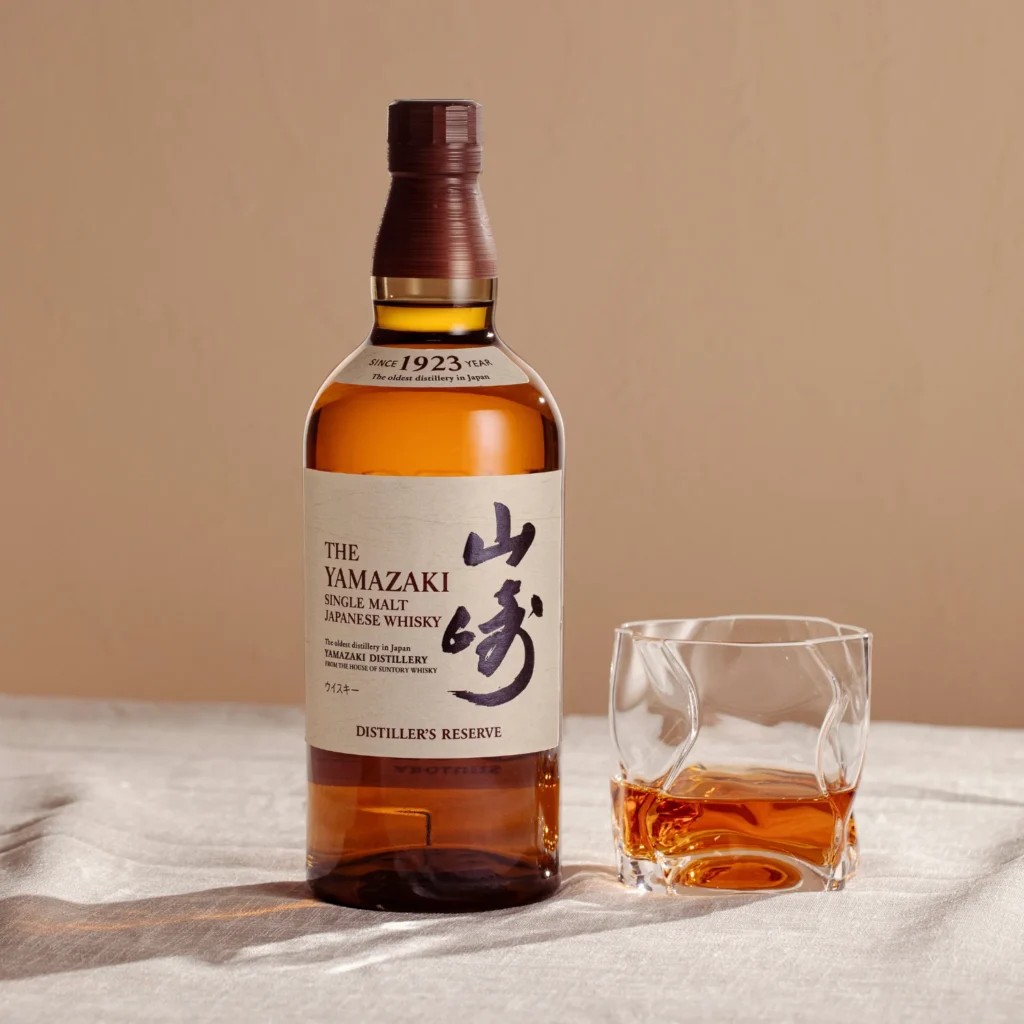
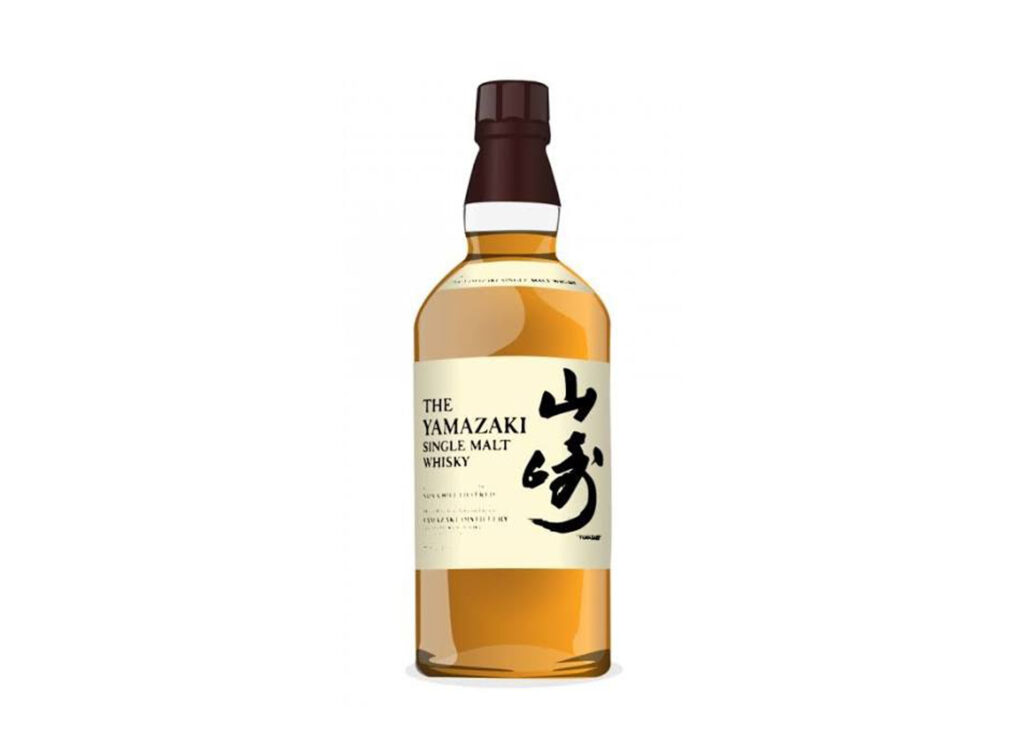
The original. The distillery that started it all in 1923 remains the benchmark for Japanese single malt. The 12 Year Old is the entry point — elegant, fruity, and faultlessly made — while the 18 Year Old, with its deep sherry influence and silky finish, is one of the finest whiskies produced anywhere in the world. Bottle it, savour it, and understand that what you’re drinking is living history.
Nikka Yoichi
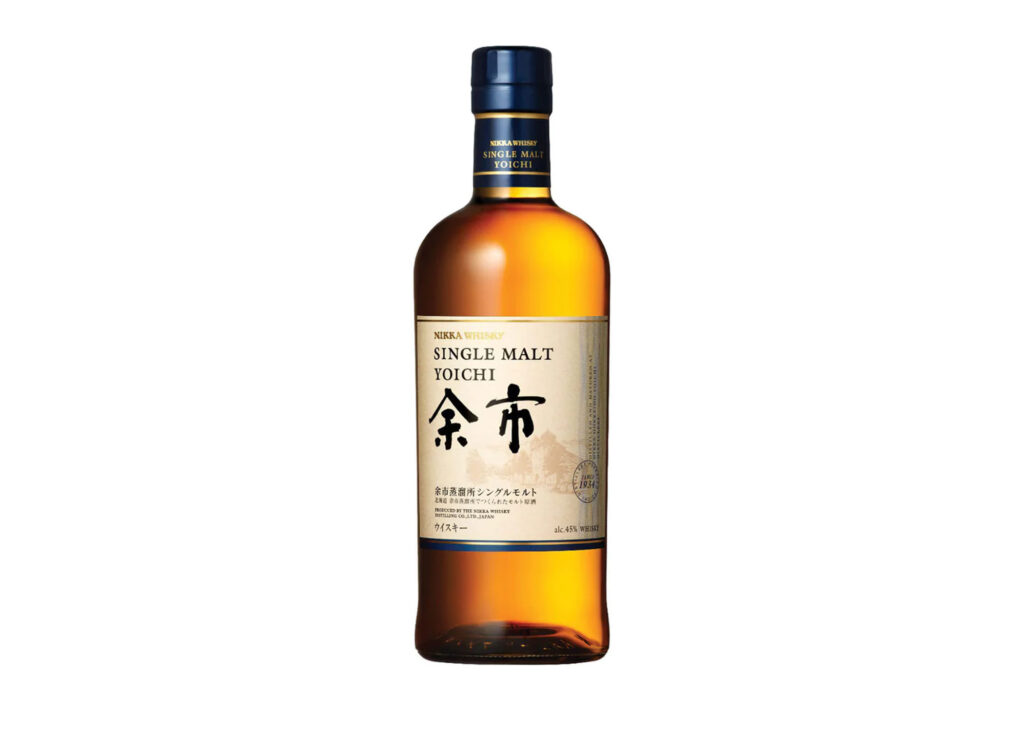
Where Yamazaki is refined, Yoichi is rugged. Built on Hokkaido’s windswept northern coast, this is the distillery that proved Japanese whisky could have real muscle. Coal-fired pot stills produce a rich, peaty, coastal character that wouldn’t be out of place alongside the great Islay malts. The No Age Statement single malt is currently your best access point, and it is exceptional.
Nikka Taketsuru Pure Malt
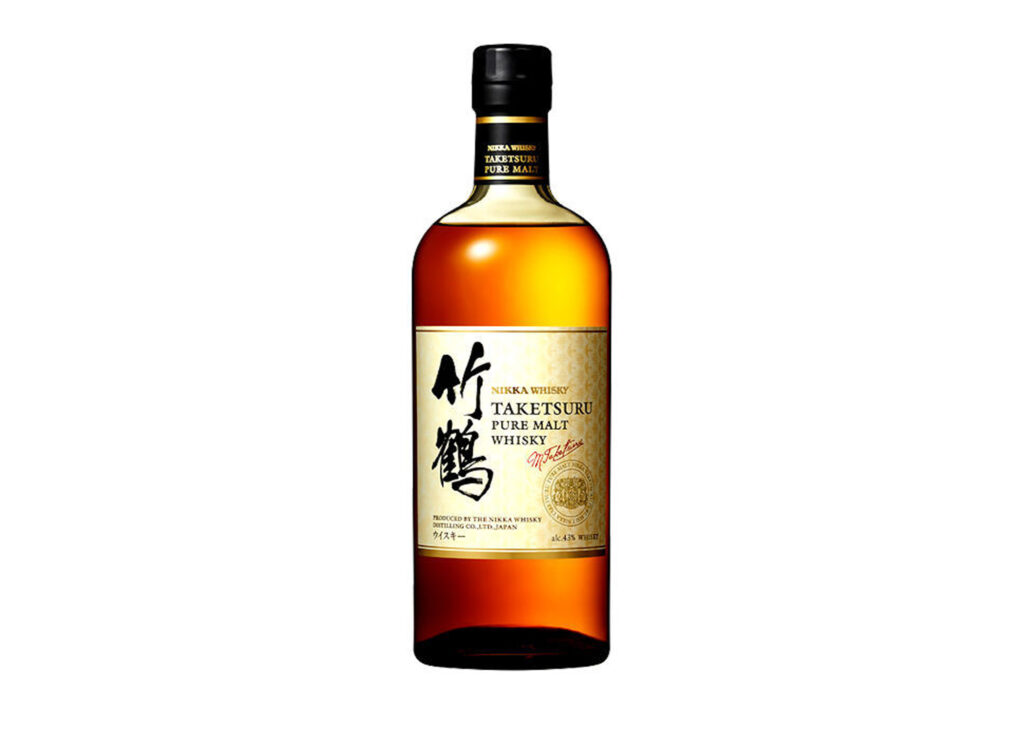
Named in honour of the founder, the Taketsuru Pure Malt is a masterclass in blending. Drawing from both Yoichi and Miyagikyo distilleries, it balances fruit, wood, and smoke in a way that demonstrates why Nikka’s blenders are considered some of the best in the world. It’s approachable, complex, and always dependable.
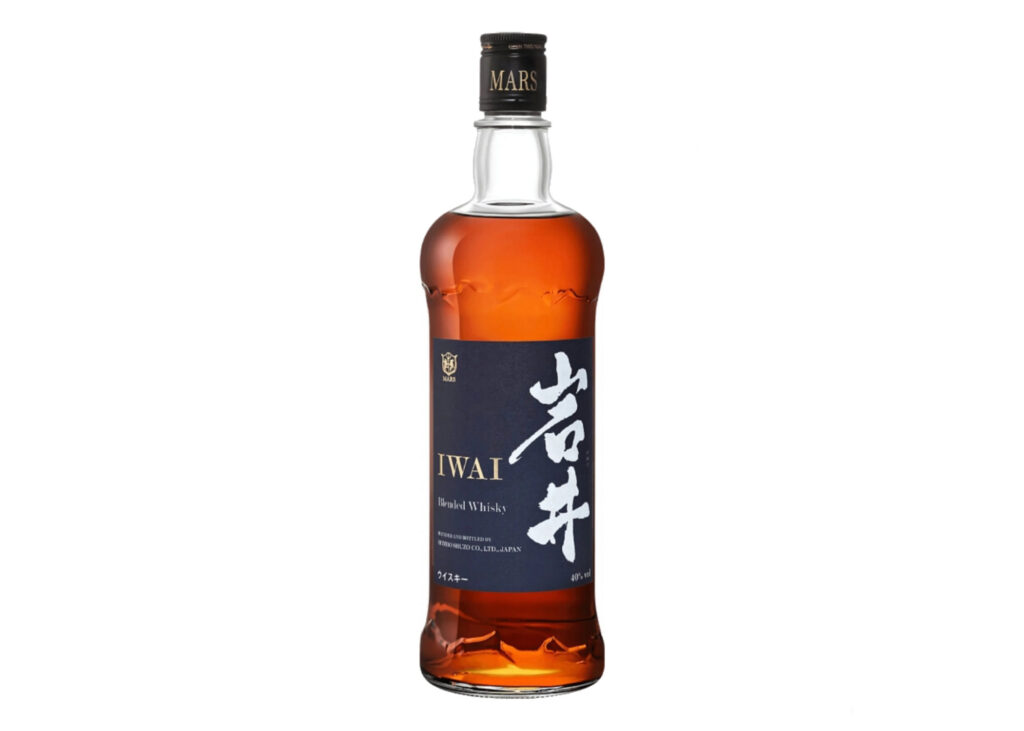
Mars Iwai
This is Japanese whisky’s dark horse. Mars Distillery sits at altitude in the Japanese Alps of Nagano, where the extreme climate pushes maturation in fascinating directions. The Iwai range offers outstanding value: rich caramel, dried fruit, and a warmth that overdelivers significantly for the price. This is a name to know before the rest of the world catches up.
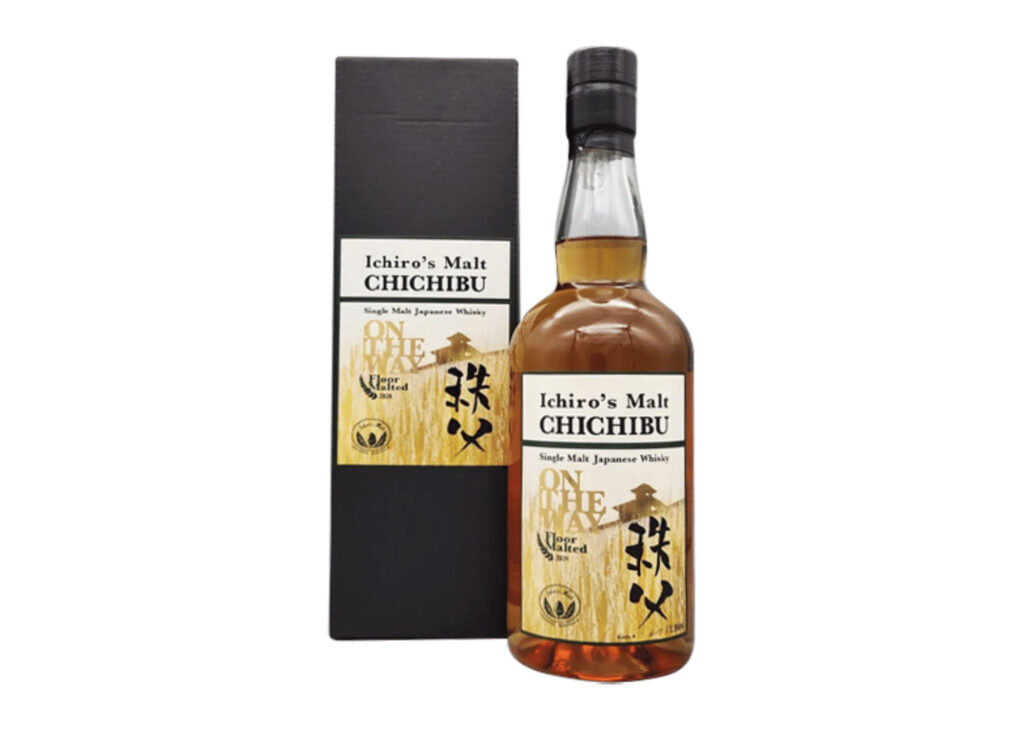
Chichibu
The cult favourite. Founded in 2008 by Ichiro Akuto, whose family had been making whisky for generations, Chichibu is the jewel of Japan’s craft distillery revolution. Production is tiny, releases are limited, and secondary market prices are fierce. But the whisky itself, when you can find it, is extraordinary: complex, handcrafted, and deeply personal. Ichiro’s Malt Card Series, in particular, is the stuff of legend.
The Verdict
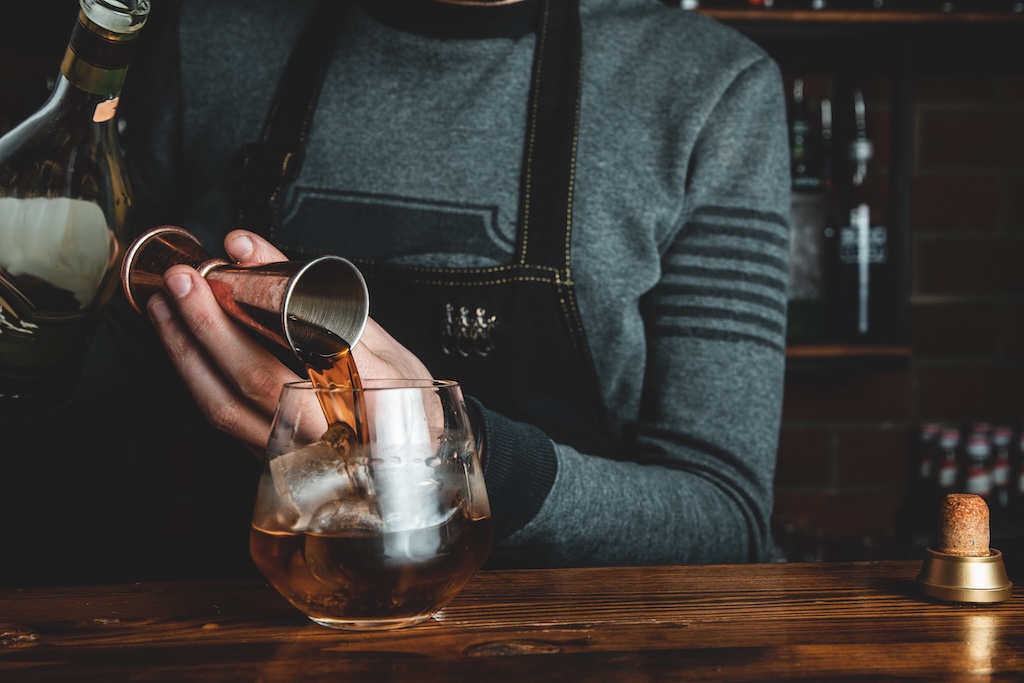
Japanese whisky is not a trend. It is a tradition — one forged across a century of discipline, cultural pride, and uncompromising craft. In a world where so much is disposable, it offers something genuinely rare: a spirit worth waiting for, worth seeking out, and worth understanding. Start with a Yamazaki 12. Work your way up. You will not regret the journey.
Keen to learn more? Check out our guides to ordering whisky like a man-about-town; the debate between Japanese whisky, Taiwanese whisky and Scotch; the best Scottish distilleries you can visit, and everything you need to know about bourbon.