
Sanur just got a lot more interesting for anyone who takes their matcha and their martinis equally seriously.
Tamba, the newest concept from Executive Chef Aman Lakhiani, has opened on Jalan Tamblingan, right next door to his yakitori restaurant Junsei. It’s being billed as Bali’s first dedicated tea room and vinyl listening bar, and having a single ten-seat room pull double duty like this, with genuine rigour in both directions, is not something you see often, in Bali or anywhere else.
The premise is simple on paper: one space, two identities, split by the movement of the sun. From 10 am, Tamba is a Japanese tea room — tight menu, light snacks, ambient music, unhurried pace. From 5 pm until late, the lights dim, the records come out, and it becomes a listening bar built around fermentation-led cocktails and rare spirits.
A Room Built Around Sound
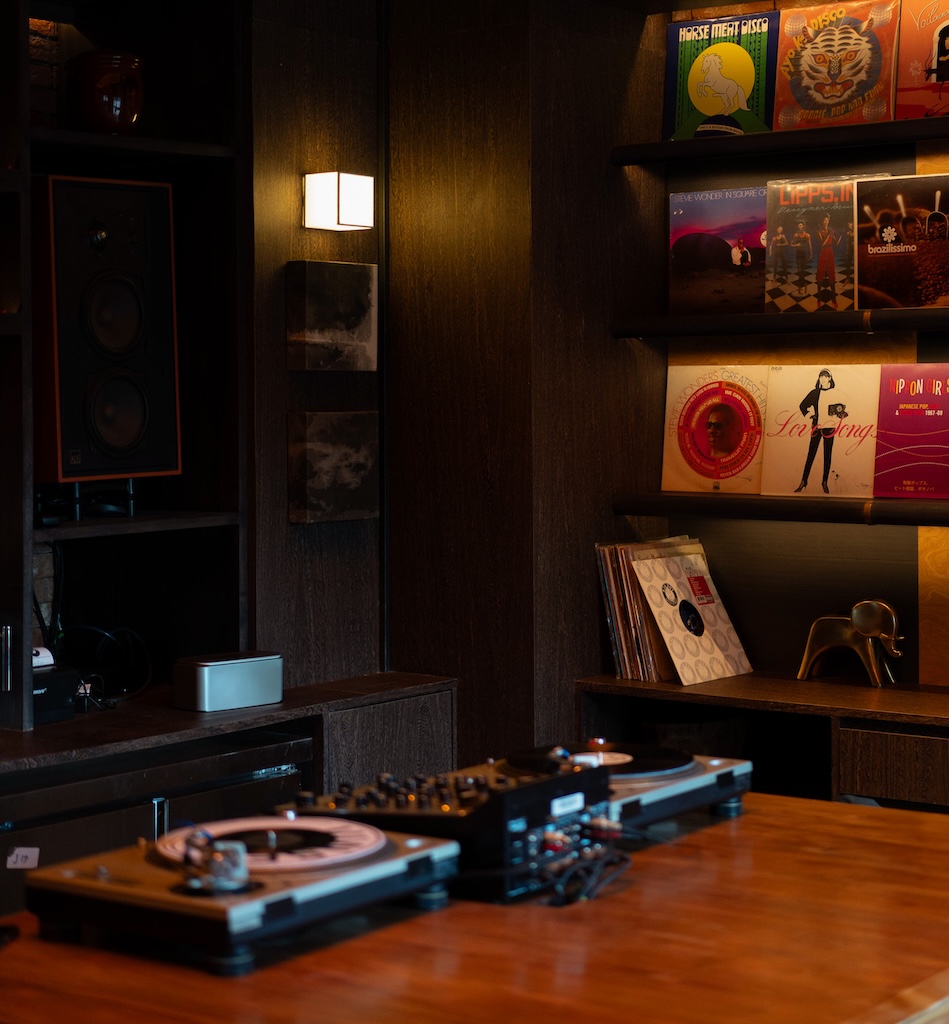
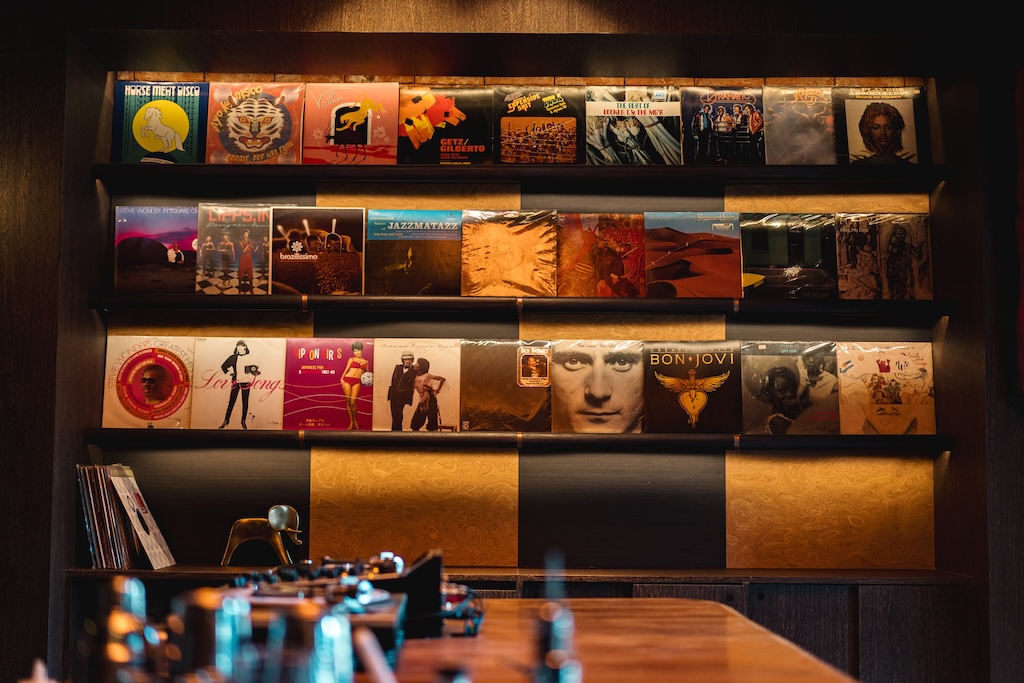
Lakhiani is a long-time vinyl collector, and it shows. Tamba runs on a custom-built sound system designed to give the room what he calls “vintage soul with modern precision.” At the right volume, he says, the speakers seem to disappear entirely. The effect is a rare kind of balance: full enough to lose yourself in the music, quiet enough to hear the person across the table.
Floor-to-ceiling glass doors bring in the afternoon light, which softens into gold as dusk sets in, signalling the room’s shift from tea room to bar. At the centre of it all sits a central bar that functions as both drinks station and vinyl deck, the whole space wrapped in dark wood with records lining the walls.
The Tea Room
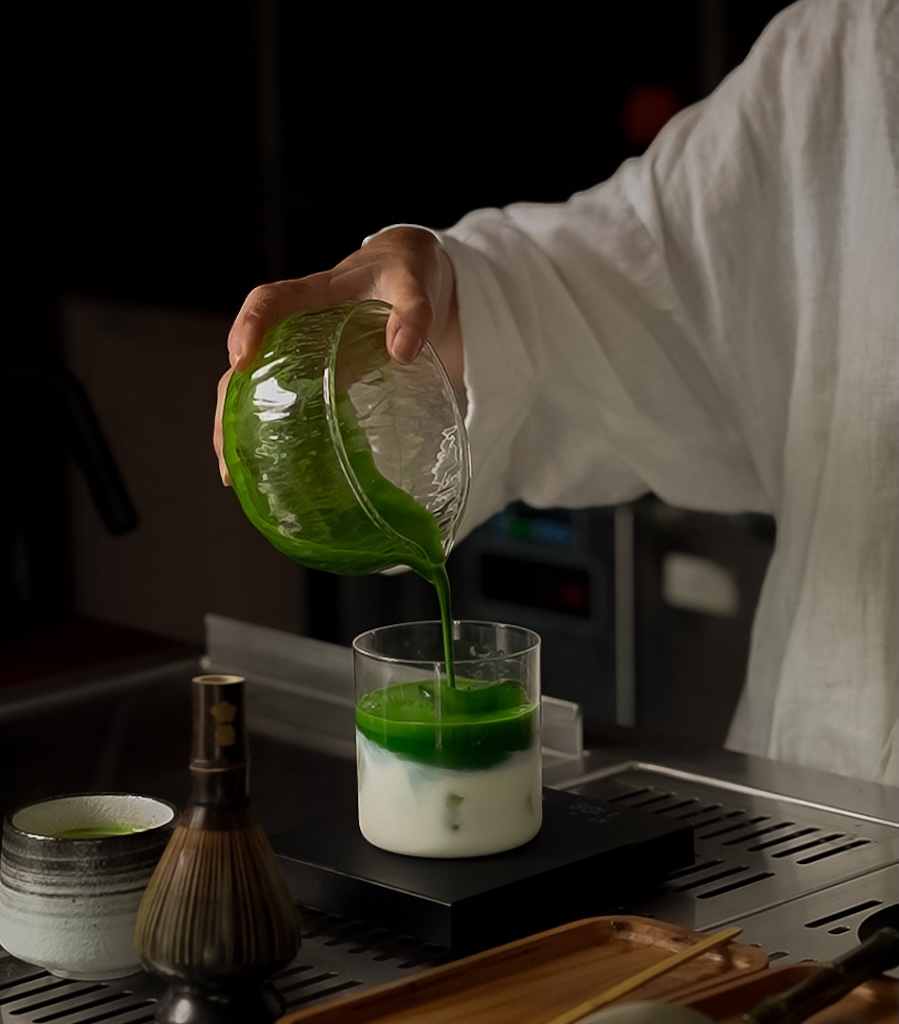
By day, Tamba functions as a considered introduction to Japanese tea culture rather than a simple menu of options. Each tea on the list has been chosen for how differently it behaves with water, milk or ice, and staff talk guests through origin, flavour and preparation, including how water temperature and whisking technique change a tea’s texture, sweetness and natural umami.
Lads looking to ease into a night out in Bali can kick off with a first-harvest Okumidori from Wazuka, Kyoto, fuller-bodied matchas from Shizuoka and Kagoshima, or a smoky Hōjicha, perhaps paired with Japanese snacks and sweets that include mango mochi and a lemon and Earl Grey tart.
After Dark
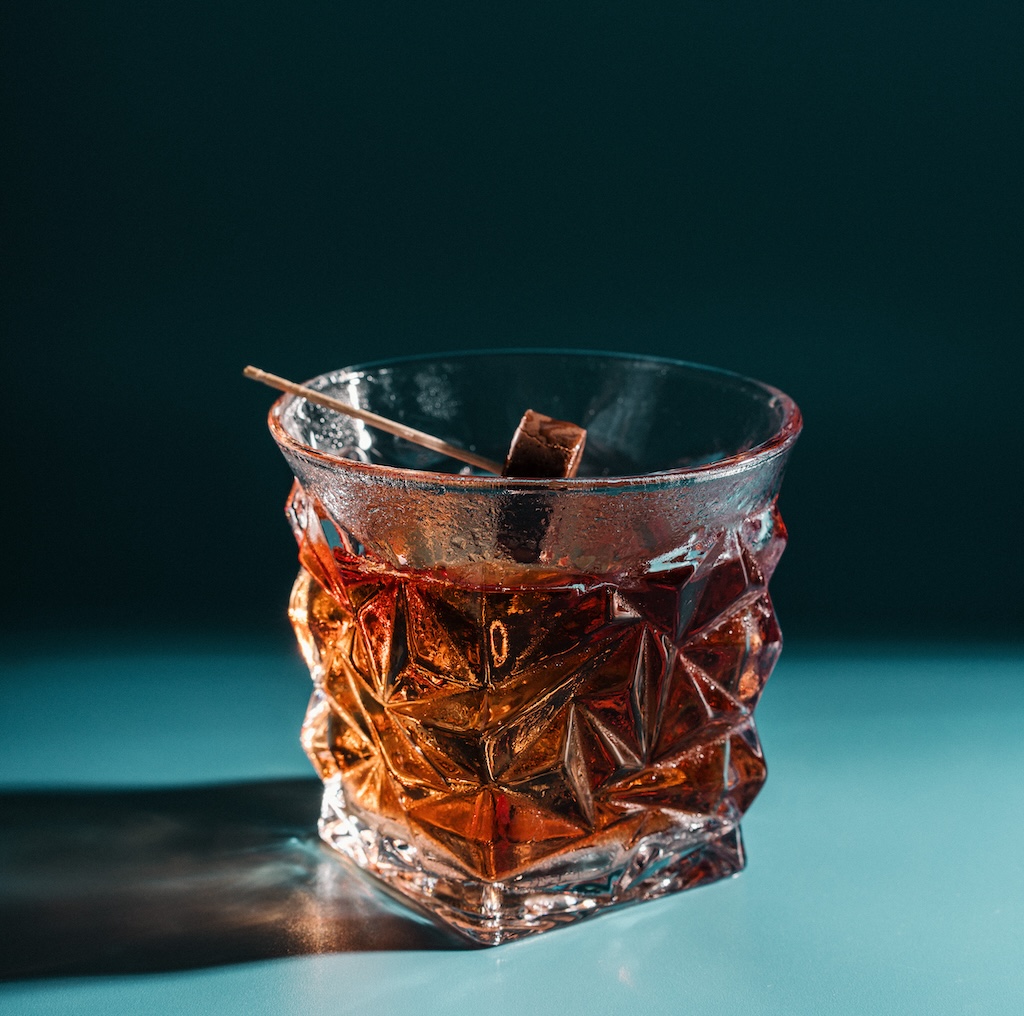
We appreciate that during the day this might be more a place for your lady love, but once the sun drops, Tamba’s second identity takes over. The cocktail programme — Volume 01, developed by Head Bartender Dedi Mulyadi — is built as a deliberate arc through the evening, moving from lighter, clearer drinks early on into deeper, more textured pours as the night progresses.
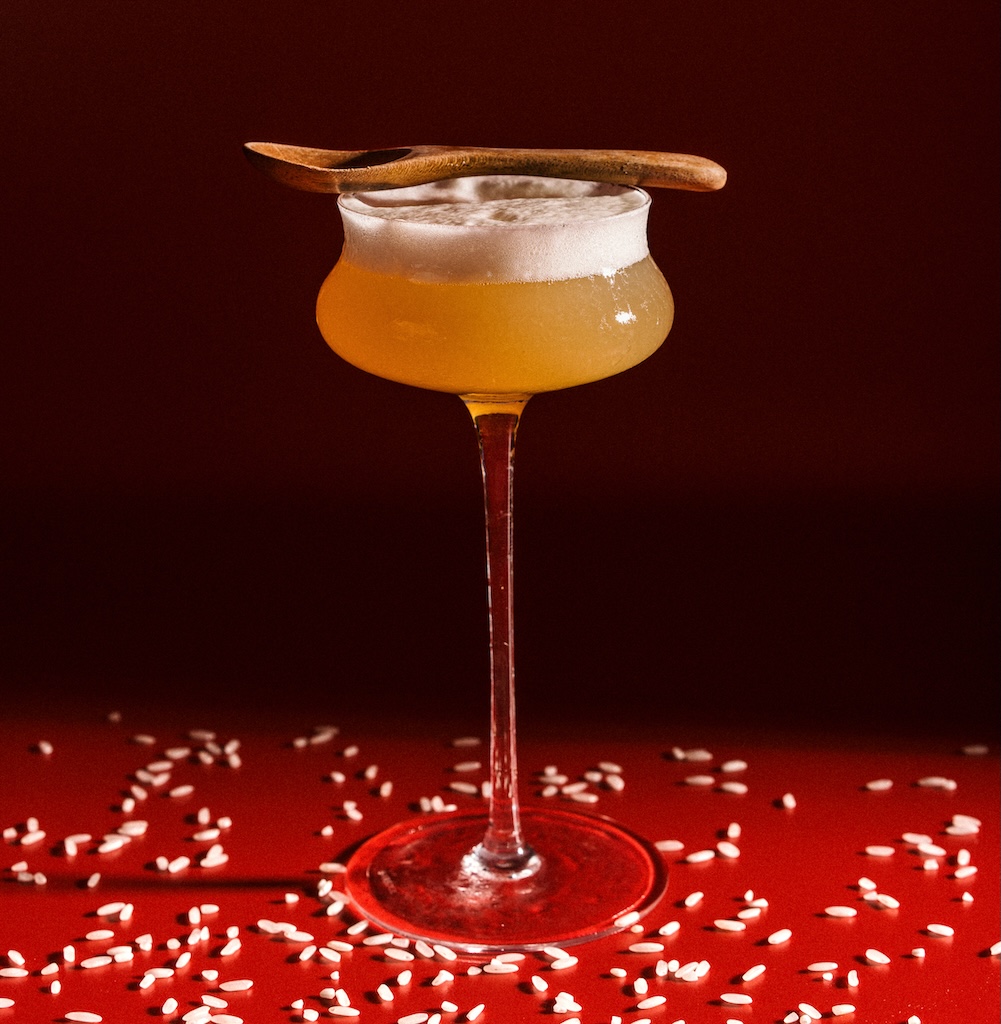
Fermentation and umami run through the whole list. Koji gives the Quiet Path its savoury backbone; kombu vermouth adds depth to the Umetini; roasted rice syrup and brown butter foam turn Burnt Rice into something closer to a dessert course than a drink.
A daily Happy Hour runs 5 pm–7 pm, with buy-one-get-one on selected cocktails; treat it like a warm-up before heading next door to Junsei for yakitori.
Why It Works
Plenty of venues try to be two things at once and end up doing neither particularly well. Tamba’s advantage is that both halves are run by the same sensibility: a tea room fluent in the technical side of Japanese tea culture, and a bar that treats umami as a genuine flavour pillar rather than a gimmick. Lakhiani doesn’t describe them as separate concepts sharing a lease — he calls them two expressions of the same thinking, split only by daylight.