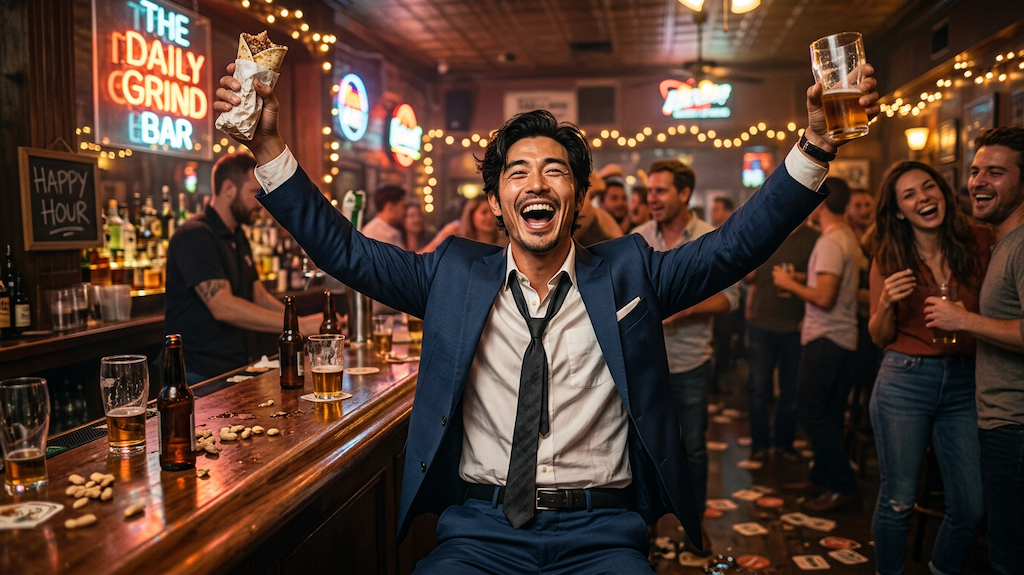

Your head is throbbing, your mouth tastes like a gym sock, and you swore off whisky at 2am. Here’s why and what to do about it.
Somewhere between last night’s third negroni and this morning’s first glance in the mirror, something went catastrophically wrong. Your skull feels one size too small. Your stomach has staged a coup. And you’re, once again, googling “why do I feel like this” at 7 am from the bathroom floor.

Congratulations. You have a hangover, humanity’s oldest, least glamorous hobby. It has been ruining mornings since the first Neolithic farmer left a jar of fermented grain out too long, and despite millennia of practice, we’re still remarkably bad at avoiding it. The good news is that modern science has finally figured out most of what’s happening in there, and there are real, testable ways to blunt the damage. The other good news, if you’re drinking your way through Asia’s most glamorous capitals this year, is that understanding your own biology might explain why your mate can down six beers and stroll home fine while you’re horizontal after three.
Let’s get into it, properly, and without the wellness-influencer nonsense about charcoal lattes.
So What Actually Is a Hangover?

Medically speaking, a hangover is the unpleasant cluster of symptoms — headache, nausea, fatigue, dry mouth, sensitivity to light, general existential regret — that shows up as your blood alcohol level drops back toward zero. It typically peaks when alcohol has fully left your bloodstream, which is its own cruel joke: the punishment arrives right as you thought you’d gotten away with it.
For a long time, researchers assumed the culprit was acetaldehyde, the toxic compound your liver produces as it breaks down ethanol. That’s still part of the story, but newer research has complicated the picture considerably. Animal studies published in the Proceedings of the National Academy of Sciences found that acetate — a downstream product formed after acetaldehyde breaks down further — may actually be responsible for hangover-style headache sensitivity, not acetaldehyde itself. In other words, your body is still cleaning up alcohol’s mess well after the alcohol itself is gone.

Then there’s dehydration, which does the heavy lifting on that desert-mouth, jackhammer-headache feeling. Alcohol suppresses the hormone that tells your kidneys to conserve water, so a single 250ml serving containing 50g of alcohol can cause your body to expel up to four times as much fluid as you drank. You’re not just dehydrated — you’re actively pumping water overboard while the ship sinks.
Add to that disrupted sleep (alcohol wrecks REM cycles, so even eight hours in bed leaves you feeling like you pulled an all-nighter), inflammation from your immune system reacting to alcohol as a toxin, blood sugar crashes and congeners (the chemical by-products formed during fermentation and ageing that give dark spirits like whisky, brandy, and red wine their flavour and colour) and you have a recipe for pain.
Why Some Asian Drinkers Feel It Harder
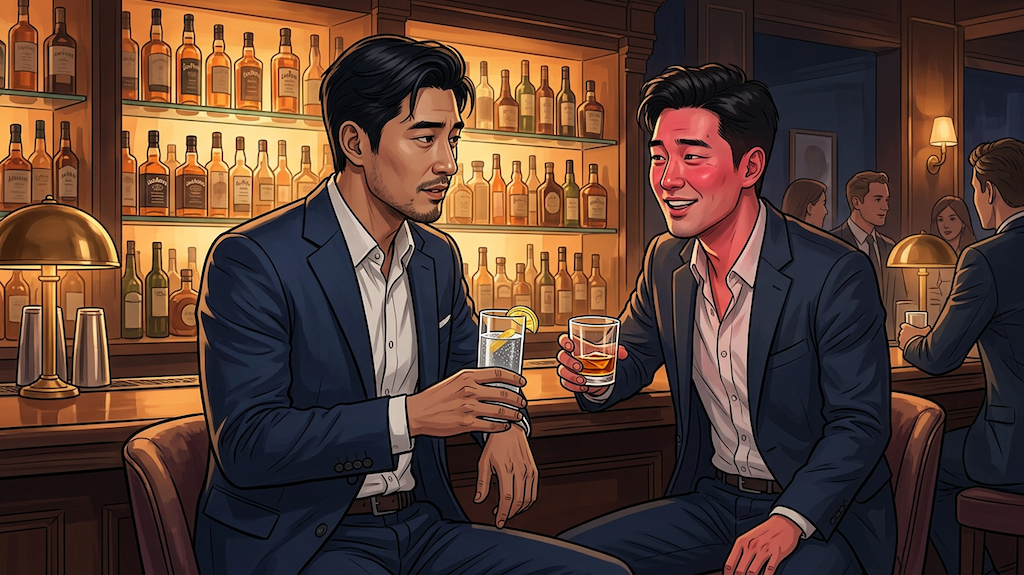
Here’s where it gets interesting, and where a lot of drinking cultures across Asia have a real, biological reason for their reputation. Roughly 35 to 40 percent of people of East Asian descent — that’s hundreds of millions of people — carry a variant of the ALDH2 gene that dramatically reduces the enzyme responsible for clearing acetaldehyde from the body. If you’ve ever gone red-faced, hot, and nauseous after two drinks while your friends are still cruising, that’s not a low tolerance you need to “build up.” It’s genetics.
People with one copy of the ALDH2*2 variant process acetaldehyde at roughly 20 percent of normal efficiency; those with two copies barely process it at all. The result is the well-known “Asian flush“, the facial redness, rapid heartbeat, headache, and nausea that can kick in within minutes of a single drink. It’s not just uncomfortable, it also comes with a six-to-tenfold higher risk of oesophageal cancer among regular drinkers who carry the genetic variant. This isn’t a party trick to push through with more baijiu but your body sending an unusually clear warning label. If you flush, the smartest move isn’t to train but to refrain.
Prevention: Outsmart the Hangover Before It Starts
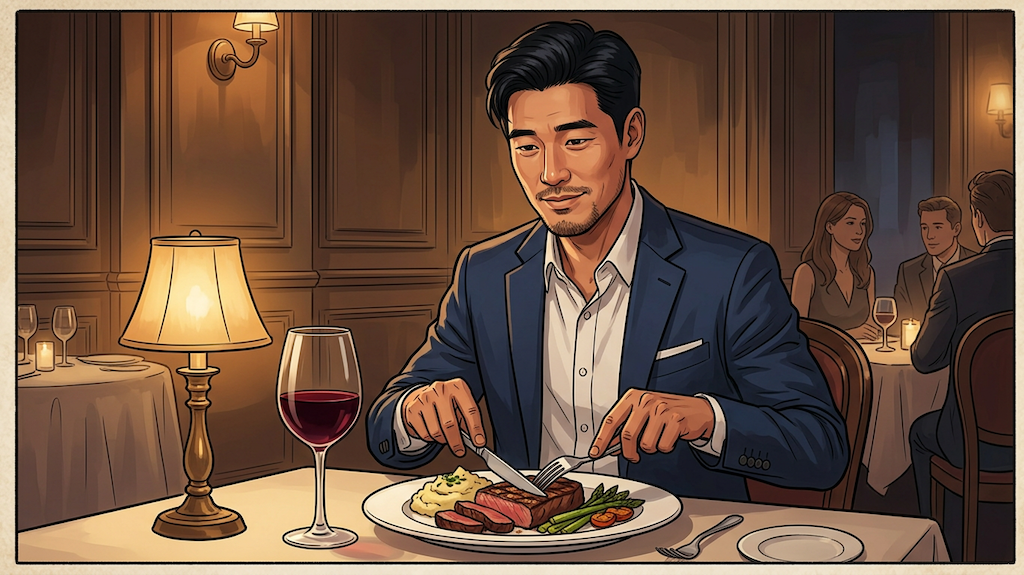
1. Eat like you mean it. A proper meal with fat, protein, and carbs before drinking slows alcohol absorption significantly. Skip the “pre-gaming on an empty stomach” approach — it’s not efficient, it’s just reckless.
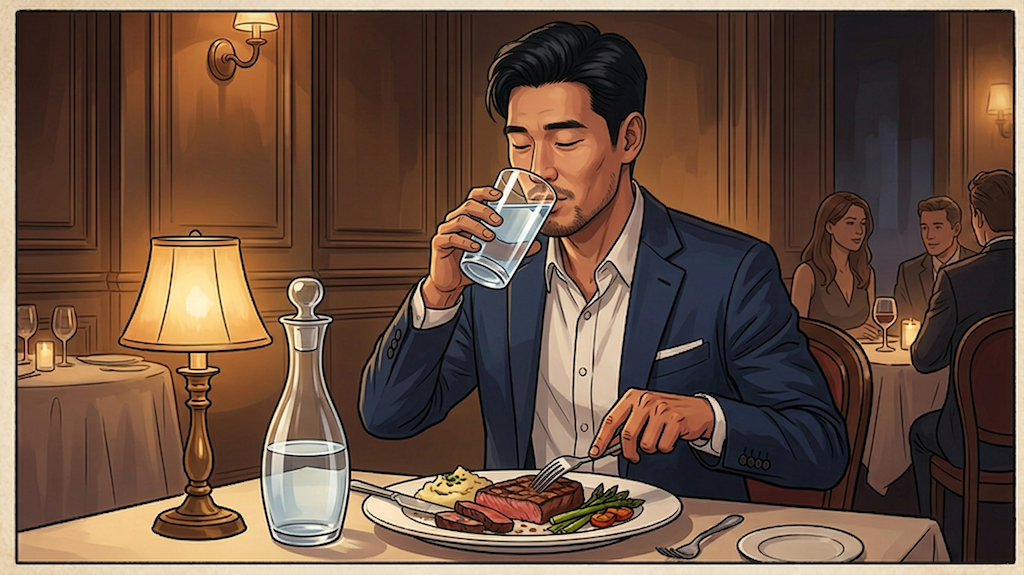
2. Pace it: one drink, one water. Alternating alcoholic drinks with water does double duty as it slows your intake and fights the dehydration that causes half your symptoms tomorrow.
3. Choose lighter-coloured, lower-congener drinks. Vodka, gin, and white wine consistently produce milder hangovers than whisky, brandy, dark rum, and red wine. If you’re choosing your poison, choose pale.
4. Know your ceiling — and your genetics. If you’re one of the many men across Hong Kong, Taipei, Japan, and Korea carrying the ALDH2 variant, respect it. Flushing after one drink isn’t weakness, it’s data.
5. Set a hard stop time. The last drinks of the night, consumed too close to bedtime, do the most damage because your liver never gets ahead of the workload before you pass out.
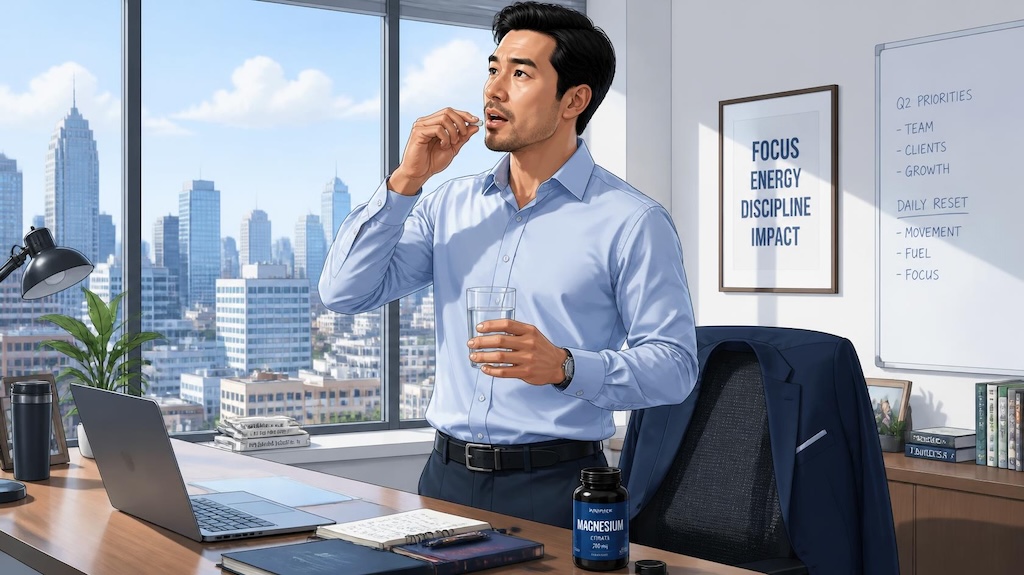
6. Take magnesium and B vitamins seriously. Alcohol depletes both, and low levels are linked to worse next-day symptoms. A pre-bed multivitamin isn’t a cure, but it’s cheap insurance.
7. Watch the humidity, not just the alcohol. Drinking outdoors on a sweltering Hong Kong or Singapore rooftop accelerates fluid loss well beyond what alcohol alone causes. Order water like you mean it, not as an afterthought.
Treatment: Damage Control the Morning After

1. Rehydrate aggressively, not just with water. Electrolyte drinks or oral rehydration salts replace the sodium and potassium alcohol strips out, which plain water alone won’t fix.
2. Eat something bland and real. Bananas, eggs, congee, or plain toast help stabilise blood sugar, which crashes hard after a night of drinking and worsens fatigue and shakiness.
3. Get sunlight and gentle movement. A short walk does more for circulation and mood than another hour in a dark room, however tempting that hour sounds.
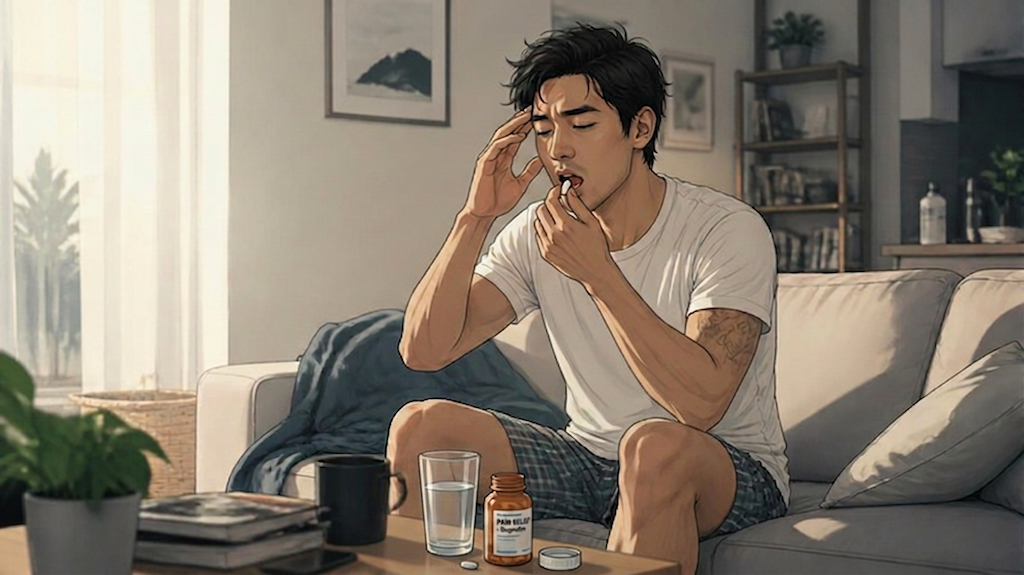
4. Use ibuprofen carefully, and only with food. It helps with headache and inflammation, but combined with a stressed, alcohol-irritated stomach it can cause real damage — never take it on an empty stomach.
5. Sleep it off properly if you can. Your body genuinely repairs faster with real sleep than with a triple espresso and sheer willpower.
6. Skip the “hair of the dog.” More alcohol just delays the inevitable reckoning; it doesn’t cure anything.
7. Give it time — genuinely, just time. Most symptoms resolve within 24 hours as your body finishes clearing acetate and rebalancing hormones and blood sugar. There’s no supplement on the market that beats simply letting the process run its course while you hydrate and rest.
Hangover Q&A

Does greasy food before bed actually help?
Not really. It may slow absorption slightly if eaten before drinking starts, but a post-drinking kebab does little beyond giving your stomach something extra to regret.
Is coffee a good hangover cure?
It’ll mask fatigue, but caffeine is a mild diuretic and won’t touch the dehydration or inflammation driving your symptoms. Drink water first.
Why do hangovers get worse with age?
Your body’s ability to metabolise alcohol slows with age, and total body water — which dilutes alcohol — decreases too, so the same drinks hit harder as the years go by.
Can you build up a tolerance to hangovers?
You can dull the perceived effects of alcohol over time, but your liver’s actual processing capacity and your genetics don’t change. The damage still happens; you just notice it less.
How long does a hangover actually last?
Most symptoms peak within a few hours of your blood alcohol level hitting zero and fade within 24 hours, though heavier nights, poor sleep, or dehydration can stretch that into a second miserable day.

Is Asian flush dangerous, or just embarrassing?
Both, honestly. Beyond the visible discomfort, the acetaldehyde build-up behind it is linked to meaningfully higher long-term cancer risk with regular heavy drinking, so it’s worth taking seriously rather than pushing through.
What’s the single best hangover prevention tip?
Water, alternated drink-for-drink with alcohol, plus a real meal beforehand. It’s unglamorous, but it beats every supplement on the market.

The truth about hangovers is unglamorous but useful: there’s no magic cure, only smart defence. Eat well, hydrate relentlessly, know your own biology, and drink like someone who has somewhere to be in the morning. Your future self — the one not lying on the bathroom floor — will thank you.