

The Doomsday Clock has never been closer to midnight. Here is how to build, stock and actually survive in a bunker, and why the smartest preparation starts well above ground.
Nobody builds a bunker expecting to use it, but let’s face it, the world is in a pretty sorry state, and there’s not much hope on that glowing horizon. In the face of wars, pandemics and AI on the table, here’s how to prepare your doomsday bunker like a gentleman who plans to enter the New World Order with a modicum of sophistication. After all, we all want to look presentable when we meet our new robot masters.
The End Is Nigh(ish): Why Bunkers Are Back
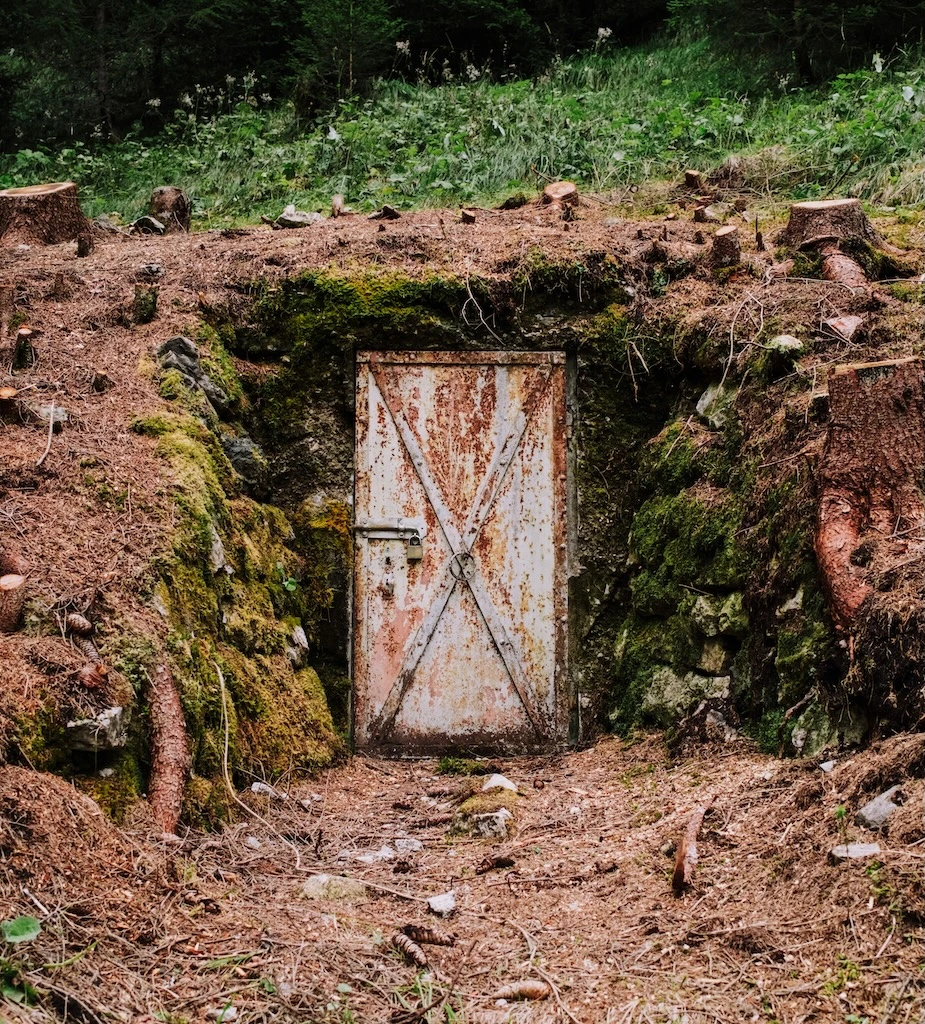
In January, the Bulletin of the Atomic Scientists moved the Doomsday Clock to 85 seconds to midnight, the closest it has stood since the clock was created in 1947. Their reasons read like a cocktail menu designed by a pessimist: nuclear arsenals, biological threats, climate change, and the unregulated rise of artificial intelligence, including AI’s potential to help design pathogens nobody can defend against.
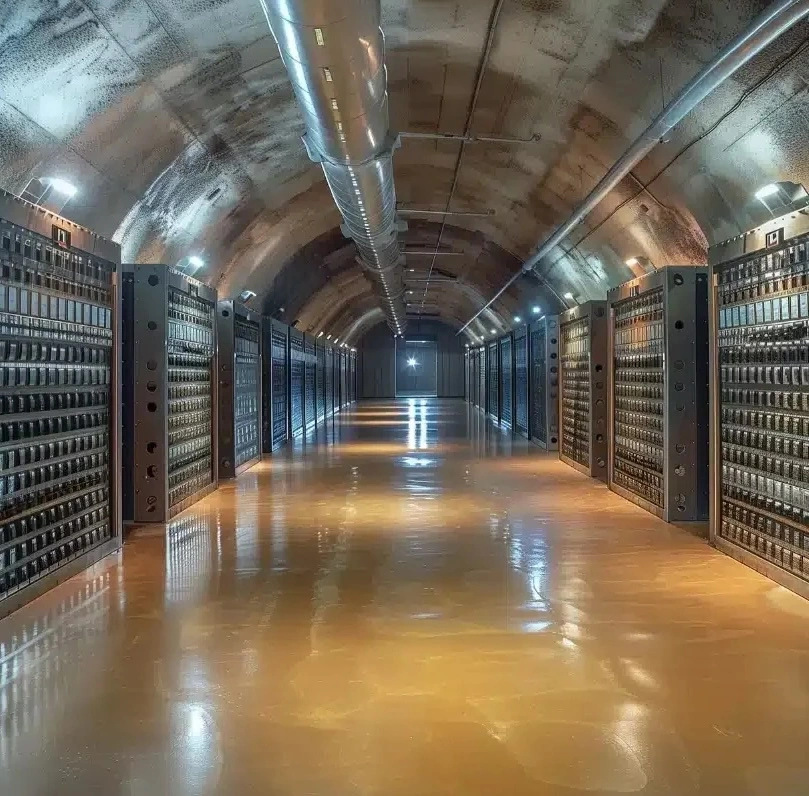
The market has noticed. Atlas Survival Shelters in Texas, which prides itself on being the world’s largest bunker producer, told the Associated Press it sells a shelter most days, with COVID, the war in Ukraine and conflict in the Middle East all driving demand. Mark Zuckerberg is reportedly installing a 5,000-square-foot bunker beneath his Kauai compound in sunny Hawaii, while Virginia firm SAFE, which specialises in panic rooms and fortified estates, is building Aerie (below), a US$300 million subterranean complex for 625 of the world’s wealthiest, with private units at up to US$20 million apiece.
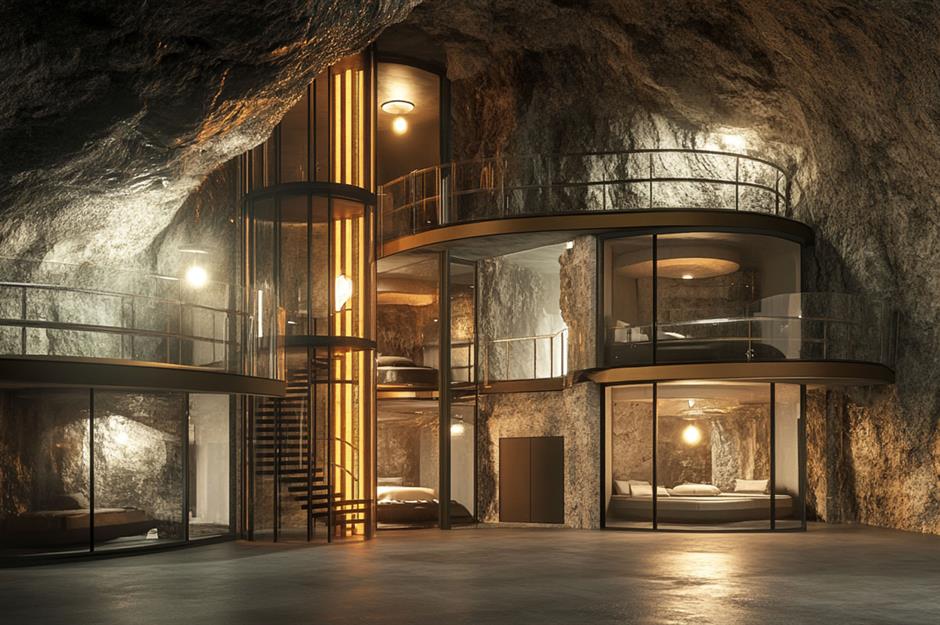
And this isn’t just American paranoia. Here in Asia, Japanese firm Oribe Seiki Seisakusho has stated in interviews that demand has outstripped their production capacity – especially for orders of Swiss-made CBRN air filtration systems – while the CEO of competitor Shelter Co, Seiichiro Nishimoto, has said taste in bunkers has shifted from industrial-looking concrete boxes to homely hideaways, complete with curated art collections and luxury decor. It’s no wonder Netflix’s Billionaires’ Bunker went to number one on its global non-English chart last year.
In other words, the end of the world has quietly become a luxury category, which means it deserves the same treatment we give watches and whisky: honest advice, no gimmicks, and a clear sense of what actually earns its place.

So, a word of candour before the shopping list. Experts interviewed by AP were blunt that a private bunker offers little help if you’re close to a nuclear detonation. Concrete does not make you immortal, no matter what you’re pouring at the bar. What a well-prepared shelter does do is buy you time, which means protection from fallout, from disorder, and from the days or weeks when the supermarket, the power grid and the mobile network are all unavailable. That is the realistic brief. Build for it.
Step 1: Decide What You’re Actually Hiding From
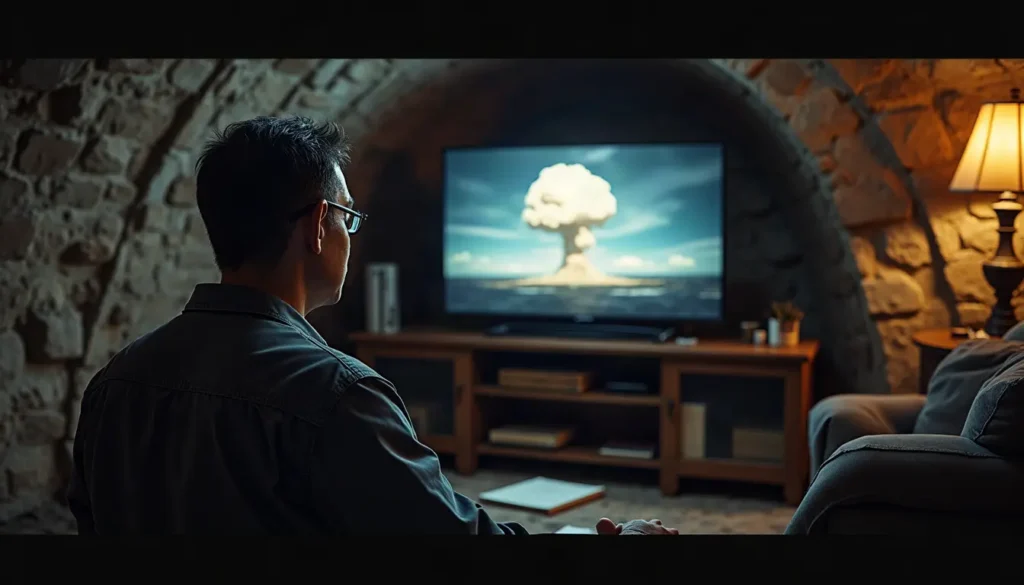
Every good bunker starts with a threat assessment, not a catalogue. The spec changes dramatically depending on the apocalypse you have in mind.
War and Nuclear Fallout
This is the classic scenario, and the one bunkers have long been designed for. The danger after a detonation is radioactive dust that settles over tens of kilometres. The defence is mass (earth, concrete, distance) plus time, because fallout radiation decays fast.
Pandemics
These are a different animal. A sealed bunker is an extravagant quarantine room, and frankly, your apartment will do most of the job. What matters is a deep pantry, medication, filtration and the ability to stay home for weeks without anyone delivering anything, something many went through during COVID (Hong Kong, we’re looking at you!)
Rise of the Robots
Of course, AI is the wildcard, and the honest answer is that no blast door stops a misaligned superintelligence, even if they ask really nicely for you to open the airlock. The realistic AI-era risks are cyberattacks on infrastructure, grid failures and a flood of disinformation during a crisis. The bunker response is analogue redundancy: things that work when nothing digital does.
Mother Nature’s Whim
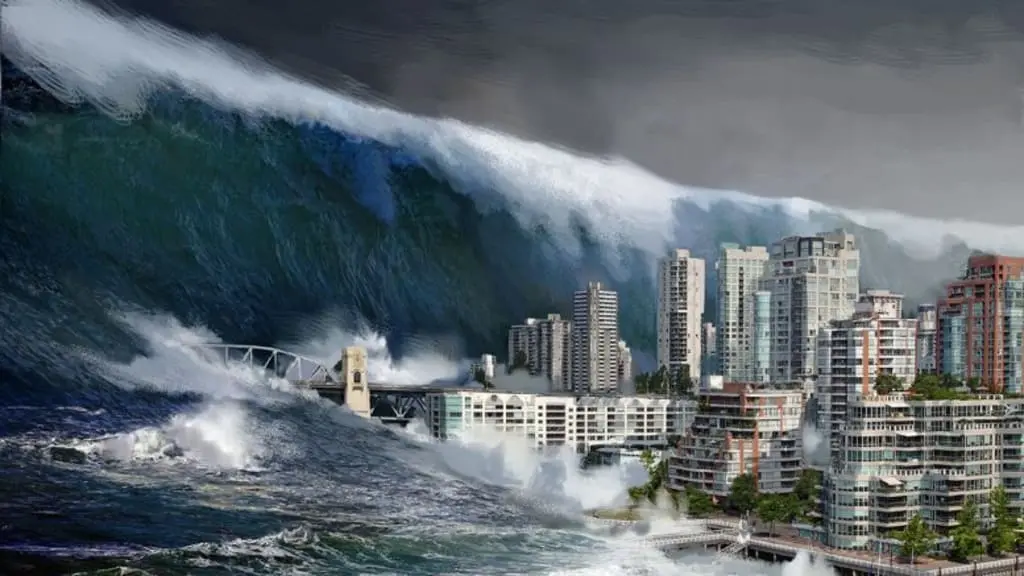
The everyday apocalypse matters most in Asia, a region prone to typhoons, floods, earthquakes and extended blackouts. Having lived through a Hong Kong Signal 10 and a Bali wet-season power cut, we’d argue these are the scenarios most readers will actually face, and the preparation overlaps almost entirely with the dramatic ones.
Step 2: Set a Budget (and Find Your Ferrari Equivalent)

Bunkers scale from the sensible to the absurd with remarkable speed.
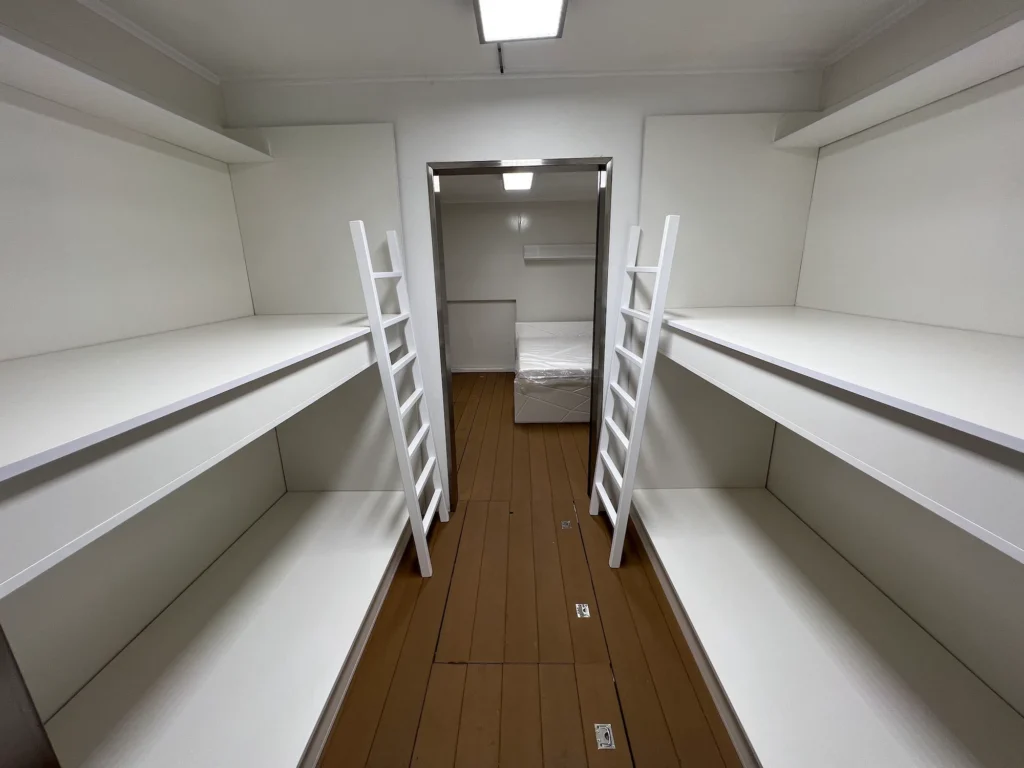
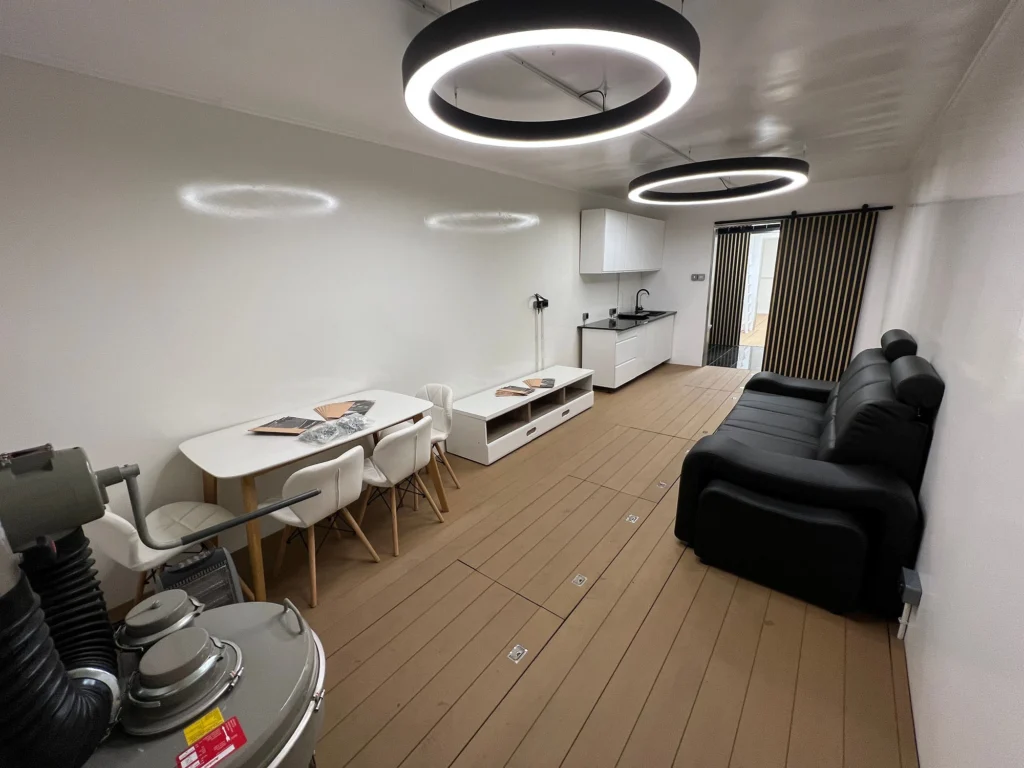
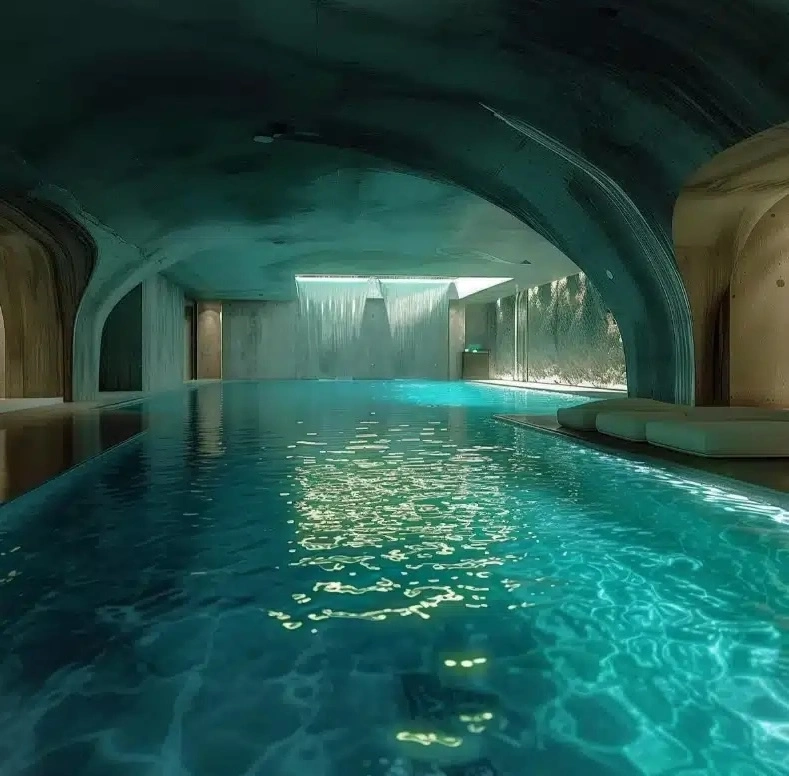
At the entry level, HomeGuide puts a basic underground bunker at US$200-$400 per square foot, or roughly US$40,000-$80,000 in total, with delivery another couple of grand, depending on where you’re building your modern day ark. A fully finished, turnkey concrete shelter with airlock, bathroom and CBRN filtration runs US$800-$1,200 per square foot from specialist builders. Atlas’s Ron Hubbard has said his typical customer spends US$200,000-$400,000, and compared it to buying a Ferrari (which might make economic sense given one gets you laid and the other keeps you alive). At the summit sits the Survival Condo in Kansas, a converted Atlas missile silo sunk 15 storeys into the prairie, with a pool, cinema, bar, climbing wall and aquaponic tilapia farm. It cost US$20 million to complete in 2012.
The Asia reality check is that excavating a private bunker in major cities like Hong Kong, Singapore or Bangkok is rarely practical as land is scarce, groundwater is high and planning rules are strict. Before any digging, consult a structural engineer and your local building authority., or start leaving pamphlets for Samui investment lots on your wife’s bedside table.
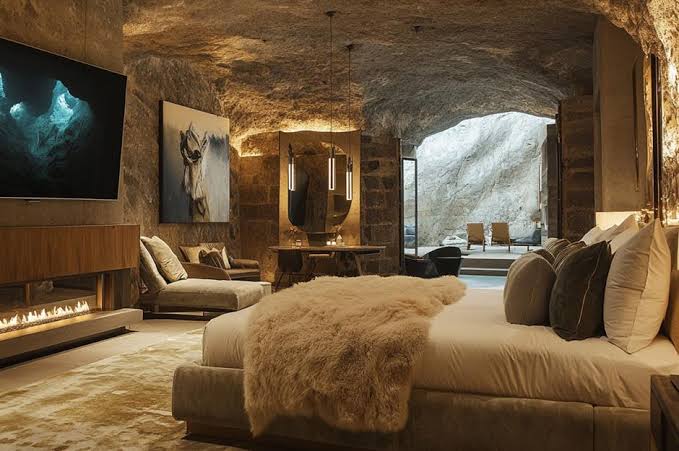
Some of you, however, already own one. Under Singapore’s Civil Defence Shelter Act 1997, every new house and flat must include a household or storey shelter. That reinforced room most Singaporeans use for suitcases and the post-holiday Christmas tree is, in fact, a civil defence shelter. The rules matter: SCDF and HDB guidelines forbid drilling or hacking into its walls, slab or door frame, and anything installed inside must be removable. Freestanding, boltless shelving is your friend.
The gold standard, incidentally, is Switzerland, where roughly 370,000 shelters provide space for around 107% of the population, at about one square metre per person, equipped for up to two weeks of self-sufficiency. The Swiss also use many of theirs as wine cellars, which tells you everything about their priorities.
Step 3: Air Is the Luxury Nobody Talks About
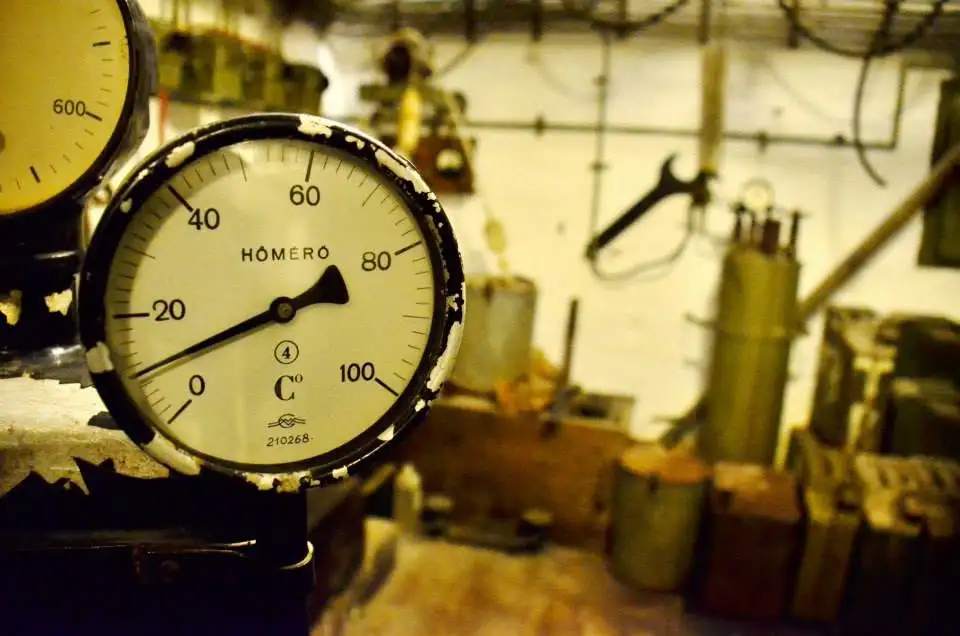
You can last weeks without food and days without water, but only minutes without breathable air. Air is where cheap bunkers fail and serious ones earn their price.
The standard is an NBC (nuclear, biological, chemical) filtration system, which means a pre-filter, a HEPA filter for radioactive and biological particles, and an activated carbon stage for gases. Good systems push filtered air in hard enough to create positive pressure, so contaminated air can’t seep through gaps. FEMA calls this a Class 1 safe room. Add blast valves on the intake and exhaust, and, critically, a hand crank so you can keep breathing when the power fails.
Expect to pay US$3,000-$10,000 for filtration. American Safe Room‘s 60 CFM Safe Cell kit with hand crank lists at around US$5,395. Don’t skimp: a sealed room without proper ventilation accumulates carbon dioxide to dangerous levels far faster than people expect, which is why some specialists also recommend a CO2 scrubber for periods when outside air is too smoky to draw in.
Step 4: Water First, Food Second, Cognac Third
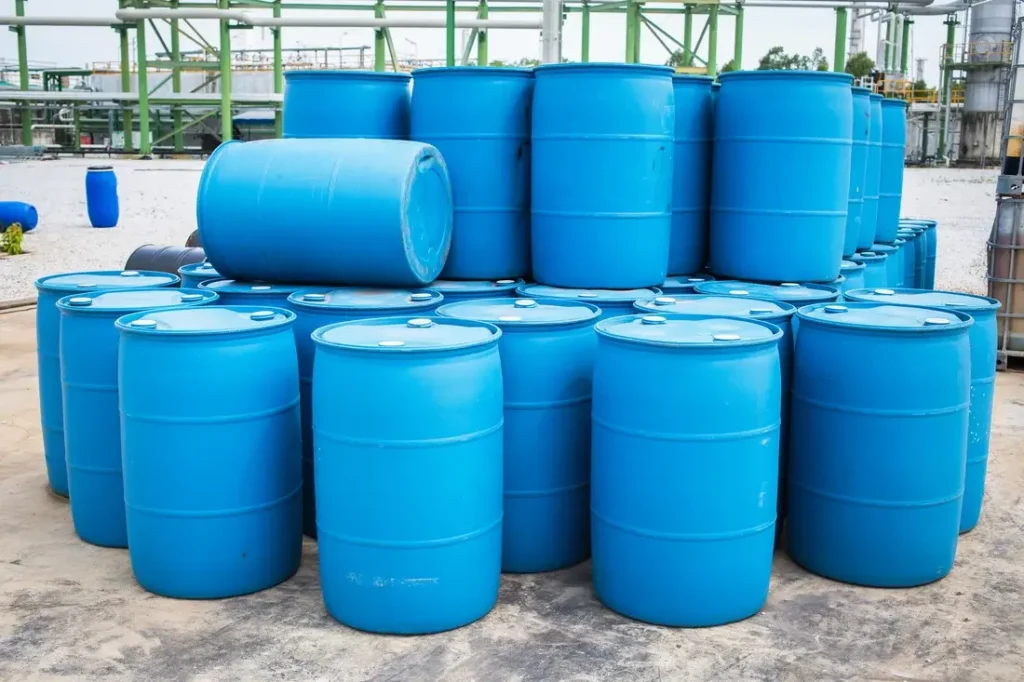
Ready.gov recommends at least one gallon (about 3.8 litres) of water per person per day for drinking and sanitation, and notes that in very hot conditions needs can double. Anyone who has walked across Singapore at noon understands why that matters. The American Red Cross suggests a two-week supply at home so for a dedicated shelter, plan for two weeks as a minimum and 30 days as the serious target. For a household of four in the tropics, that means hundreds of litres, so food-grade drums beat supermarket bottles. Rotate stored water annually and keep unscented bleach or purification tablets to keep it potable.
Food should be non-perishable, calorie-dense and, crucially, things you actually like. Freeze-dried meals, rice, tinned fish, nut butters, oats, instant noodles and hard cheese all keep well. Rotate stock into your kitchen so nothing quietly expires in the dark. And yes, pack something civilised. Morale is a survival resource, and a bottle of good Cognac or blended Scotch (see our home bar essentials guide) weighs very little against the psychological return.
Step 5: Power, Comms and the Analogue Stack

Power comes from solar panels with battery storage, a generator, or both. If you run a generator, it must vent outside as carbon monoxide kills far more people in disasters than fallout ever will. Keep LED lighting on separate circuits and store spare batteries.
Communication is non-negotiable. A battery-powered or hand-crank radio is the one item every emergency agency agrees on, because broadcast radio survives when mobile data does not.
Then build what we call the analogue stack, your insurance against the AI-era failure modes. This means compiling printed copies of passports, insurance and medical records, paper maps of your city and escape routes, local cash in small notes, a written list of phone numbers you haven’t memorised since 2009, and and a mechanical watch that needs no charging. When the grid is down, a hand-wound Hamilton Khaki Field Mechanical stops being a style choice and becomes a tool. A solar-powered Citizen or an indestructible G-Shock also earns its keep.
Step 6: Plan for the Human Being Inside
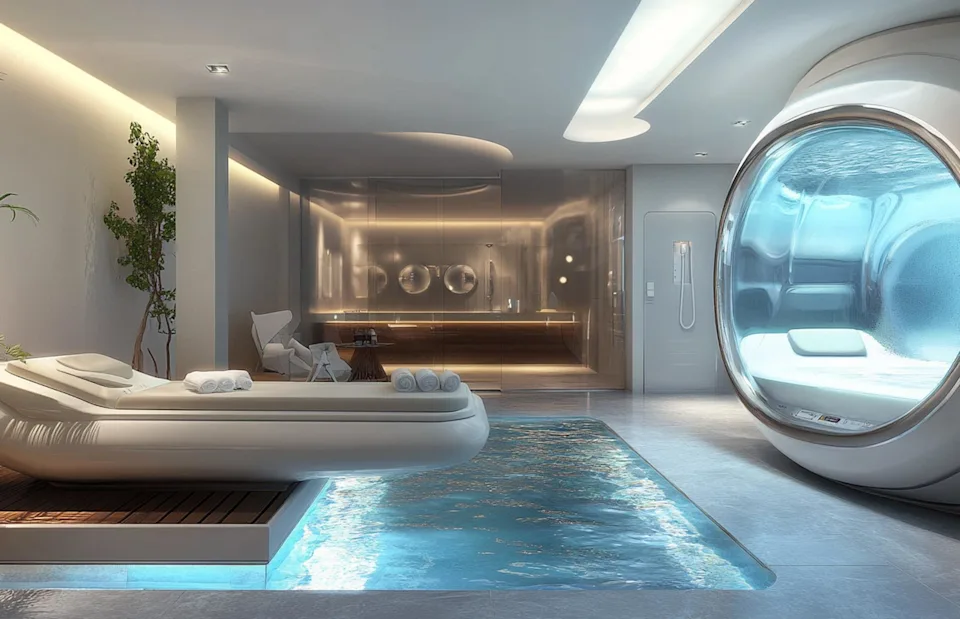
The most overlooked system in any bunker is the person using it.
Sanitation comes first, because nobody wants to learn about waste management in week two. A chemical toilet, heavy-duty bags, bleach, wet wipes and a sealed disposal plan are essential. Medicine is next, so beyond the obvious first aid essentials (for which you’ll need a month’s supply), you’ll need any prescription medication (but perhaps not those maca root supplements you brought online).
Then there’s the mind. Confinement, artificial light and bad news are a corrosive mix. Use warm lighting on a day-night cycle, keep a routine, bring books (plenty of books), cards and offline entertainment, and designate at least one private corner. Billionaires’ Bunker is fiction, but its central insight, that the real danger underground is other people, is sound.
Finally, rehearse. Florida bunker builder Ron Rigdon asks clients to live in their finished shelter for two weeks before signing off, precisely so they discover the missing can opener before it matters. Do the same for a weekend.
Step 7: Know When to Come Out
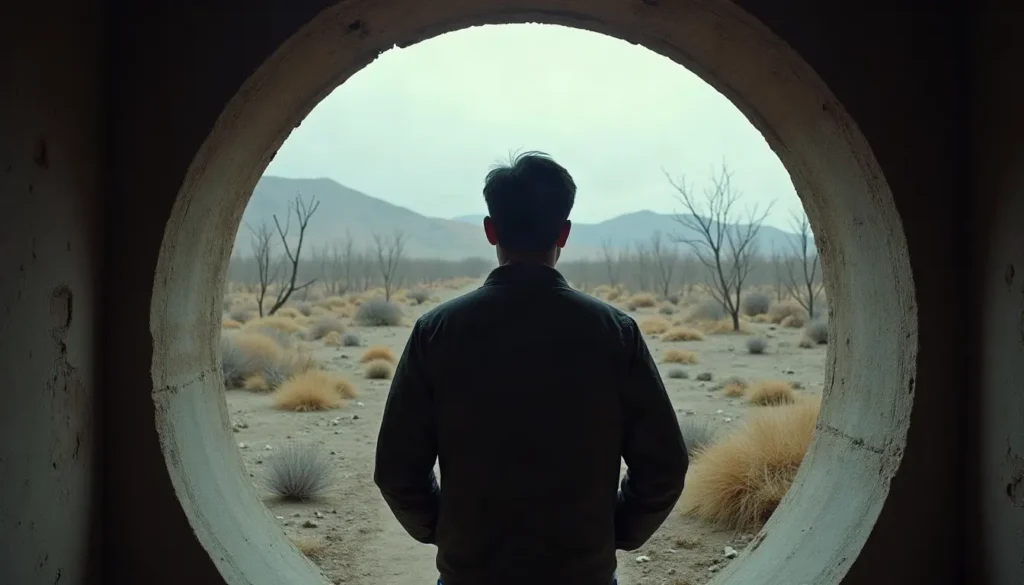
Fallout radiation follows the 7:10 rule: for every sevenfold increase in time after a detonation, radiation drops roughly tenfold. Seven hours after, it’s about a tenth of the one-hour level; after two days, around one percent. That’s why official advice is to get inside quickly (you may have 10 minutes or more before fallout arrives) and stay in the most protective space for at least 24 hours.
The Red Cross adds that in some circumstances authorities may advise sheltering for up to a month. A Stanford analysis found that sheltering in basements rather than fleeing by car could save tens of thousands of lives in a city attack. The golden rule: stay tuned to official broadcasts, and don’t emerge until authorities say so.
The Honest Conclusion

Here’s the paradox of the doomsday bunker: the concrete is the least important part. The things that keep people alive in real emergencies are water, air, a radio, a plan and the discipline to rehearse it. A billionaire’s US$20 million suite and a Singapore HDB shelter stocked with the checklist below share the same fundamentals. The only difference is one comes with a spa.
Prepare calmly, prepare properly, and then get on with enjoying the world while it’s still above ground. If this guide helped, share it with the friend who keeps sending you Doomsday Clock headlines, and subscribe for more practical modern living from Modern Man Asia.
Doomsday Bunker Questions, Answered
Google’s bunker queries reveal what people actually lose sleep over: cost, legality, air, and how long to stay underground. Here are the straight, sourced answers.
How much does a doomsday bunker cost?
A basic underground shelter typically runs US$40,000-$80,000 installed, while fully finished turnkey bunkers cost US$800-$1,200 per square foot. Mid-market prefab steel units commonly sell for US$200,000-$400,000, and luxury developments reach US$20 million per unit.
How long would you need to stay in a bunker after a nuclear attack?
At least 24 hours, according to Ready.gov, because fallout radiation falls sharply within the first day. Depending on your location, authorities may advise sheltering for days or, in rare cases, up to a month. Always wait for official instructions.
Can a bunker survive a direct nuclear hit?
Generally no. Near ground zero, few structures survive. Bunkers are designed to protect against fallout and the aftermath further away, which is where most survivors of a detonation would be.
Is a basement good enough as a fallout shelter?
Often, yes. Official guidance points to basements, underground car parks and the centre of large buildings. Avoid top floors, because flat roofs collect fallout, and never shelter in a car, which offers very little protection.
How much water and food should I store?
At least one gallon of water per person per day, more in hot climates, for a minimum of two weeks. Pair it with non-perishable, easy-to-prepare food for the same period, rotated regularly.
How do you get fresh air in a bunker?
Through an NBC filtration system that draws outside air through HEPA and carbon filters and pressurises the room. Choose one with a hand crank, and monitor carbon dioxide levels.
Do I need permission to build a bunker?
Almost always. Excavation, structural work and drainage fall under local building regulations. In Singapore, household shelters are governed by the Civil Defence Shelter Act and cannot be modified with drilling or fixed installations.
Will a bunker protect me from a pandemic or AI?
Partly. For a pandemic, supplies and the ability to isolate matter more than concrete. For AI-driven disruption, the real value lies in offline resources: radio, cash, printed documents and power that doesn’t depend on the grid.