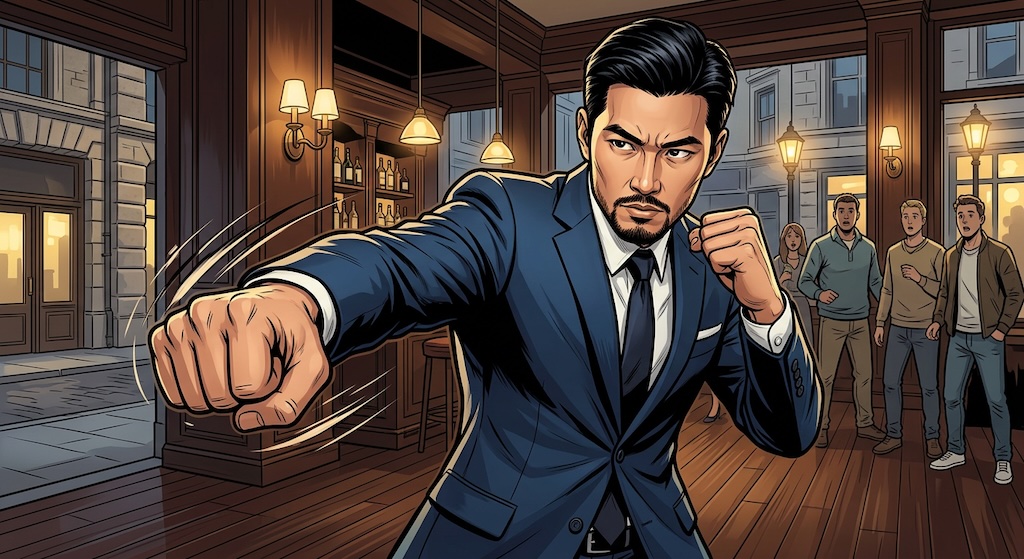

Most men throw a punch wrong, all arm and no hips. Here’s the stance, fist alignment and mechanics that work, and when to use them.
Look, most blokes throw a punch like they’re auditioning for a community theatre production of West Side Story. They wind up like they’re going for a home run, or flail about like an extra in a straight-to-streaming action film. Whether you’re prepping for genuine self-defence or simply want the quiet confidence of knowing you could handle yourself if it came to it, getting the mechanics right is the difference between “combat-ready” and “compound fracture.”
This isn’t about starting anything (a smart man will do what he can to avoid physical confrontation). It’s about finishing it, cleanly, on the rare occasion you have no other choice. Think of it less as violence, more as a highly specific skill set, like knowing how to properly fold a pocket square, except this one stops a man from rearranging your face.
Master Your Stance First (Everything Else Collapses Without It)
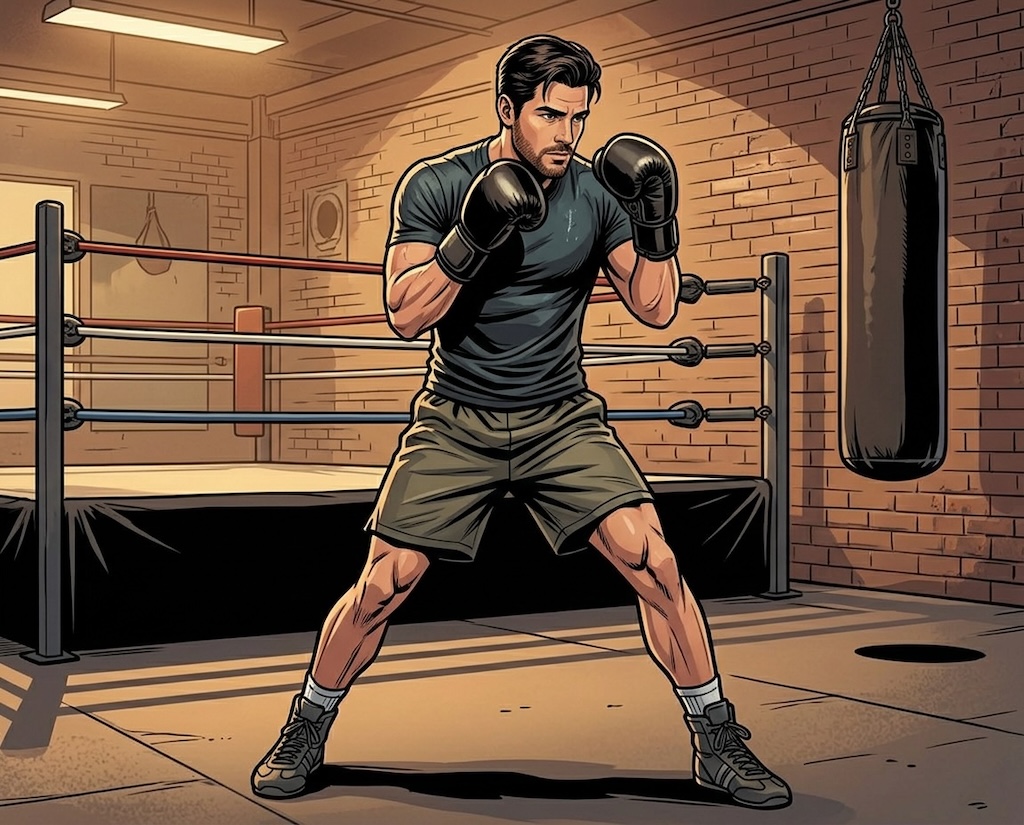
First you’ll want to assume the right stance, which means feet shoulder-width apart, knees soft, and your weight on the balls of your feet so you can actually move. Right-handed? Left foot forward, right foot back at roughly 45 degrees, shoulders relaxed but squared, chin tucked slightly, hands up guarding your face, and elbows tucked in tight. All of this is to help reduce damage, but if you put on your war face, it may de-escalate things before they get even more heated.
Remember, handsome, you’re not posing for a Tinder profile. You’re coiled. You’re loaded. You’ve become a gentleman-shaped spring. Drop your hands or stand flat-footed and you might as well be wearing a sign that says “please hit me first”, and someone will happily oblige.
How to Make a Proper Fist (Because Apparently This Needs Explaining)

You’re going to need these. Curl your fingers tight into your palm, then wrap the thumb across the top of your index and middle fingers — never tuck it inside, unless you’re actively trying to break it. Keep the wrist dead straight, in line with the forearm, like it’s one solid piece of bone rather than a hinge having a crisis.
On impact, your first two knuckles — pointer and middle — will do the work, so ensure they remain aligned straight through the wrist. Get this wrong, and you’re not throwing a punch; you’re signing up for what doctors charmingly call a “boxer’s fracture”. Nobody looks tough with their hand in a cast, explaining to people it happened at “a bar thing.”
The Real Secret: It’s Not the Arm. It’s the Hips.
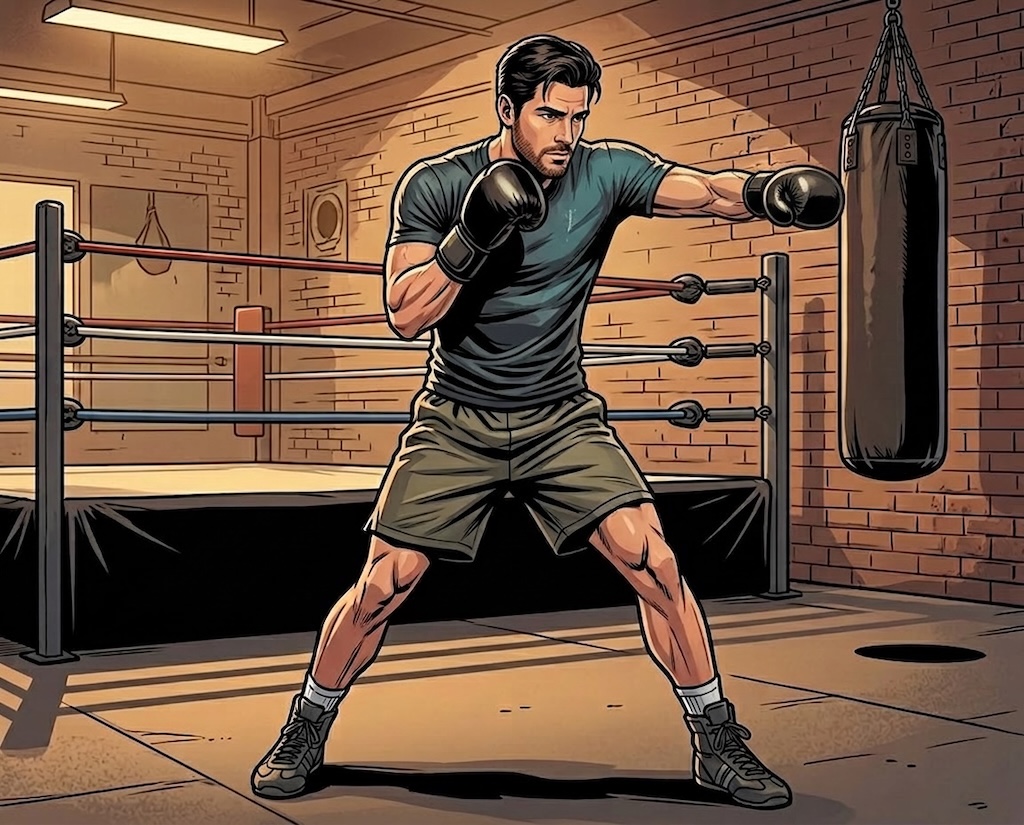
Power doesn’t come from swinging harder with your shoulder — that’s just amateur hour. Real power comes from the ground up. When it comes to conflict, push off the back foot, snap the hips through towards the target, and let the torso and shoulder follow behind it like they’ve got somewhere to be.
For a straight cross off the rear hand, pivot hard on that back foot, like you’re grinding out a cigarette you deeply regret lighting. Extend the arm, rotate the fist so the palm finishes facing down, and drive straight through the target; it’s important to imagine your knuckles finishing six inches past it. Then snap the hand straight back to guard. No looping haymakers, just straight lines and explosive rotation. This is a jab, not an interpretive dance.
Exhale hard on contact because it braces the core and keeps the shoulders from locking up. Stay loose right up until the instant you fire. Tension is the enemy of both speed and power, much like it’s the enemy of a good dinner party.
What an Actual Boxing Coach Would Tell You
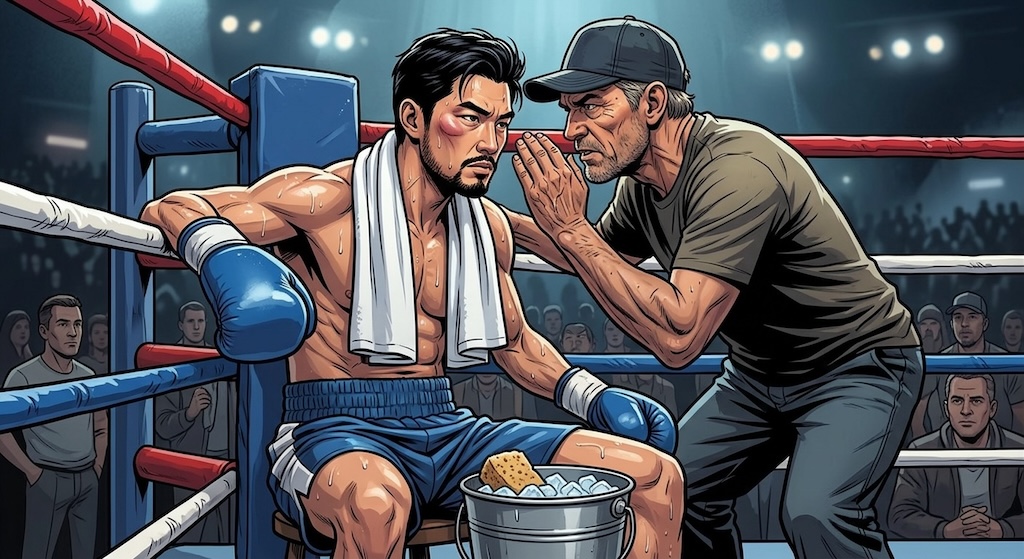
Spend five minutes around a real trainer, and you’ll hear the same four commandments on repeat, because they happen to be true:
- Legs and hips lead, the shoulder simply finishes the job.
- The non-punching hand never leaves your chin. Ever.
- Punch through the target, not politely at it.
- Stay relaxed until the exact moment you commit, then commit fully.
If you’re serious about this, book a few sessions at a proper boxing gym. An afternoon on a heavy bag will teach you more than a year of shadowboxing in front of your bathroom mirror. And wrap your hands and glove up when you train because your knuckles were not designed for repeated punishment, however much your ego insists otherwise.
When You Should — and Absolutely Shouldn’t — Actually Use This
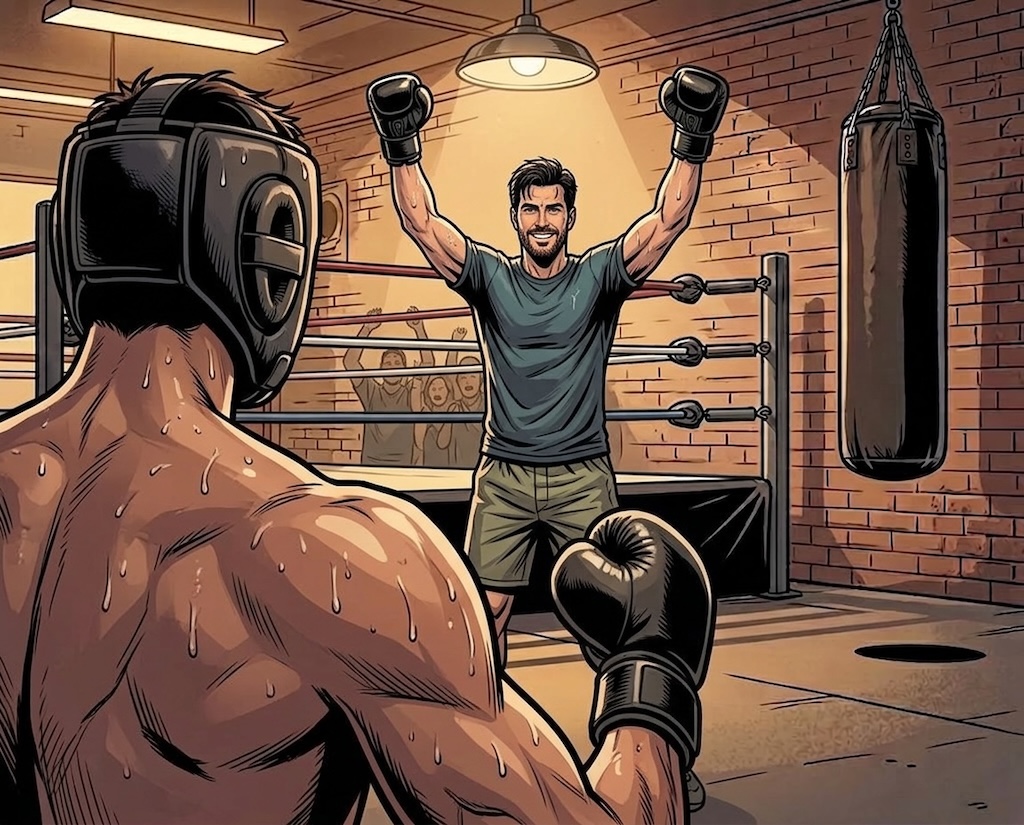
This section matters more than the technique, so pay attention. Throwing a punch is not a personality trait. Legally and practically, it’s reserved for when the threat is real, immediate, and you genuinely cannot walk away. There needs to be someone swinging at you, or at someone you care about, with clear intent to do damage. Despite all the social media videos of guys in verbal altercations punching first and walking away carefree, the law punches much harder in response.
Loud talk, chest-bumping, some drunk stranger performing outrage in your general direction? Simply walk away or de-escalate. The moment you throw the first punch in a situation that didn’t require it, you’re the aggressor on paper — and that’s a legal mess no amount of good form gets you out of. Your ego is not worth a police report, a lawsuit, or a very awkward conversation with a magistrate. Genuine strength includes the discipline to not use it.
Don’t Break Your Own Hand, Seriously
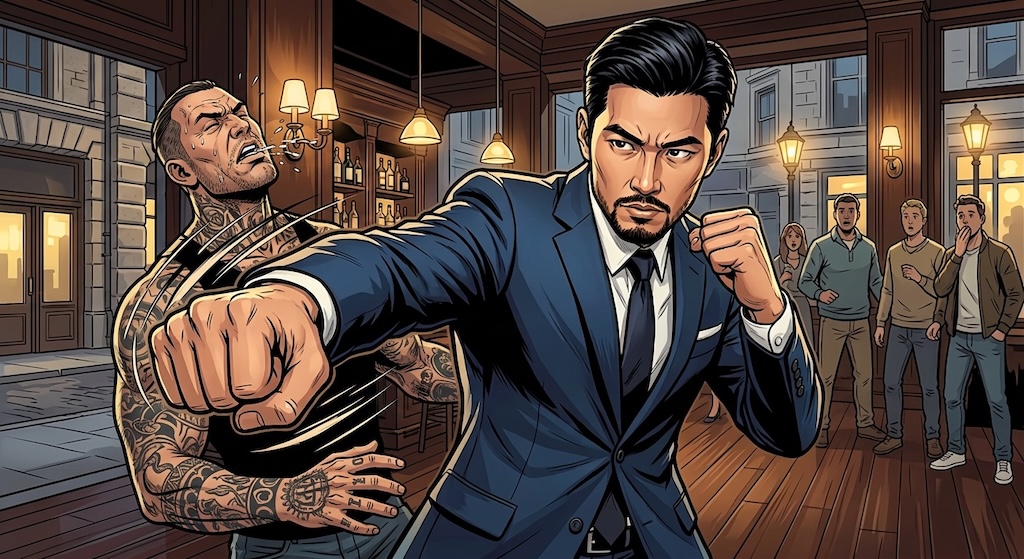
The fastest way to turn a good punch into an emergency room visit is bad alignment. Wrist straight, knuckles square, and don’t be a hero by aiming for the hardest part of someone’s skull with a bare fist; that’s how tough guys end up explaining a hand X-ray. Go for softer targets where possible: the jawline, the temples, the often-unprotected solar plexus. Retract quickly so you’re not left exposed. And train on pads or a bag before you ever need this for real, as a bit of wrist and forearm conditioning goes a long way.
The Part Nobody Mentions: Composure Is the Real Flex
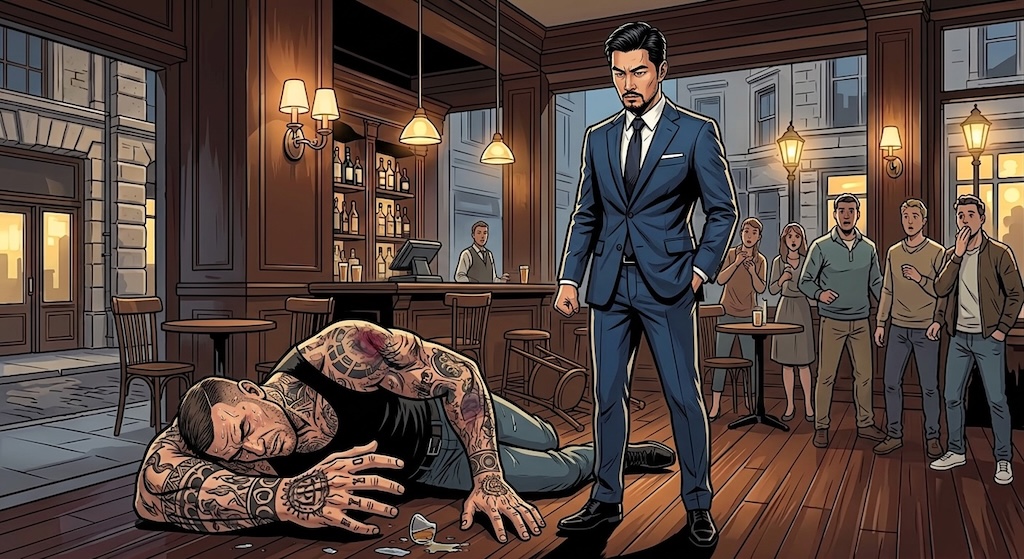
Here’s the detail most guides skip entirely. A man who actually knows what he’s doing doesn’t look frantic mid-altercation. His shoulders stay loose, his eyes stay locked, his movements stay controlled. He throws the shot, resets his guard, and carries himself like the situation is already handled — because if handled correctly, it probably is.
Once you’re shown your resolve, straighten up, roll the shoulders once, and keep your voice low, if you say anything at all. That calm afterwards lands harder than the punch itself — it tells everyone in the room you didn’t lose your head, you simply handled business. People notice. That’s the whole game.
The Bottom Line

Throwing a proper punch was never about proving anything on a random Tuesday. It’s insurance, the kind you hope to never file a claim on. Master the stance, the fist, the hip drive, and above all, the restraint to only use it when there’s genuinely no alternative. Put in the gym time, drill it until it’s instinct, and carry yourself like a man who never needs to throw a punch — right up until the one day he does.
The best punch you will ever throw is the one you never had to. But if that day comes, make it count.