

From the bone-cold grain vodkas of Russia and Poland to the elegant rice distillates of Japan and India’s emerging craft scene, vodka is a far more nuanced spirit than its reputation suggests.
Why Vodka Deserves a Second Look
Vodka has a reputation problem. For a generation raised on cheap shots and sugary premixes, it became the spirit you drink to get drunk rather than the spirit you drink to taste something. That’s a shame and increasingly, it’s inaccurate.
The best vodkas in the world are extraordinary things: clean without being bland, precise without being cold, subtle without being nothing. They carry the fingerprint of their raw material — the minerality of a Polish rye, the creamy weight of a Scandinavian potato, the silk of a Japanese rice distillate — and they reward the kind of attention we more readily give to whisky or gin.

Over the past decade, craft distilling has given vodka new energy. Small-batch producers across Europe, the United States, and increasingly Asia are rethinking what the spirit can be, pushing base ingredients, water sources, and distillation methods to produce vodkas with genuine character. The result is a category worth taking seriously again.
Below, we break down the five essential styles of vodka, with five key bottles for each, including some of the most exciting producers to emerge from Asia. We’ve also answered the questions about vodka that people actually search for, from the best vodka for a martini to whether vodka goes off.
Russian-Style Grain Vodka — The Gold Standard
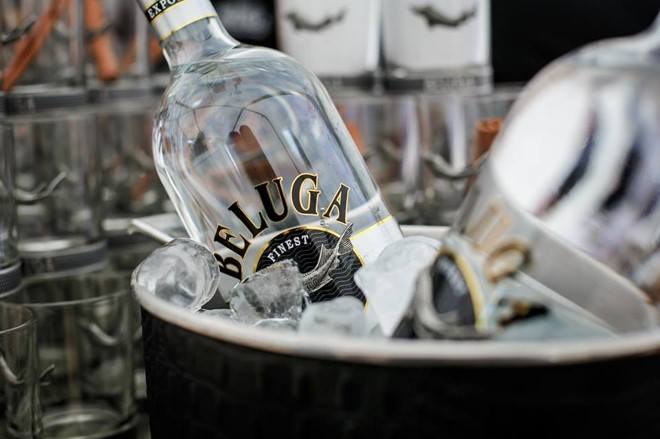
Russia didn’t invent vodka as that argument belongs to Poland too, and the historical dispute has been running for centuries — but Russia did define what the world thinks vodka should taste like: crystal-clear, almost neutral, with a clean heat and an exceptionally smooth finish built for ice-cold shots or the simplest of highballs.
Russian-style grain vodka is typically made from wheat, sometimes with added barley or corn, distilled to a very high proof and then filtered — often through charcoal, quartz, or silver — to strip away impurities. The result is a spirit of deliberate restraint: you’re not supposed to taste much, but what you do taste should be faultless.
5 Russian-Style Vodkas Worth Drinking
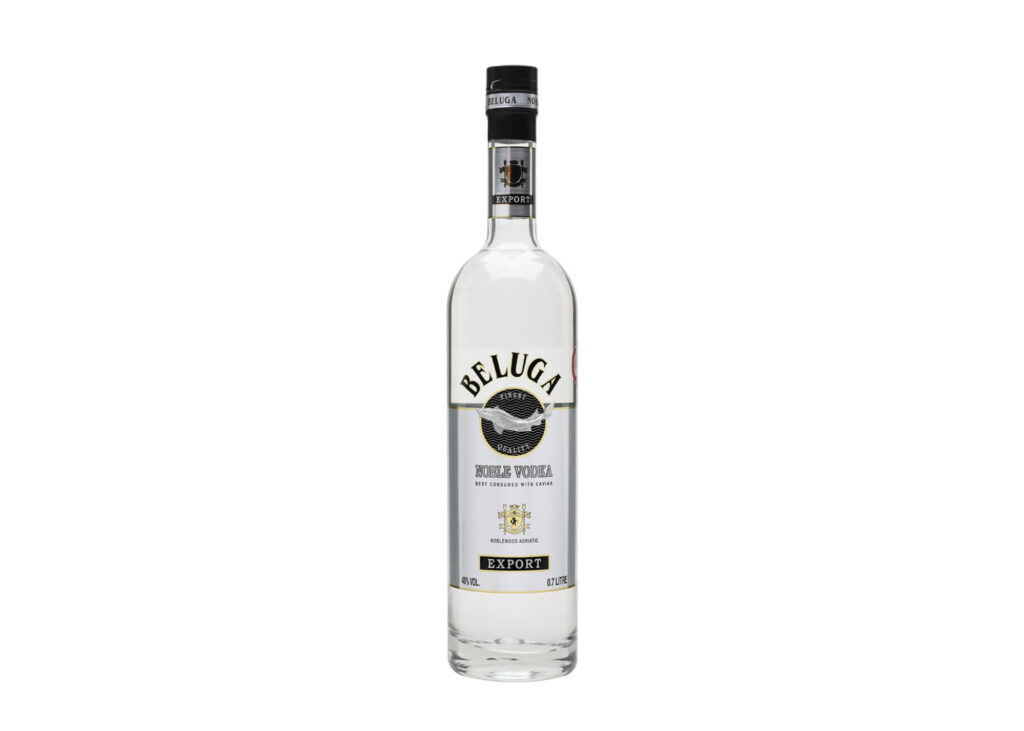
Beluga Noble Russian Vodka (Russia)
Made at the Mariinsk Distillery in Siberia using artesian well water and a malt spirit base, Beluga is the bottle that changed many people’s minds (including my own) about Russian vodka. It’s rested for 30 days after distillation to allow the spirit to “breathe” and integrate — an unusual step for a vodka — and the result is noticeably more rounded and textured than most. You’ll notice a hint of cream, a trace of vanilla, and a long, clean finish. Sipped chilled, it’s genuinely impressive.
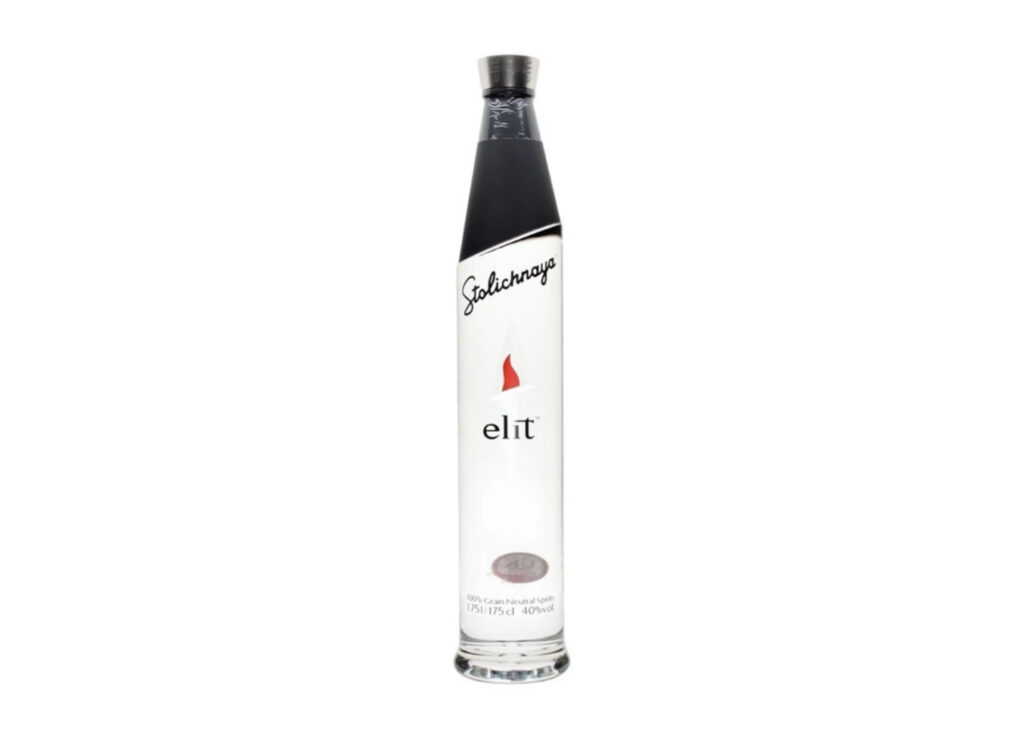
Stolichnaya Elit (Russia/Latvia)
The premium expression of one of Russia’s most recognisable vodka brands, Elit undergoes a freeze-filtration process: the vodka is chilled to -18°C, causing impurities to crystallise and fall out of suspension, before being carbon-filtered. The result is exceptional purity with a subtly sweet, slightly viscous character. Try it ice-cold in a shot glass — the traditional Russian way — and you’ll find it’s as close to flawless as grain vodka gets.
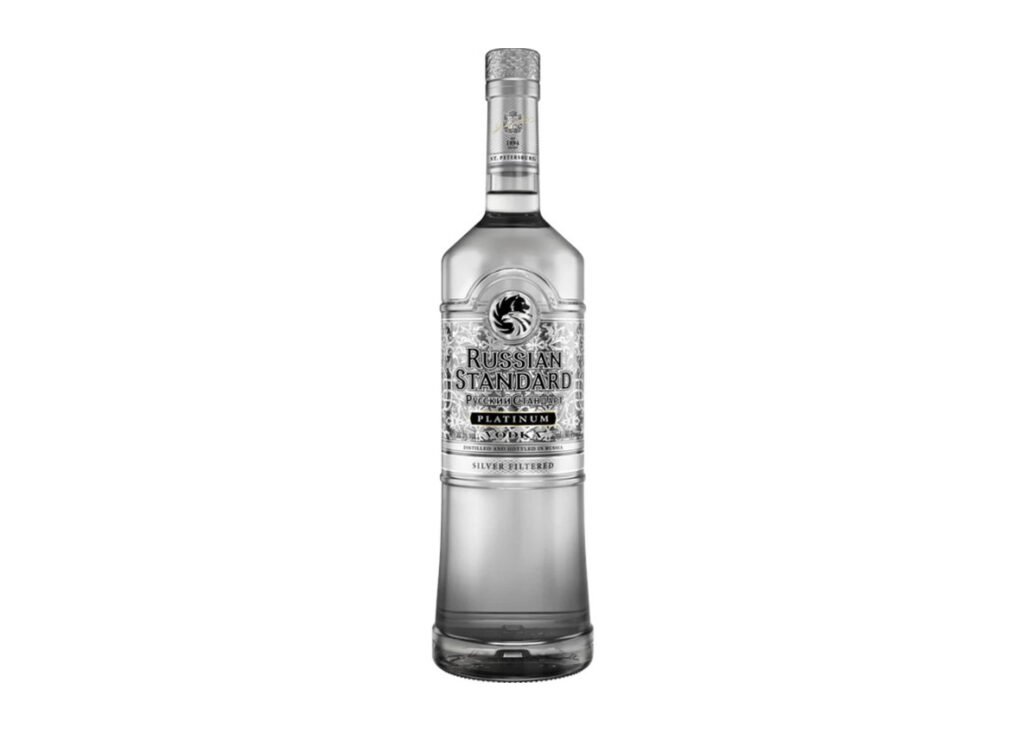
Russian Standard Platinum (Russia)
Igor Tokarev’s Russian Standard brand set out in 1998 to create a vodka that met a specific historical standard: the formula approved by Russian chemist Dmitri Mendeleev (yes, the periodic table man) in 1894 for what Russian vodka should be. My favourite, the Platinum expression — triple-distilled, filtered through charcoal and quartz crystal — delivers on that ambition. Clean, precise, with a barely perceptible sweetness on the finish.
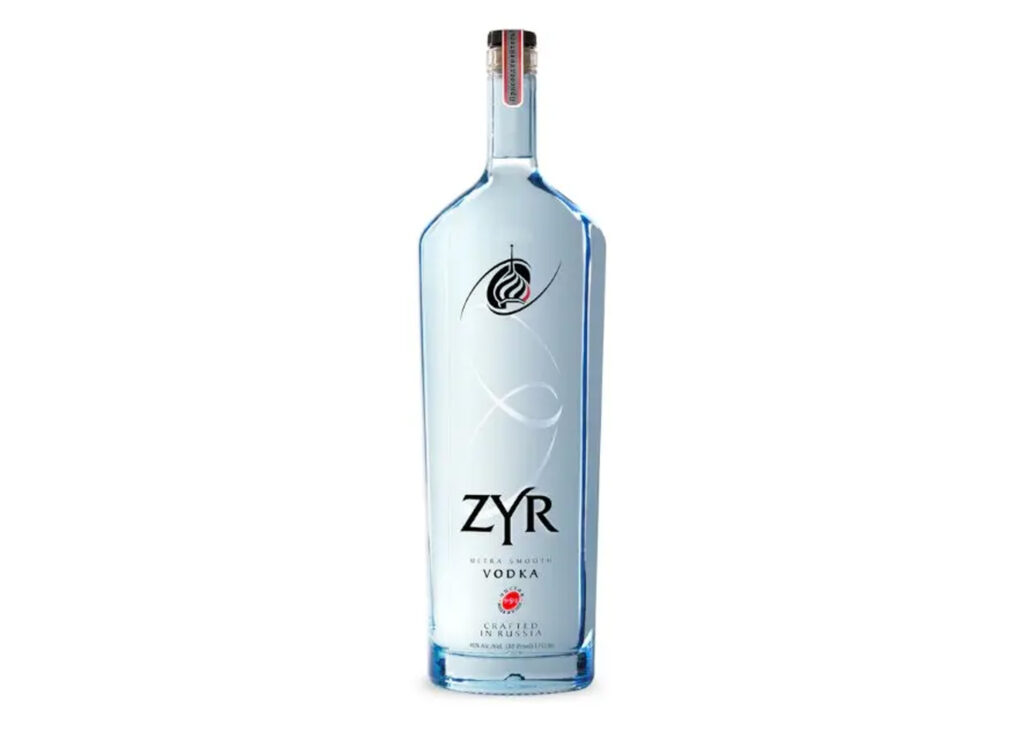
Zyr Russian Vodka (Russia)
A lesser-known name outside of serious spirits circles, Zyr was made in Russia until the sanctions led to production shifting to the US. However, the recipe stays the same, with a blend of winter wheat and rye distilled nine times and filtered five. It’s an intensely clean vodka with a silky texture and almost no burn — the kind of vodka that makes a particularly elegant vodka soda, or a martini you could drink two of without noticing. Highly recommended and underpriced for its quality.
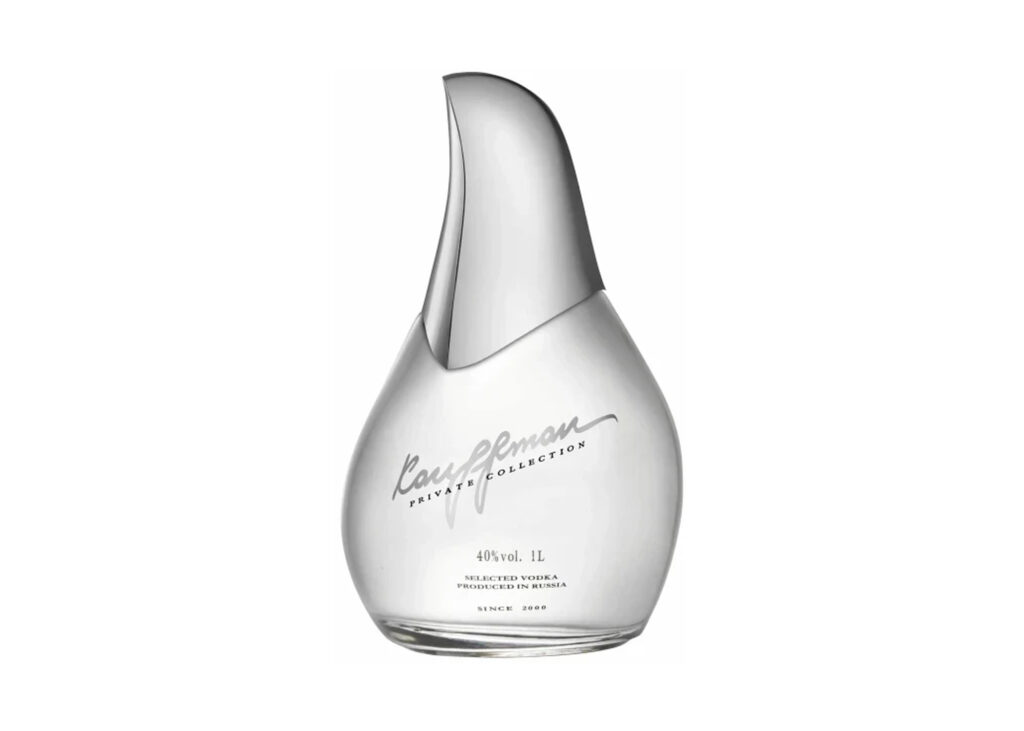
Kauffman Private Collection Vintage Vodka (Russia)
Arguably the most unusual entry in this category: a vintage-dated vodka. Kauffman selects wheat from a single harvest year and produces a limited run of vodka from it, noting the year on the label like a wine producer. Each vintage tastes slightly different depending on that year’s grain. This is a collector’s item and a conversation piece, but also — genuinely — a very good vodka.
Polish Rye Vodka — Character in a Glass

If Russia defined vodka’s neutrality, Poland defined its character. Polish rye vodka occupies a distinct lane: it has flavour. The rye grain gives a spicy, slightly earthy quality — not as dramatic as rye whiskey, but unmistakably there — along with a dry, almost peppery finish and a texture that coats the palate in a way that wheat-based vodkas rarely do.
Poland’s vodka-making traditions are among the oldest and most codified in the world. The country has strict regulations governing what can be called Polish vodka (the base grain or potato must be grown on Polish soil), and its best producers treat the craft with an almost artisanal seriousness.
5 Polish Rye Vodkas Worth Drinking
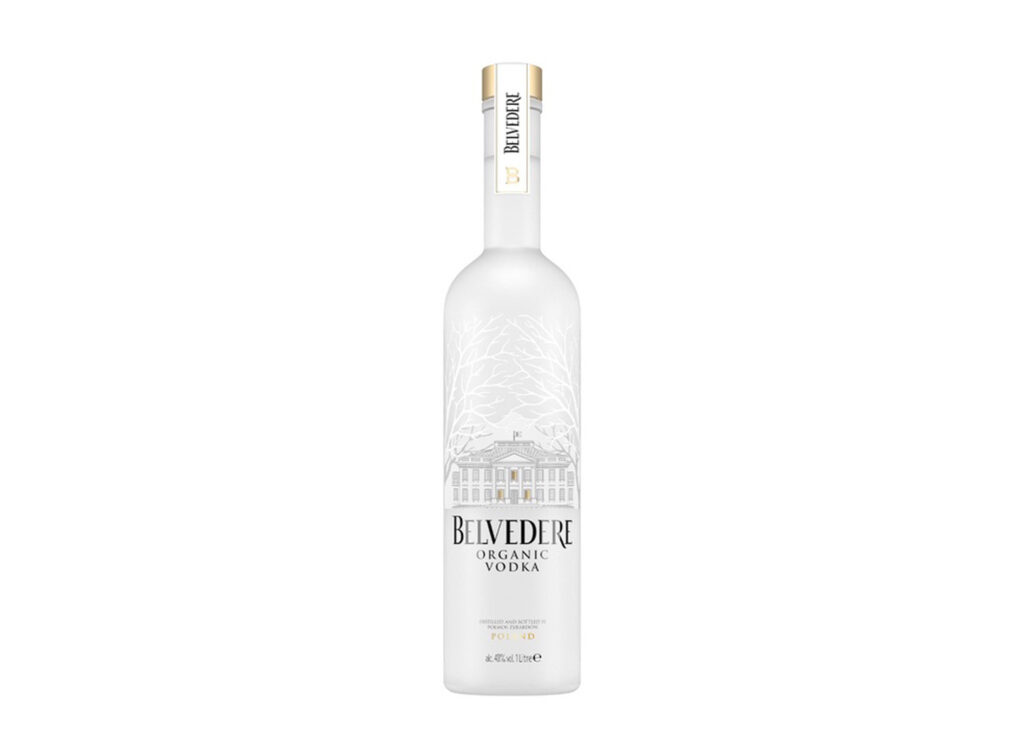
Belvedere Vodka (Poland)
Made at the Polmos Żyrardów distillery from Dankowskie Gold Rye — a single variety grown in the Mazovian plains — Belvedere is the vodka that taught the Western world that Polish rye was worth paying attention to. The rye character here is real: a gentle spice, a creamy midpalate, and a clean, warming finish. It’s also unusually versatile and works as well in a martini as it does in a vodka tonic.
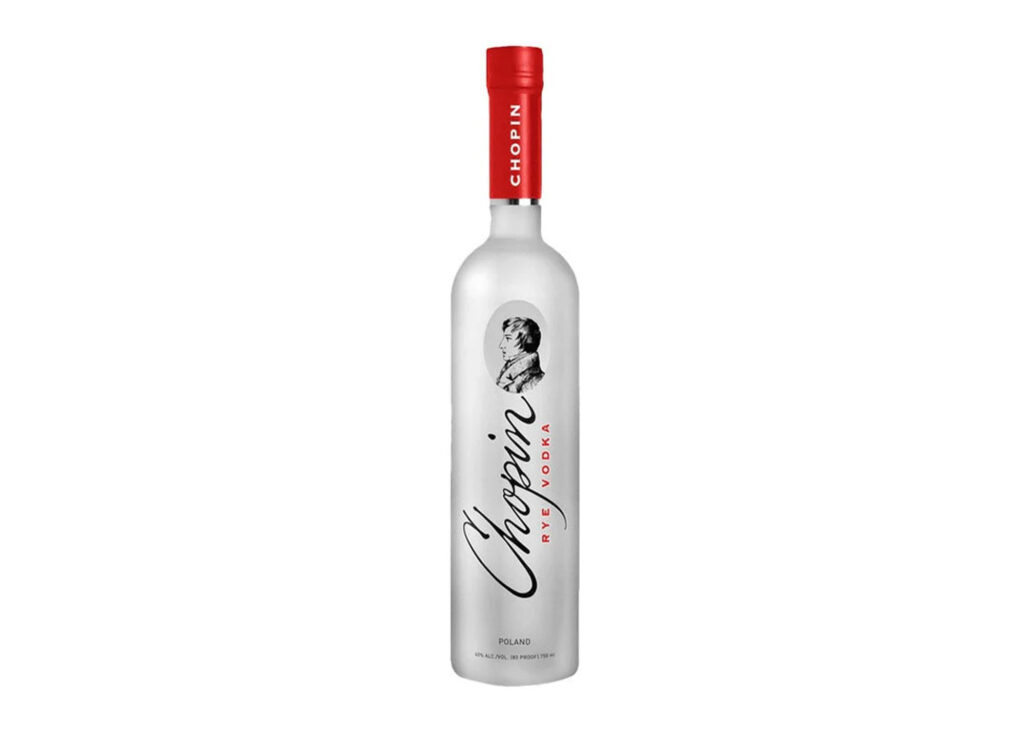
Chopin Rye Vodka (Poland)
The Chopin distillery makes vodka from three separate base ingredients — potato, wheat, and rye — and bottles each one distinctly, making them an ideal education in how raw material shapes flavour. The rye expression is the most assertive: dry, slightly grainy, with a pronounced pepper note and excellent length. Side by side with the potato expression, the difference is startling.
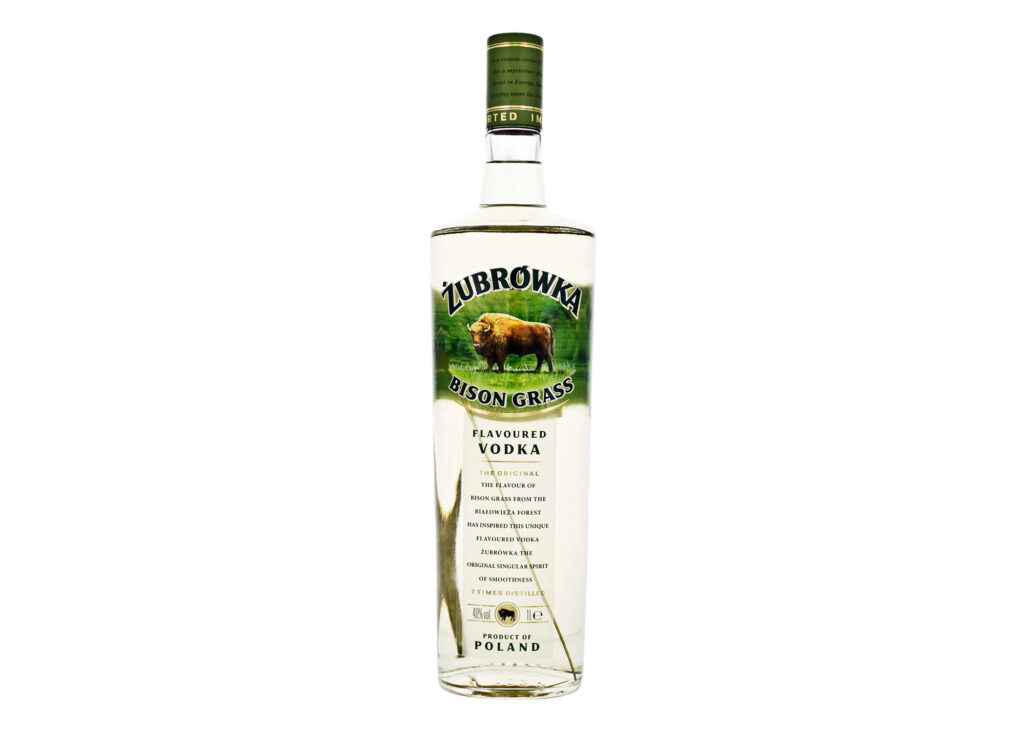
Żubrówka Bison Grass Vodka (Poland)
Strictly speaking, Żubrówka (another favourite of mine) falls somewhere between a plain rye vodka and a flavoured one: each bottle contains a blade of bison grass from the Białowieża Forest, a UNESCO World Heritage Site. The grass infuses a distinctive flavour — vanilla, freshly cut hay, almond — that makes Żubrówka one of the most individual vodkas in the world. The classic Polish serve is with cold apple juice: the Tatanka, or as Poles call it, szarlotka. Try it once, and you’ll make it forever.
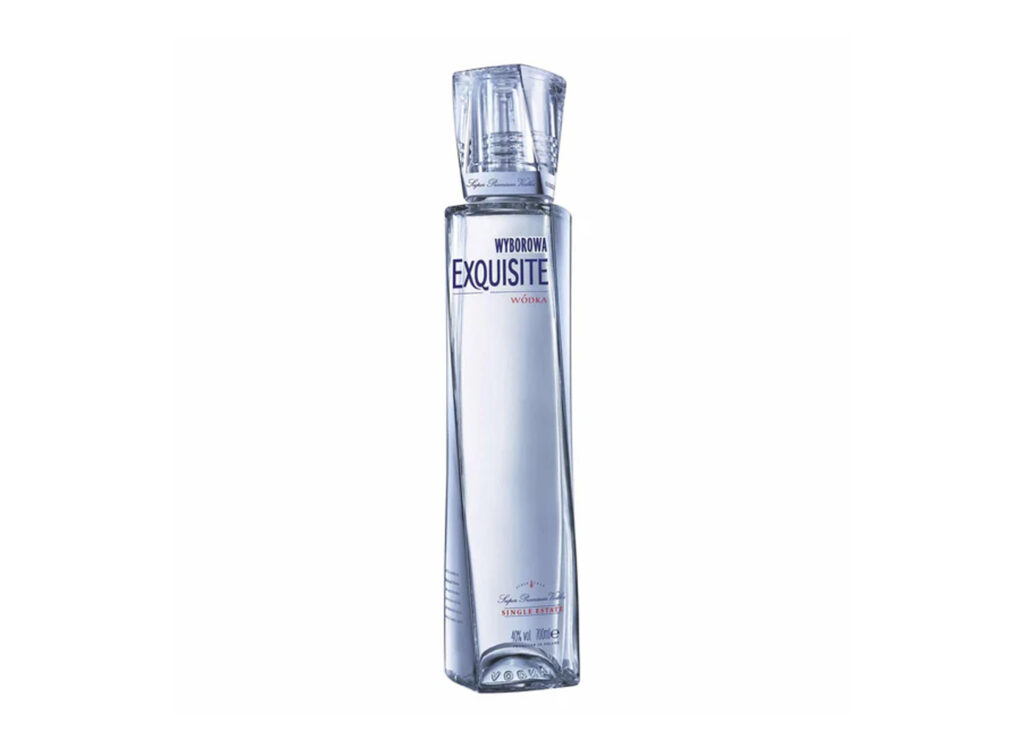
Wyborowa Exquisite Single Estate Rye (Poland)
Wyborowa (the name means “exquisite” in Polish) has been making rye vodka since 1823, making it one of the oldest vodka brands still in production. The Single Estate expression narrows the focus further: a single farm, a single rye variety, traceable from field to bottle. The result is a textbook Polish rye — dry, elegant, with backbone — at a price that makes it one of the best value premium vodkas available.
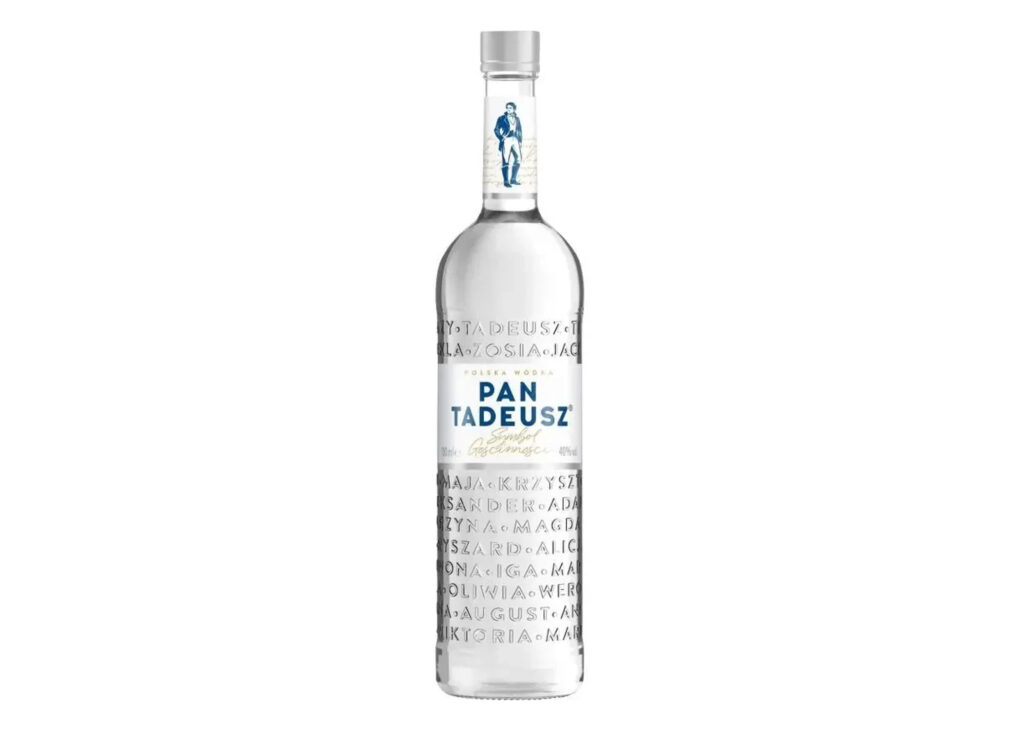
Pan Tadeusz Premium Rye Vodka (Poland)
Named after Adam Mickiewicz‘s epic 19th-century poem about the Polish-Lithuanian nobility, Pan Tadeusz is less well-known internationally but beloved in Poland for good reason. Quadruple-distilled from a single rye mash and filtered through silver, it’s a silky, slightly sweet rye vodka with genuine elegance. Think of it as a quiet achiever.
Potato Vodka — Rich, Creamy, Underrated

The potato arrived in Europe from the Americas in the 16th century, and Eastern European distillers quickly discovered that its high starch content made for excellent spirit. Potato vodka has a distinctive character that sets it apart from all grain-based alternatives: a creamier, fuller mouthfeel, a slightly earthier flavour, and a richness that makes it particularly well-suited to sipping neat or in cocktails where texture matters.
It’s also — and this surprises many people — gluten-free, making it the natural choice for coeliacs who don’t want to compromise on quality.
5 Potato Vodkas Worth Drinking
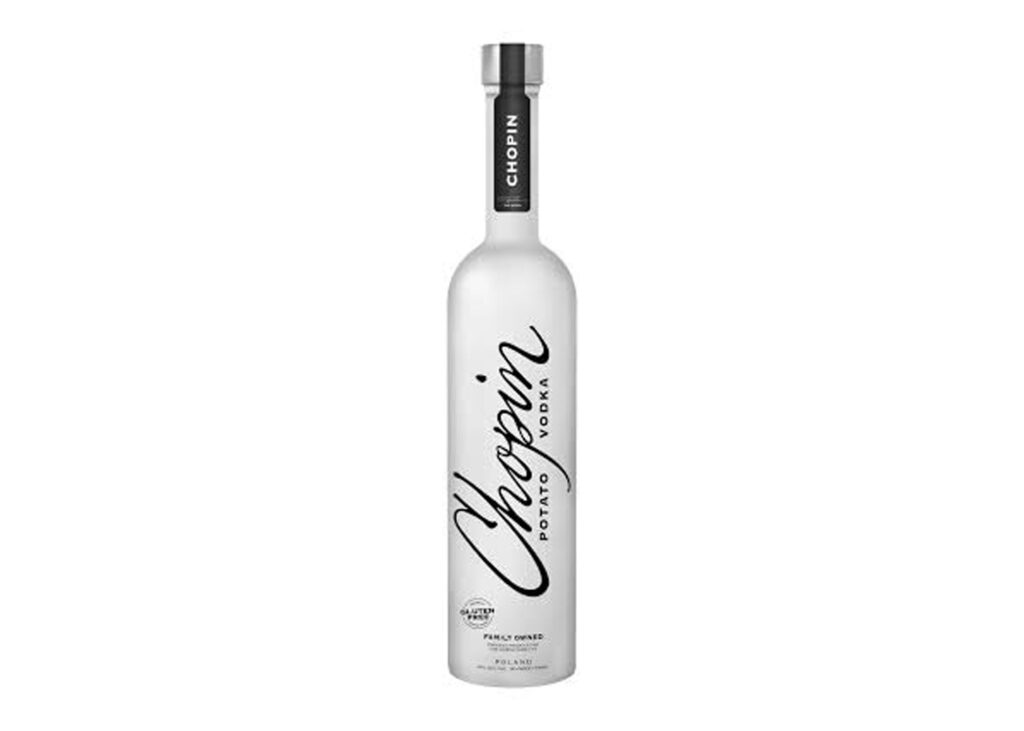
Chopin Potato Vodka (Poland)
The clearest argument for potato vodka being a serious category unto itself. Chopin’s potato expression is made from Stobrawa potatoes grown in Poland’s Podlaskie region, and the difference from grain vodka is immediately apparent on the nose: richer, earthier, with a distinctive creaminess. On the palate, it’s full, smooth, and slightly sweet, with a lingering warmth. Exceptional in a vodka martini.
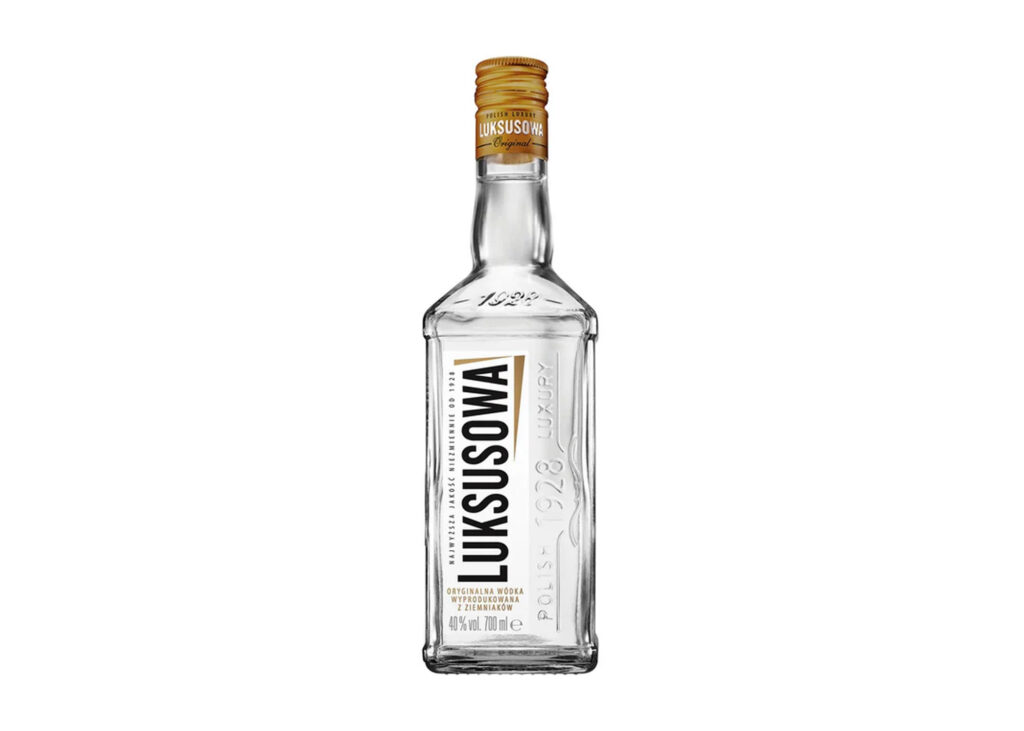
Luksusowa (Poland)
The name means “luxury” in Polish, and at its price point — typically very affordable — Luksusowa makes a strong case that potato vodka doesn’t have to cost a fortune to be excellent. Triple-distilled, made from Polish potatoes, and filtered through birch charcoal, it punches well above its weight with a clean, creamy character and minimal burn. This is the home bartender’s secret weapon.
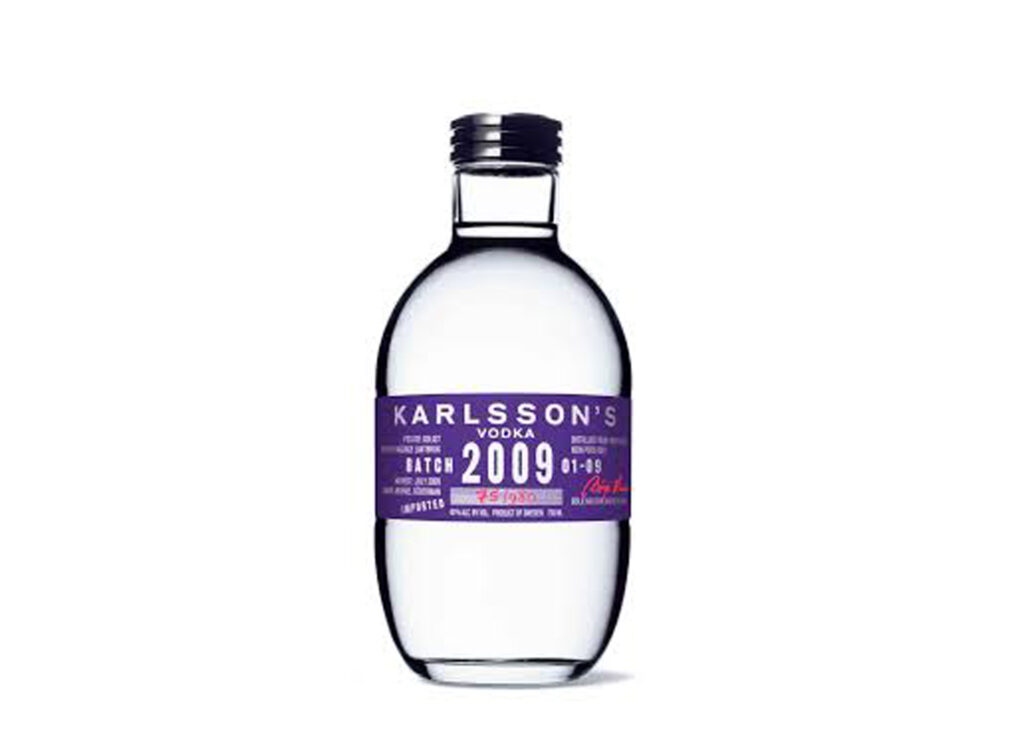
Karlsson’s Gold Swedish Vodka (Sweden)
This outlier is a Swedish potato vodka made from seven varieties of new-season potato — including the Gammel Svensk Röd and the Hamlet — harvested fresh and distilled only once. Single distillation is almost unheard of in the category, and it gives Karlsson’s a raw, rich, distinctly earthy quality that divides opinion but wins devotees. This is a potato vodka that tastes aggressively of potato, which is precisely the point.
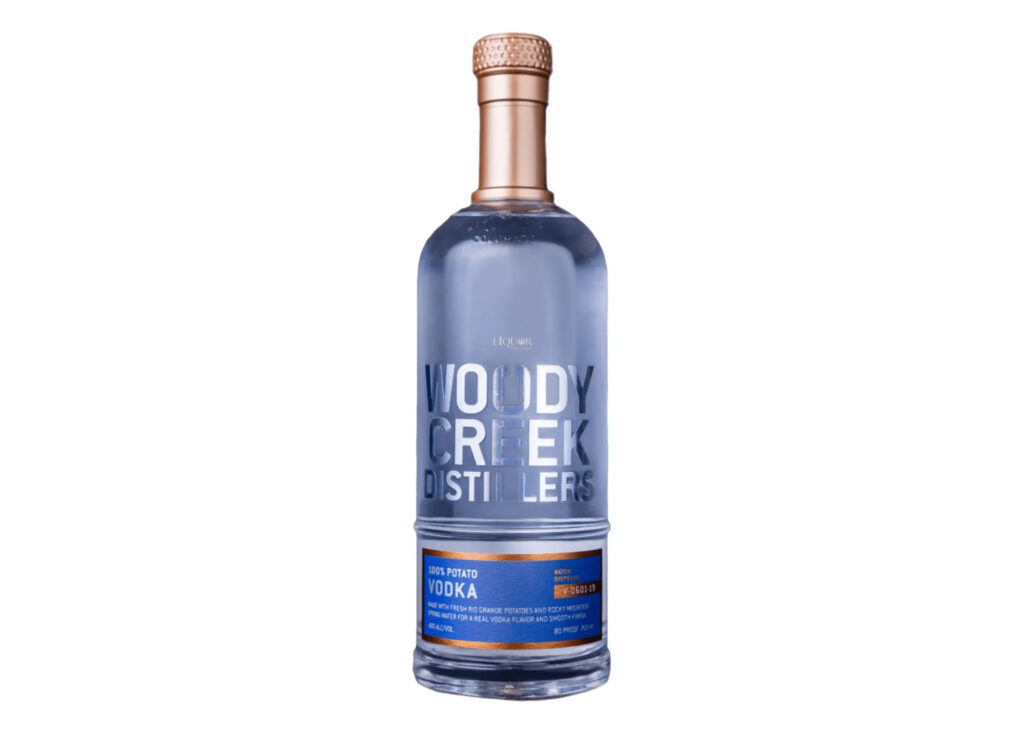
Woody Creek Colorado Potato Vodka (USA)
From a small farm-to-bottle distillery in Basalt, Colorado, Woody Creek grows its own Russet potatoes at elevation and distils them in-house. The result is a craft potato vodka with real personality: slightly herbaceous, with a sweet, creamy weight and a long, clean finish. This is a standout from America’s growing craft vodka movement.
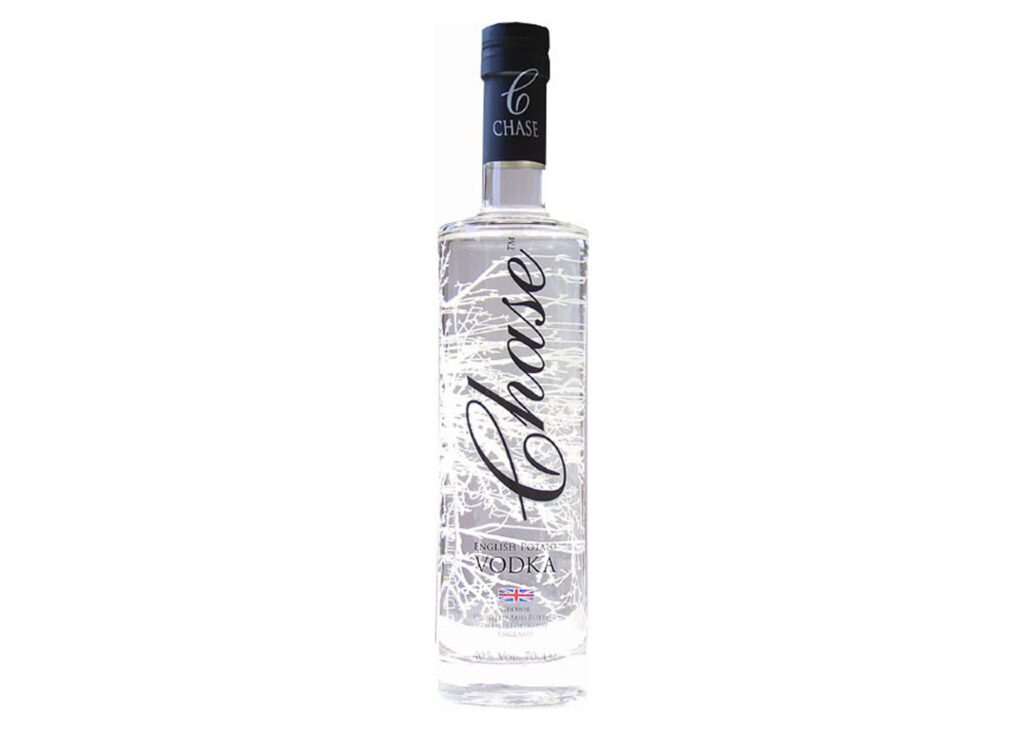
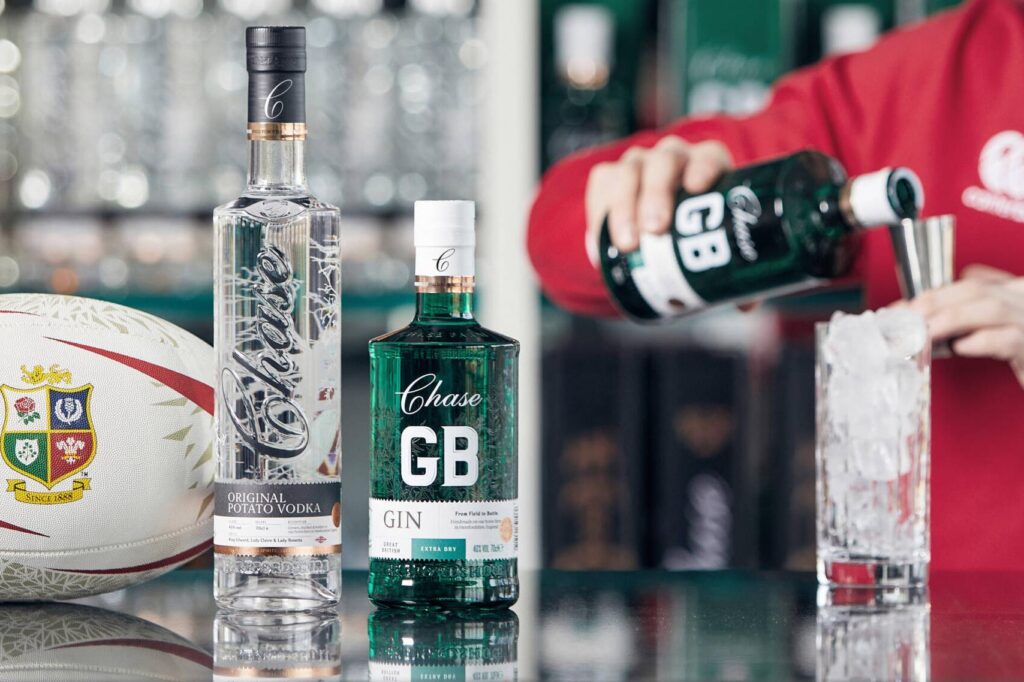
Chase Original Potato Vodka (England)
William Chase sold Tyrrells Crisps (a major UK snack brand) and used the proceeds to build a distillery on his Herefordshire farm. The potatoes grown on that same farm now go into Chase vodka: a genuinely farm-to-bottle product that carries a warm, biscuity richness and a distinctive flavour profile that has won more international awards than almost any other British vodka. It’s a remarkable story and a very good bottle.
Flavoured Vodka — Beyond the Gimmick

Flavoured vodka gets a bad reputation — and some of it is deserved. The category was badly corrupted in the 2000s by a proliferation of luridly coloured, aggressively sweet products in flavours that had no business being in a bottle of spirits. But good flavoured vodka — the kind made by infusing quality neutral spirit with real fruit, herbs, or spice rather than synthetic flavourings — is a different thing entirely.
The tradition of flavoured vodka is ancient. Poland’s Żubrówka and Russia’s pertsovka (pepper vodka) date back centuries. At their best, flavoured vodkas are sophisticated, versatile spirits that work beautifully in a narrow range of cocktails and deserve a place in any well-stocked drinks cabinet.
5 Flavoured Vodkas Worth Drinking
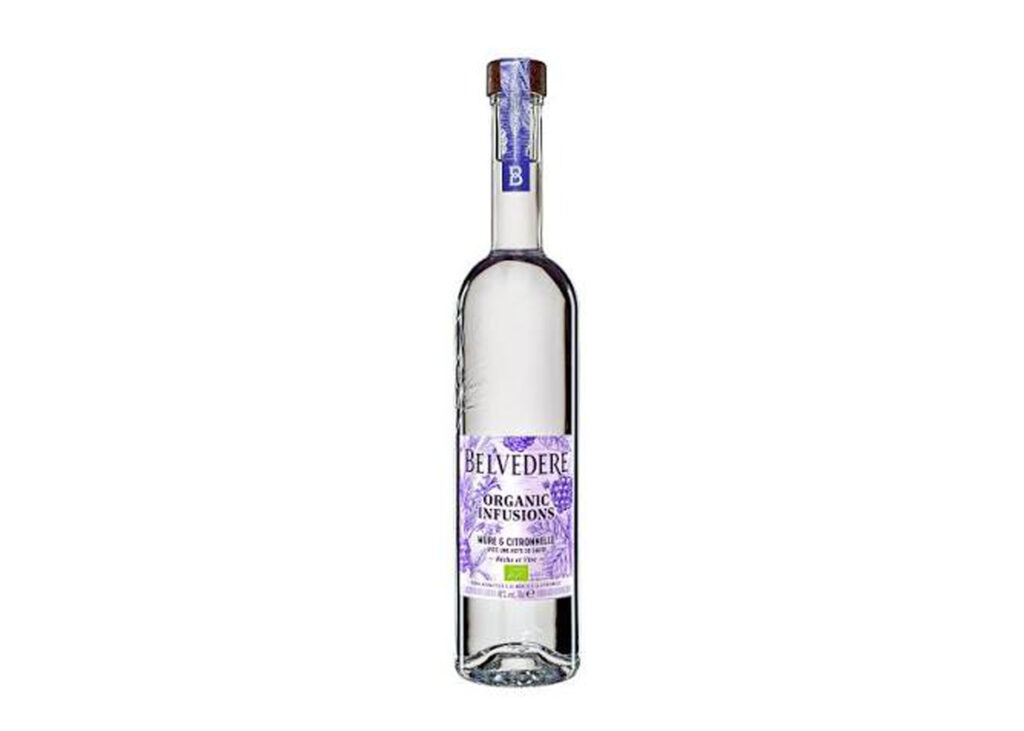
Belvedere Organic Infusions Blackberry & Lemongrass (Poland)
Belvedere’s Organic Infusions line uses only real fruit and botanicals — no sugar, no artificial flavouring — infused into their Dankowskie rye vodka. The Blackberry & Lemongrass expression is the standout: bright, tart blackberry with a clean, herbal lift from the lemongrass, and none of the cloying sweetness that ruins most flavoured vodkas. Over ice with a splash of soda, it’s exceptional.
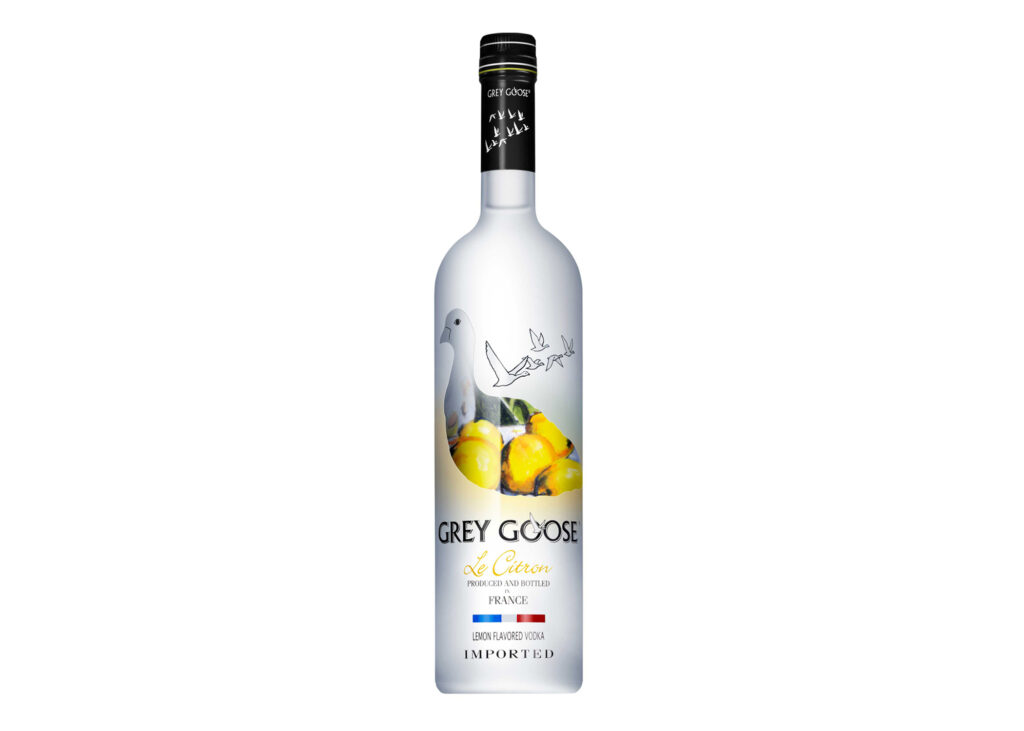
Grey Goose Le Citron (France)
Grey Goose’s lemon expression — made by infusing their wheat vodka with the zest of French Menton lemons, one of the most prized citrus fruits in the world — is the gold standard for citrus-flavoured vodka. It’s bright, naturally tart, and convincingly lemony rather than candy-like. This is the foundation of one of the great Cosmopolitans.
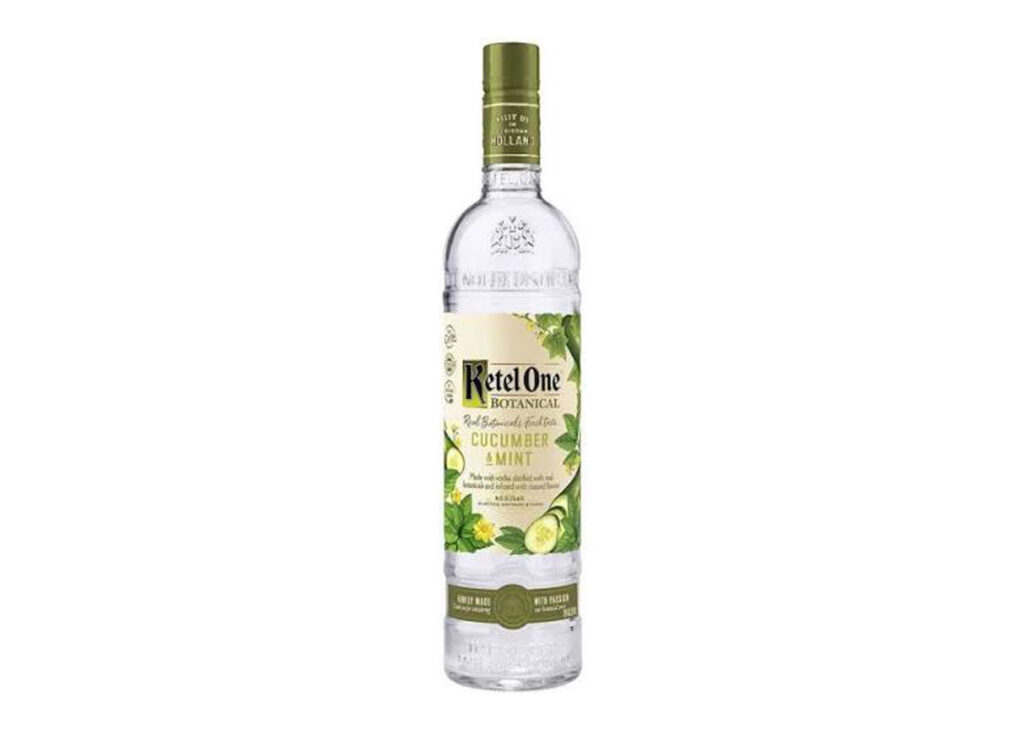
Ketel One Botanical Cucumber & Mint (Netherlands)
Part of Ketel One’s Botanical range, which sits at a lower 30% ABV and is marketed as a lower-calorie option — the Cucumber & Mint expression is made by infusing real cucumber and mint into their wheat vodka. It’s light, genuinely refreshing, and far removed from synthetic flavoured spirits. Take it long with tonic and a slice of cucumber; it’s one of summer’s best drinks.
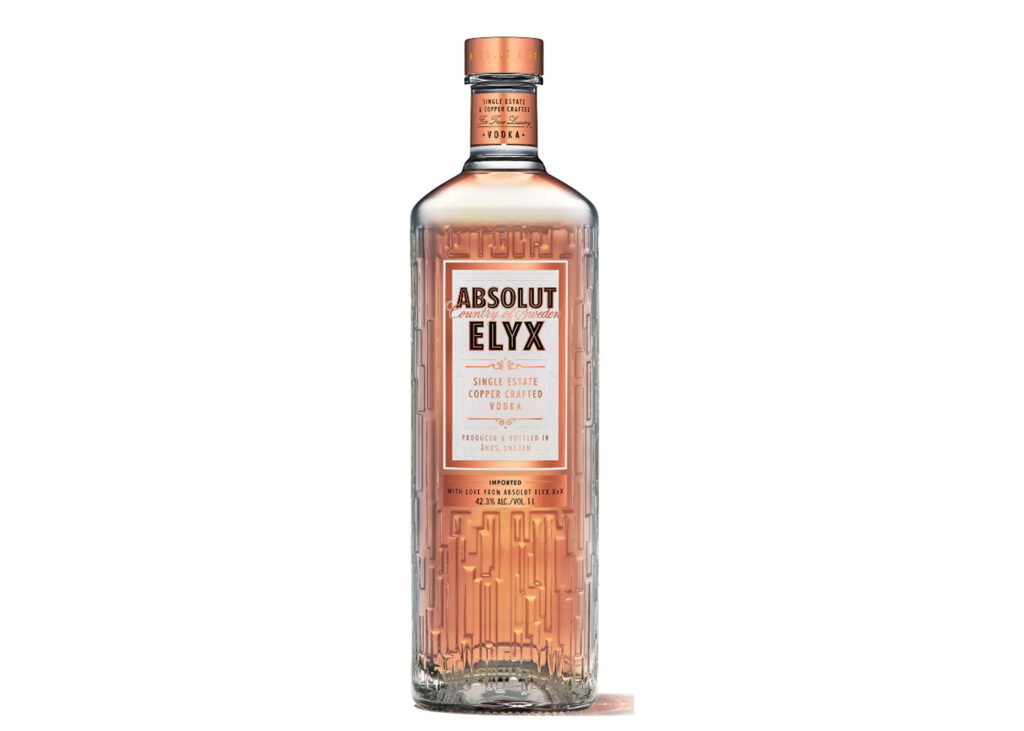
Absolut Elyx (Sweden)
Technically an unflavoured premium expression, but its reputation for exceptional quality makes it worth including here as a benchmark. Made from single-estate winter wheat in Åhus, Sweden, and distilled in a vintage 1921 copper column still, Elyx has a silky, almost buttery texture that gives it an apparent sweetness. The best Bloody Mary base money can buy.
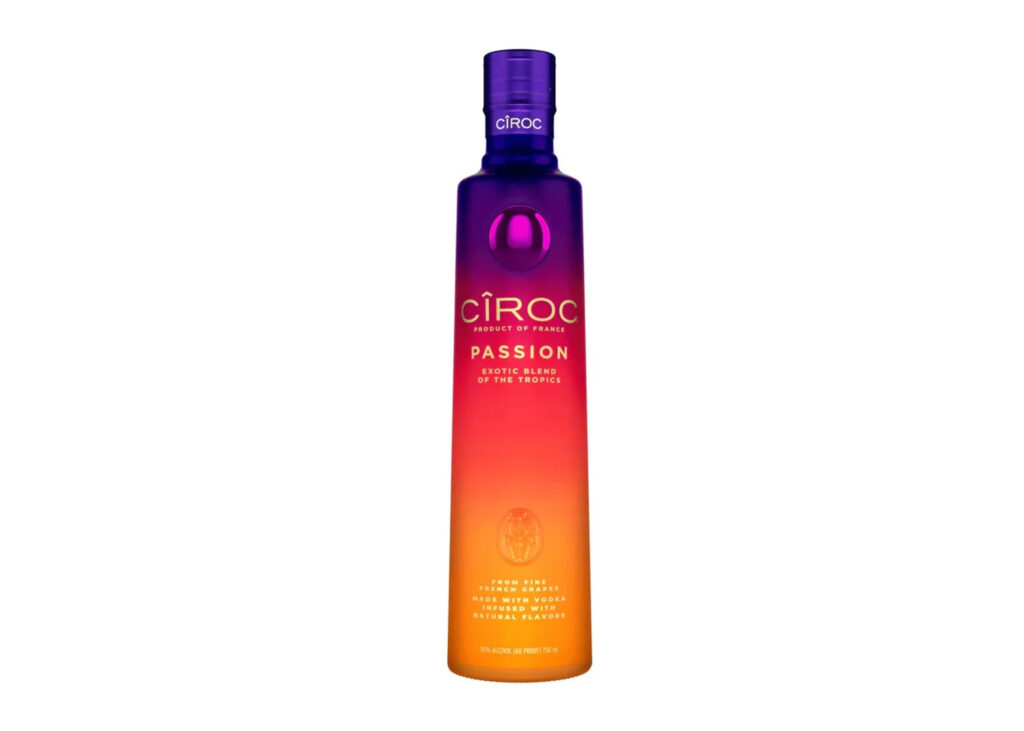
CÎROC Passion (France)
Made from French grapes rather than grain — giving it a naturally smooth, slightly floral base — CÎROC’s Passion expression uses real passion fruit as its flavour base. It’s sweeter than the other entries on this list, but unambiguously better than the cheap flavoured vodkas it superficially resembles. In a simple vodka soda with a squeeze of lime, it sings.
Asian Craft Vodka — The New Frontier
Asia has been quietly building a craft spirits culture for years, and vodka has not been left out. Led by Japan — where the obsession with purity and precision maps naturally onto the demands of the category — and followed by India and across Southeast Asia, Asian craft vodka producers are making some of the most distinctive and interesting bottles in the world right now.
What unifies them is not style but intent: a commitment to exceptional raw ingredients, water purity, and distillation craft that produces vodkas with genuine identity rather than deliberate neutrality.
5 Asian Craft Vodkas Worth Drinking
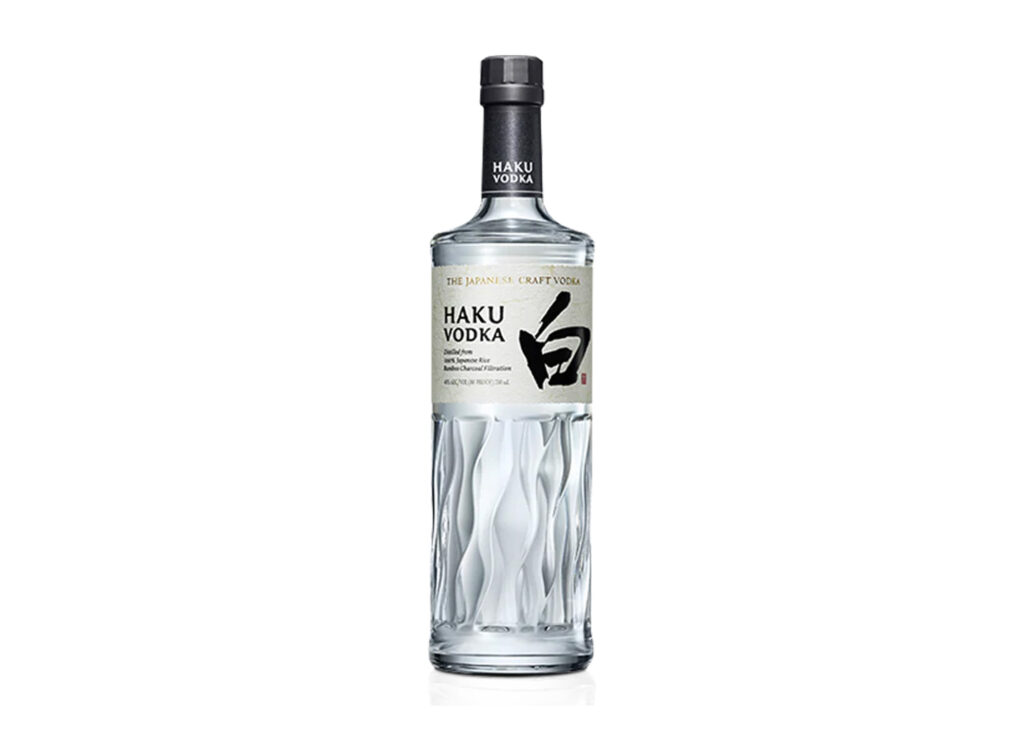
Haku Japanese Craft Vodka (Japan)
Suntory’s entry into the vodka category is, predictably, extraordinary. Haku — meaning “white” in Japanese — is made from 100% Japanese white rice, fermented with koji (the same mould used in sake production) and then distilled in a traditional pot still before being filtered through bamboo charcoal. The result is a vodka unlike anything made in Europe: subtle, round, with a gentle sweetness and an almost silky texture that’s purely Japanese in character. Enjoy it in a martini or chilled neat; it’s revelatory.
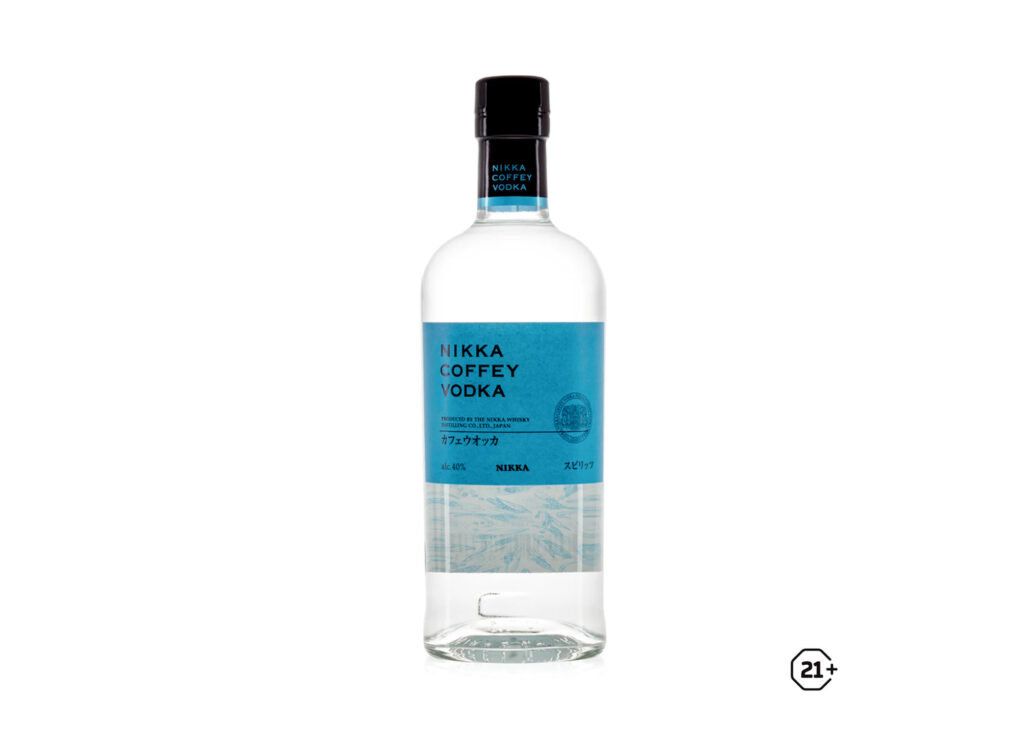
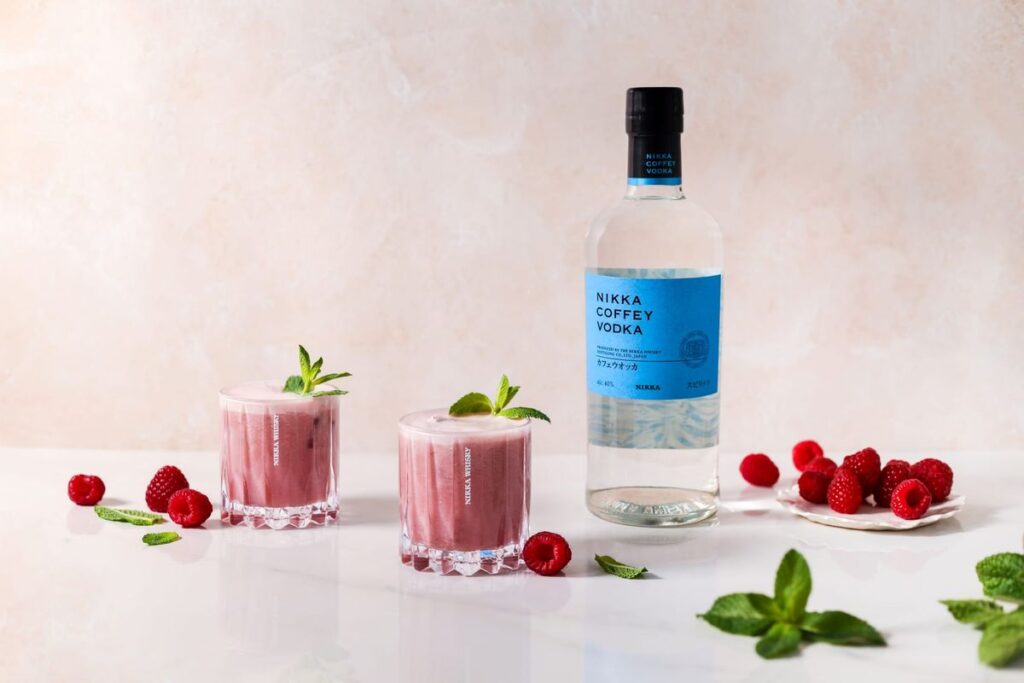
Nikka Coffey Vodka (Japan)
Made in Nikka’s rare Coffey stills — continuous column stills of a design dating back to 1832, prized in the whisky world for producing unusually flavorful spirit — from a mash of corn and barley malt, this is a vodka with more character than almost any other on the market. The Coffey still imparts a rich, slightly sweet, grain-forward quality that makes Nikka’s vodka feel closer to an unaged whisky than a neutral spirit. Controversial, perhaps, but remarkable.
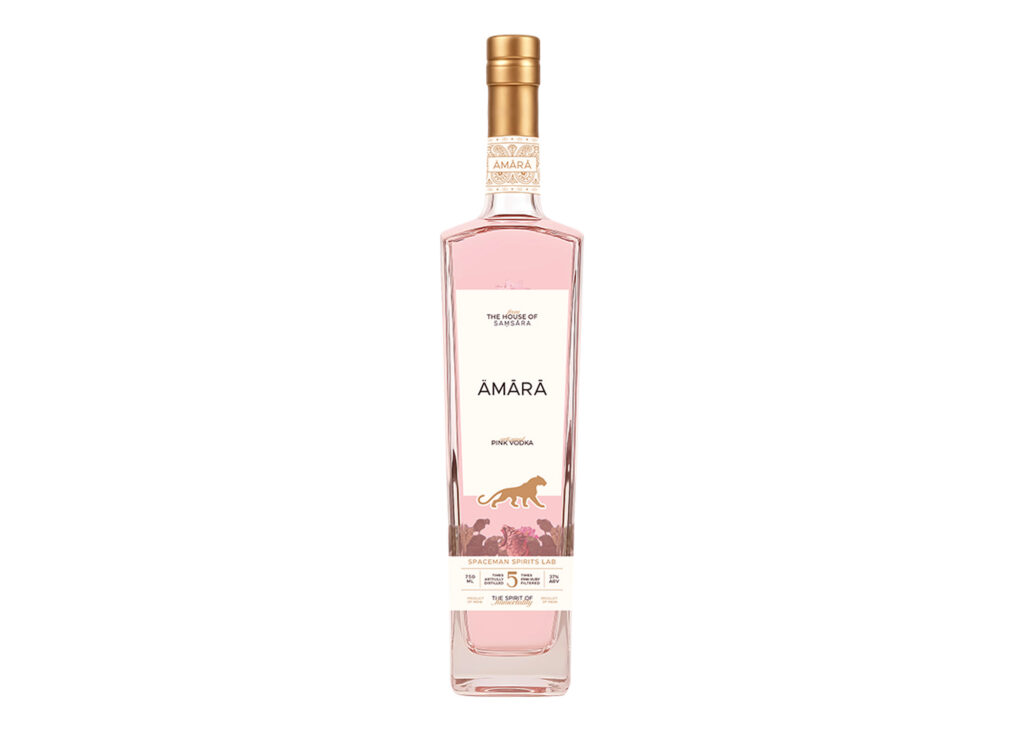
Ämārā (India)
Ämārā, from Goa-based Spaceman Spirits Lab, is billed as India’s first artisanal pink vodka — a fifth-anniversary release under the House of Samsara label (makers of Samsara gin and Sitara rum). Its base spirit is distilled five times from Deccan Plateau grapes and rice, then infused with rose petals, lotus, cherry blossom, strawberry, peach and citrus for its soft pink hue. A standout touch: “ruby filtration,” where the vodka passes over fine pink rubies to strip microscopic impurities, alongside standard carbon and micro-filtration. At 37% ABV, it’s rolling out across India and beyond.
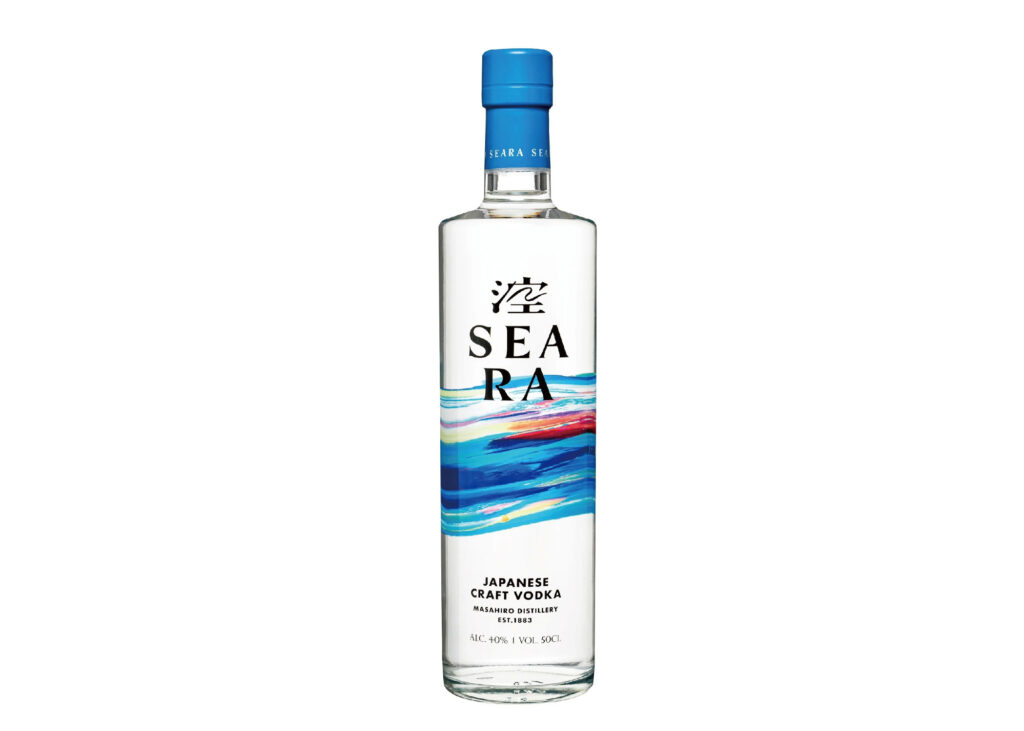
SEARA Japanese Vodka (Japan)
SEARA is an award-winning Japanese craft vodka produced in Okinawa by Masahiro Distillery, a house with over 140 years of Awamori-making heritage founded in 1883 by Shobun Higa. Its name fuses “sea” with “sora” (sky), evoking Okinawa’s tropical horizon. Made from a mash of rice and wheat, fermented with yeast and Okinawan black koji, then double-distilled in a stainless pot still, it’s finished with a meticulous birch filtration for a smooth, subtly sweet character. Expect notes of rice, tropical fruit and mellow florals.
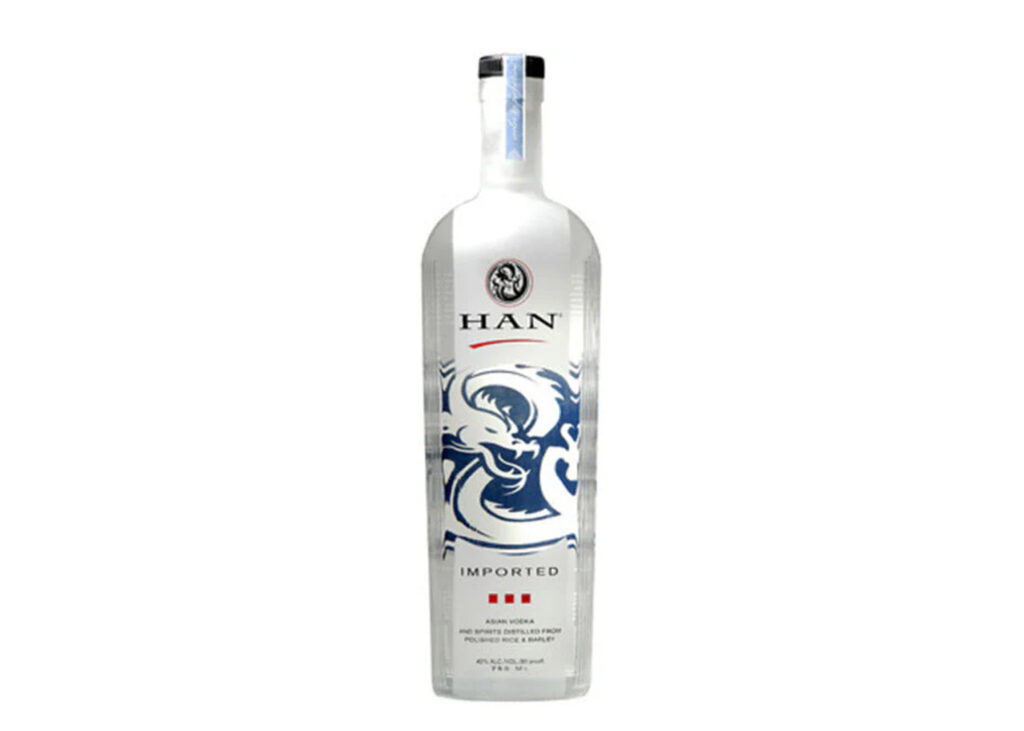
HAN Asian Vodka (Korea)
HAN Spirits Asian Vodka is an 80-proof spirit distilled in small batches from a blend of polished rice and barley, drawing on soju tradition while positioned as a clean, craft-cocktail-ready vodka. The rice base gives it a soft, mineral, faintly sweet character that sets it apart from grain or potato vodkas, with aromas of rice, barley and a whisper of citrus zest, a smooth, subtly sweet palate, and a crisp finish with gentle warmth. The line extends to Han Citruss, a flavoured variant infused with orange, lemon and lime, riding the flavoured-vodka trend with the same super-smooth finish.
Your Vodka Questions, Answered

Vodka probably doesn’t get the credit it deserves. While aged spirits and gin are best known for their flavour profiles, vodka is all about purity. Here’s what you need to know.
What is the best vodka for a martini?
A martini lives and dies by its vodka, so quality matters here more than in almost any other cocktail. For a classic, Belvedere or Grey Goose are the reliable choices as both clean, smooth, and assertive enough to stand against the vermouth. For something more distinctive, Haku Japanese Craft Vodka makes one of the most unusual and rewarding vodka martinis you’ll ever drink.
What is the smoothest vodka?
“Smoothness” is subjective, but the vodkas most consistently praised for an absence of burn and a silky texture are Beluga Noble, Stolichnaya Elit, Belvedere, and Haku. Potato vodkas — particularly Chopin — tend to be perceived as smoother than grain-based alternatives due to their fuller mouthfeel.

What’s the difference between cheap and expensive vodka?
At the production level: expensive vodkas typically use higher-quality raw materials, better water, and more rigorous distillation and filtration processes. In the glass: the difference is most noticeable when drinking neat or in a simple cocktail. In a Bloody Mary or a heavily flavoured mixer, the quality distinction largely disappears — which is why bartenders use mid-range vodkas for complex cocktails and reserve the premium bottles for martinis and simple serves.
Does vodka go bad?
Unopened, vodka lasts indefinitely as its high alcohol content prevents bacterial growth or meaningful degradation. Once opened, it will keep well for years without significant flavour change, provided it’s stored upright in a cool, dark place. Unlike wine or even whisky, vodka does not continue to develop in the bottle. Flavoured vodkas have a shorter window once opened as some fruit infusions can fade or turn within a year or two.
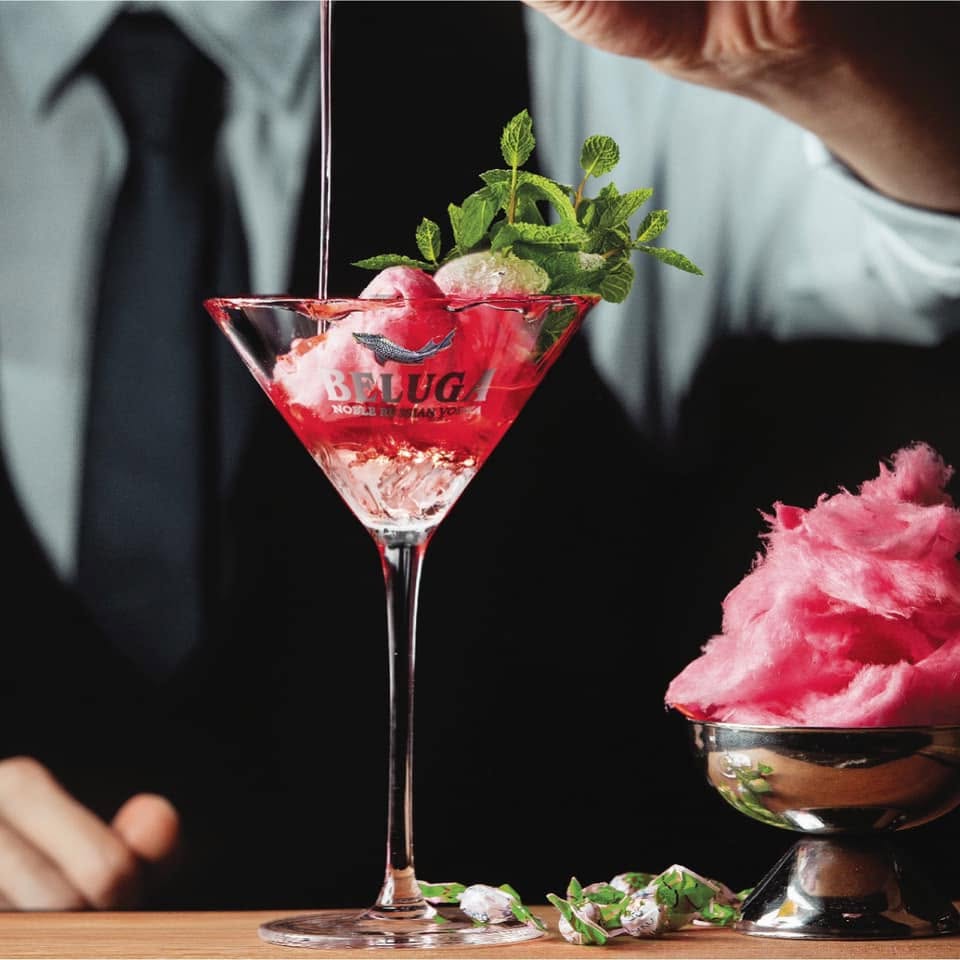
What are the best vodka cocktails?
The essential vodka cocktails every man should know: the Vodka Martini (vodka, dry vermouth, stirred or shaken, garnished with olive or lemon twist); the Moscow Mule (vodka, ginger beer, lime, ice, served in a copper mug); the Bloody Mary (vodka, tomato juice, lemon, Worcestershire sauce, Tabasco, celery); the Cosmopolitan (vodka, triple sec, cranberry juice, fresh lime); and the Espresso Martini (vodka, coffee liqueur, fresh espresso, shaken hard). Master these and you can handle any occasion.
How many calories are in vodka?
A standard 25ml measure of vodka at 40% ABV contains approximately 55–60 calories. Pure vodka contains no carbohydrates, no sugar, and no fat. The calories come entirely from the alcohol itself. Flavoured vodkas may contain slightly more due to added sugars. As with gin, the calories in a vodka drink mostly come from the mixer; a vodka soda (aka the Skinny Bitch) is one of the lowest-calorie options at a bar.
What is the difference between vodka and gin?
Both start from a neutral grain spirit, but gin is redistilled with botanicals — most importantly juniper — that give it aromatic character and flavour. Vodka is not. Vodka’s goal is purity and neutrality; gin’s goal is flavour. That said, the line is blurring slightly as craft vodka producers lean into terroir and base-ingredient character, producing spirits that are more flavorful than traditionally “neutral” vodka is supposed to be.
What is Russian vodka and why is it different?
Russian vodka refers to vodka produced in Russia, typically from wheat or a wheat-rye blend, using water from deep underground sources (often artesian wells) and filtration methods including charcoal, quartz, or silver. The flavour ideal is exceptional purity, smoothness, and a clean heat. Russian vodka is traditionally drunk ice-cold and neat in small glasses, without mixers in a tradition that makes considerably more sense when the vodka in question is genuinely excellent.

Is Japanese vodka better than Russian or Polish vodka?
“Better” depends entirely on what you want. Russian and Polish vodkas are designed around neutrality and purity, and the best are flawless at that. Japanese vodkas like Haku or Nikka Coffey are more expressive, with flavour from their base ingredients built in. If you want a versatile mixer, go Russian or Polish. If you want a sipping vodka that rewards attention, go Japanese. Both traditions are producing world-class spirits.
Final Word
Vodka’s rehabilitation is well underway, driven by a new generation of distillers who care as much about where their water comes from as how many times they distil, and by drinkers willing to approach the category with the same curiosity they bring to whisky or wine. The bottles on this list prove that neutrality and quality are not synonyms but that there is a world of difference between vodka that merely doesn’t taste like much and vodka that tastes like exactly what it is: grain and water, distilled to their finest expression.
Whether you start with a Belvedere martini or take the plunge on a bottle of Haku, the best vodka you’ll ever drink is probably the next one you approach with serious attention.