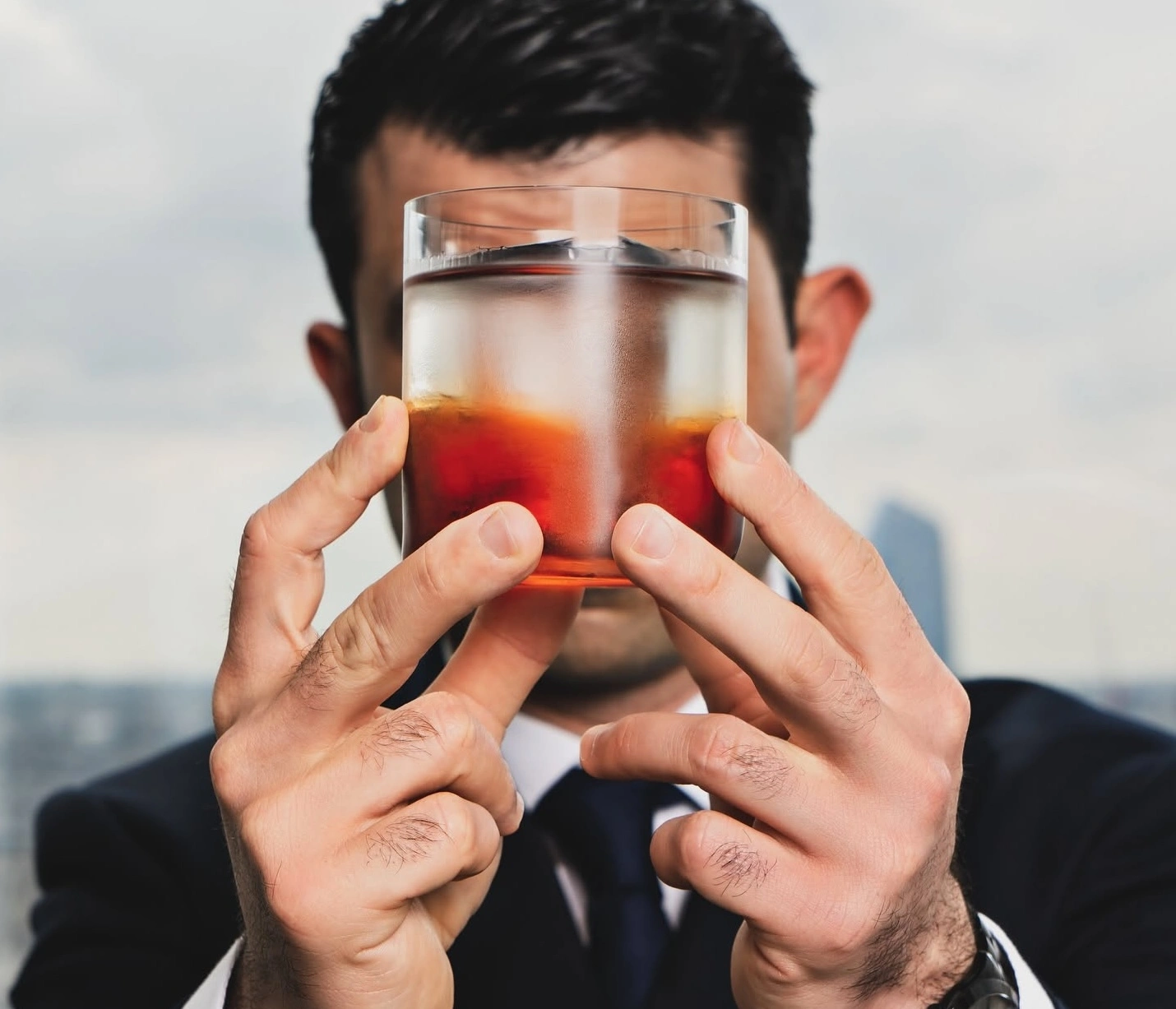

A Florentine count’s stronger Americano became the world’s favourite bitter classic. Here’s the Negroni’s history, its global revival, and Asia’s finest pours, just in time for Negroni Week.
There are exactly three ingredients in a Negroni, and not one of them is negotiable. Equal parts gin, sweet vermouth, and Campari, stirred over ice, finished with an orange twist. No shaking, no syrup, no sleight of hand. It is, by most reasonable measures, the most perfectly engineered cocktail ever put in a glass — bitter enough to feel serious, sweet enough to stay approachable, and strong enough that one is usually plenty.
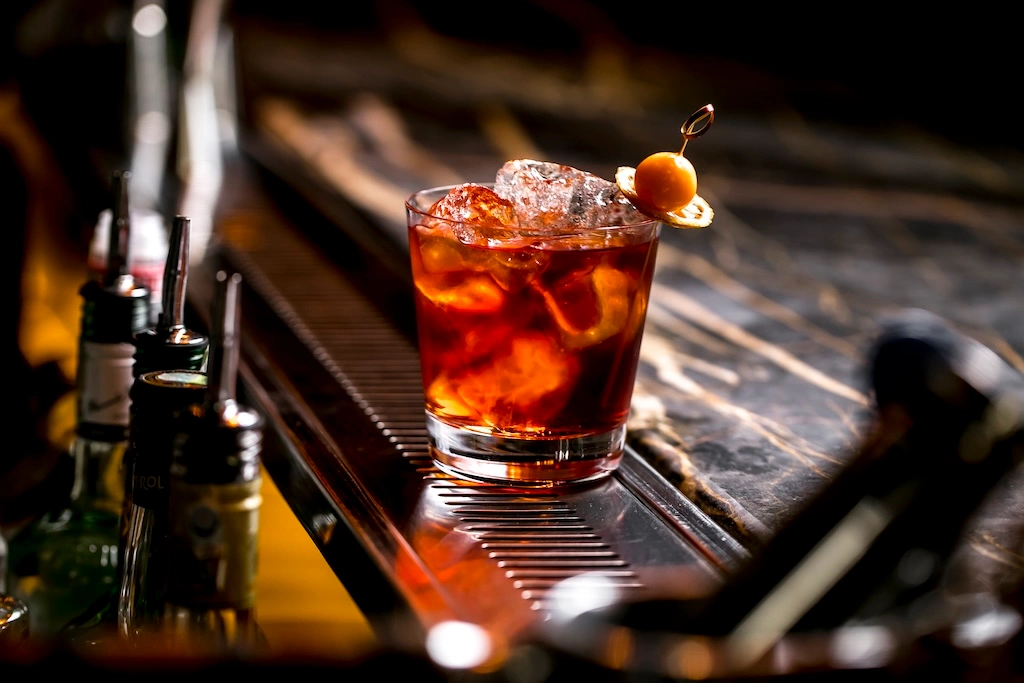
This week, that glass gets its due. Negroni Week 2026 runs from September 21 to 27, the global fundraising celebration co-founded by Campari and the US’s Imbibe Magazine, with proceeds funnelled to Slow Food and a rotating cast of charitable partners each bar chooses for itself. Across Asia, from Hong Kong’s Bridges Street to the back lanes of Kuala Lumpur’s Chinatown, more than a hundred bars are pouring limited-edition takes on the drink for exactly this reason.
So consider this your complete briefing: where the Negroni actually came from, why it disappeared and then came roaring back, ten of the best Negroni bars in Asia worth a special trip this week, and — because every man should be able to make one without consulting his phone — a proper guide to building the perfect Negroni at home.
The History of the Negroni: A Count, a Bartender, and a Stronger Drink
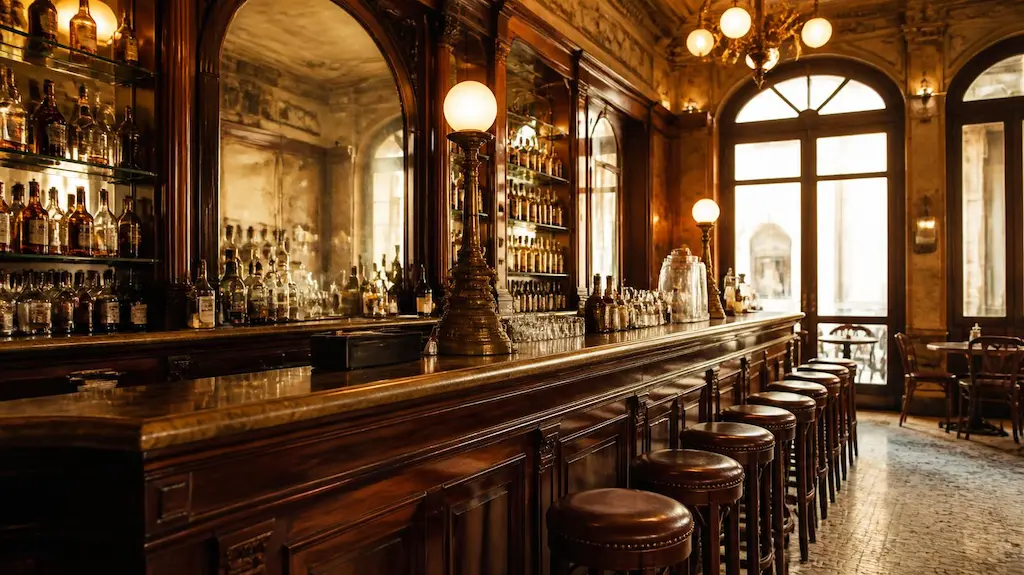
The most repeated version of the story is also the most charming, which is usually a bad sign for historical accuracy, but in this case, most of the details hold up reasonably well. Florence, 1919 or thereabouts. Count Camillo Negroni, a well-travelled aristocrat with a taste for the theatrical, was a regular at Caffè Casoni (now Caffè Giacosa) on Via de’ Tornabuoni. His usual order was an Americano — Campari, sweet vermouth, and a splash of soda — a perfectly pleasant, perfectly low-stakes apéritif.
One evening, as the story goes, the Count asked his bartender, Fosco Scarselli, to give it some backbone. Swap the soda for gin. The result was sharper, drier, and considerably more serious than what he’d been drinking, and Scarselli marked the switch by replacing the traditional lemon garnish with a slice of orange, so waiters wouldn’t confuse the new drink with the old one at a glance.
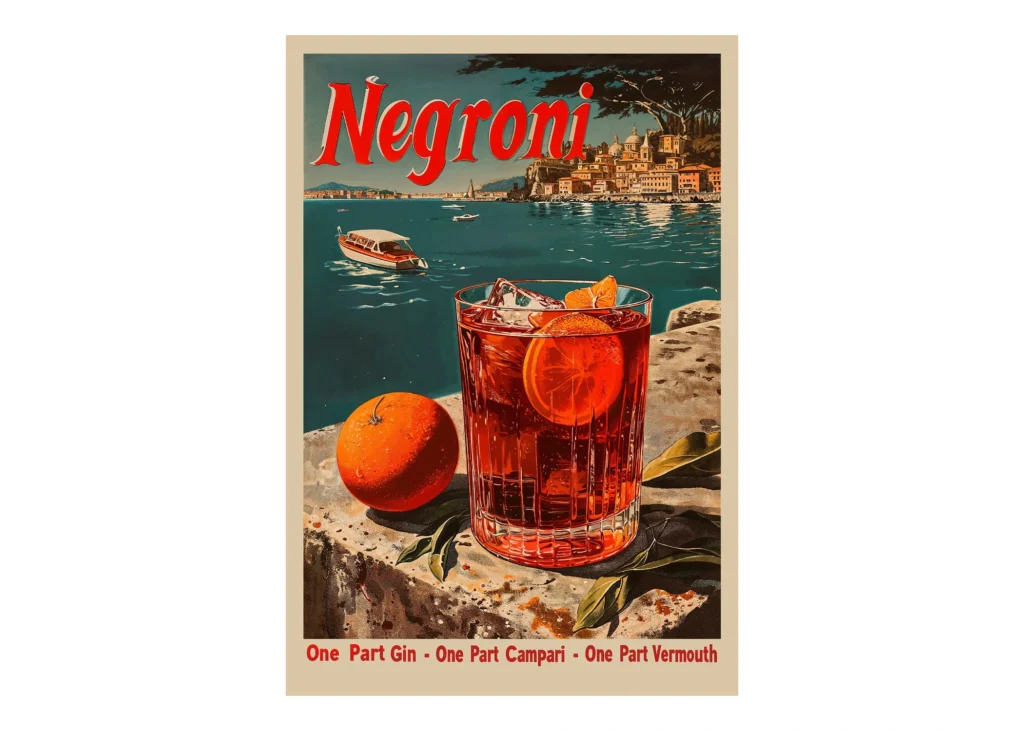
It’s a good story, and cocktail historians such as David Wondrich have poked reasonable holes in it, questioning, among other things, whether Camillo Negroni actually held the title of Count (that honor may have belonged to his grandfather) and noting that an entirely unrelated Negroni, one Guglielmo, was producing an amaro called “Old 1919” around the same period, which may have muddied the historical waters for a century.
What’s less disputed is the drink itself: by the time French cocktail books picked it up in 1929, it was being documented as “Campari Mixte” — equal parts gin, vermouth, and Campari, shaken rather than stirred, with lemon rather than orange. The 1:1:1 ratio, stirred preparation, and orange garnish we know today didn’t fully standardise until the 1950s, when the International Bartenders Association codified it into the modern recipe.
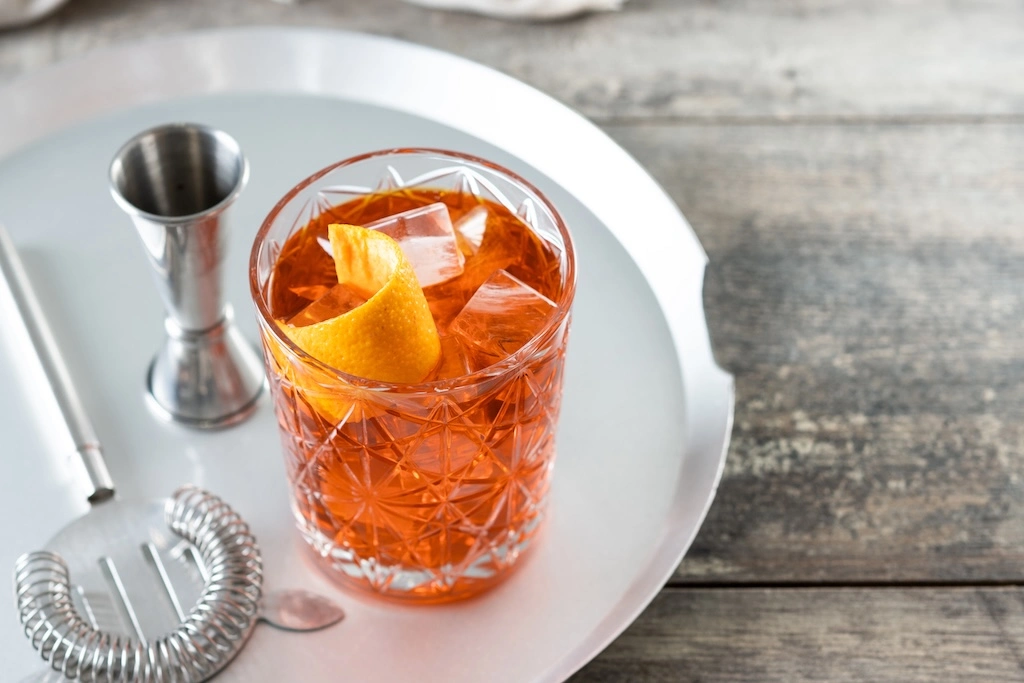
What’s remarkable, looking back, is how little the Negroni has needed to change since. Most classic cocktails get reinterpreted into near-unrecognizability over a century. The Negroni has mostly just been rediscovered, again and again, by new generations of drinkers looking for something with a bit more conviction than a beer.
The Negroni’s Evolution and Renaissance
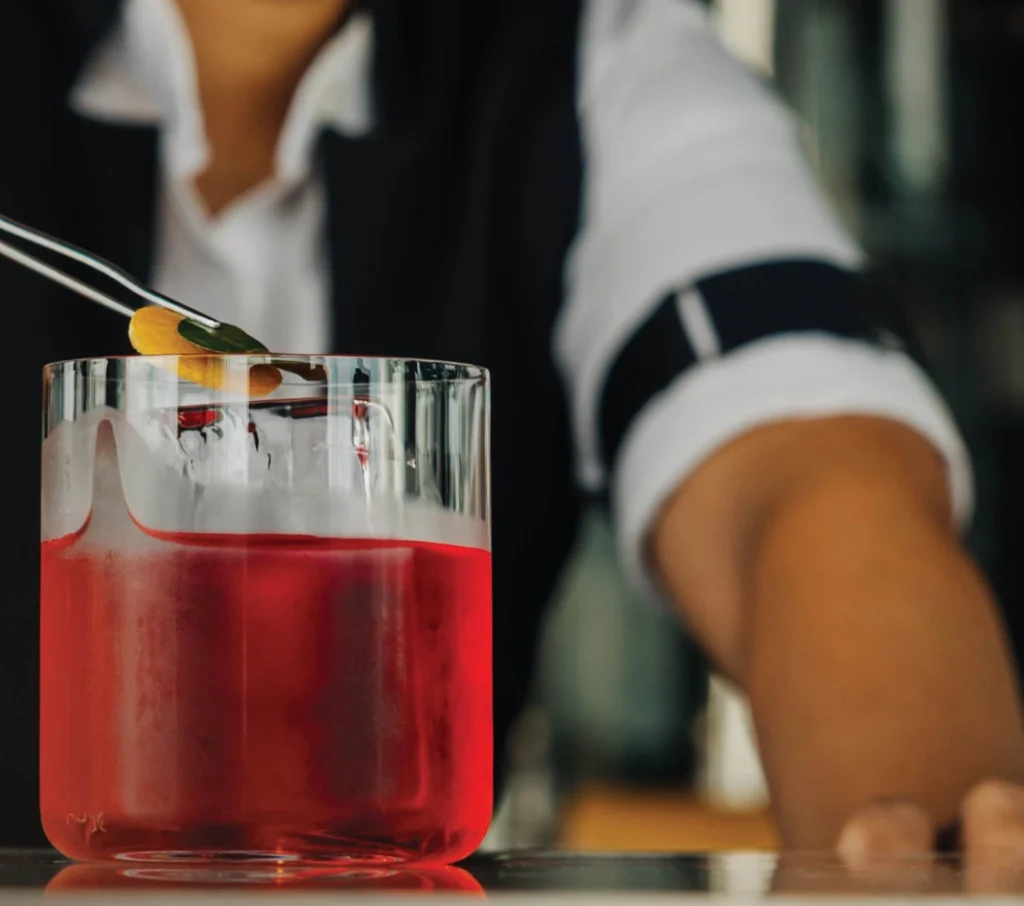
For a stretch of the late 20th century, the Negroni was something of a bartender’s secret, respected by the trade but largely ignored by everyone else, who found Campari’s bitterness a hard sell against sweeter, more forgiving cocktails. Its comeback tracks almost exactly with the broader craft cocktail movement of the 2000s and 2010s, when bartenders on both sides of the Atlantic began reaching back into pre-Prohibition and early-twentieth-century recipe books for drinks with genuine technique and history behind them.
The Negroni turned out to be an ideal poster child for that movement, for a few reasons that still hold. It requires real skill to get right — the ratio, the dilution, the ice, the stir — while remaining a three-ingredient drink any home bartender can learn properly in an afternoon. It photographs beautifully, all that ruby-red bitterness against a single sphere of ice. And it is, structurally, one of the most flexible cocktails in existence: swap the base spirit, and you get an entirely new drink that still respects the original architecture.
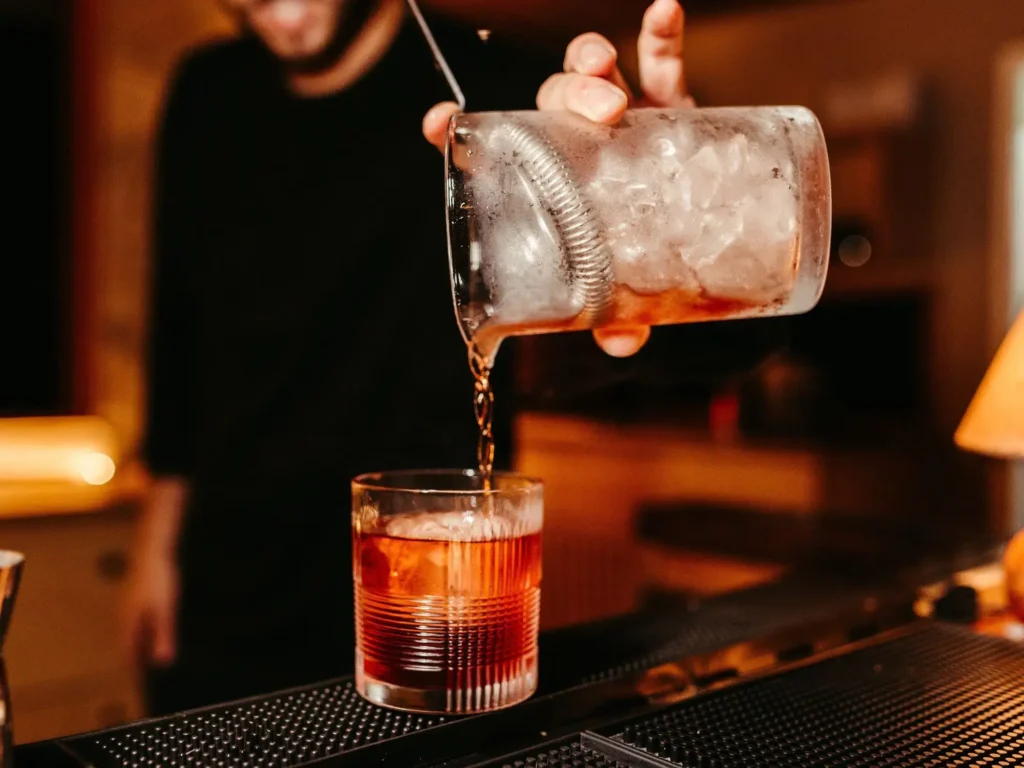
That flexibility is exactly what’s driven its second wave. The Negroni Sbagliato — “mistaken” Negroni, prosecco standing in for gin — went from Milanese bar trick to global phenomenon (helped along, improbably, by a 2022 clip of Emma D’Arcy pronouncing the name with evident delight). The Boulevardier swaps gin for bourbon or rye and shifts the ratio slightly heavier on the spirit, while the White Negroni replaces both vermouth and Campari with Lillet Blanc and Suze, trading bitter-red for something paler, drier, and more floral.
Bartenders across Asia have taken this even further, subbing in shochu, sake, baijiu, tuak, and local amari substitutes to build Negronis that are distinctly regional.
There’s also a quieter, more structural reason for the drink’s staying power: the broader shift toward lower-alcohol, more considered drinking. A Negroni, taken slowly over good ice, is a moderate way to spend an hour with a drink in hand, and for a new breed of modern drinker, that restraint is the appeal.
10 Best Negroni Bars in Asia for Negroni Week 2026
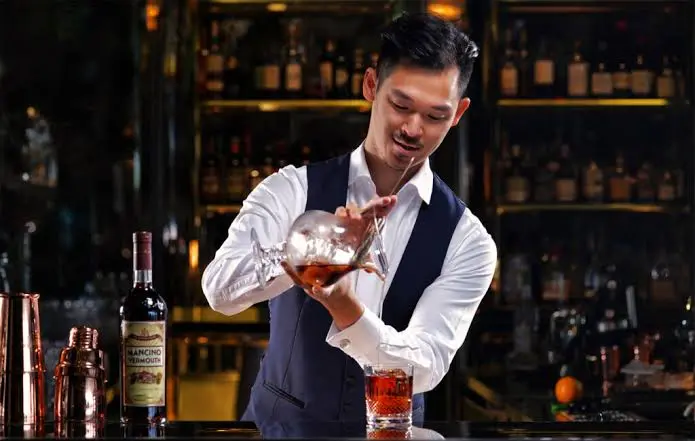
Asia’s bar scene has spent the past decade climbing the global rankings in earnest — the region now regularly claims a third of the World’s 50 Best Bars list — and the Negroni has become something of a proving ground for that ambition. Here are ten bars across the region doing genuinely interesting things with the Negroni, with several fresh off strong showings at Asia’s 50 Best Bars 2026, where Guangzhou’s Hope & Sesame took the top spot and Bangkok claimed a region-leading eight entries.
1. Bar Leone
Hong Kong
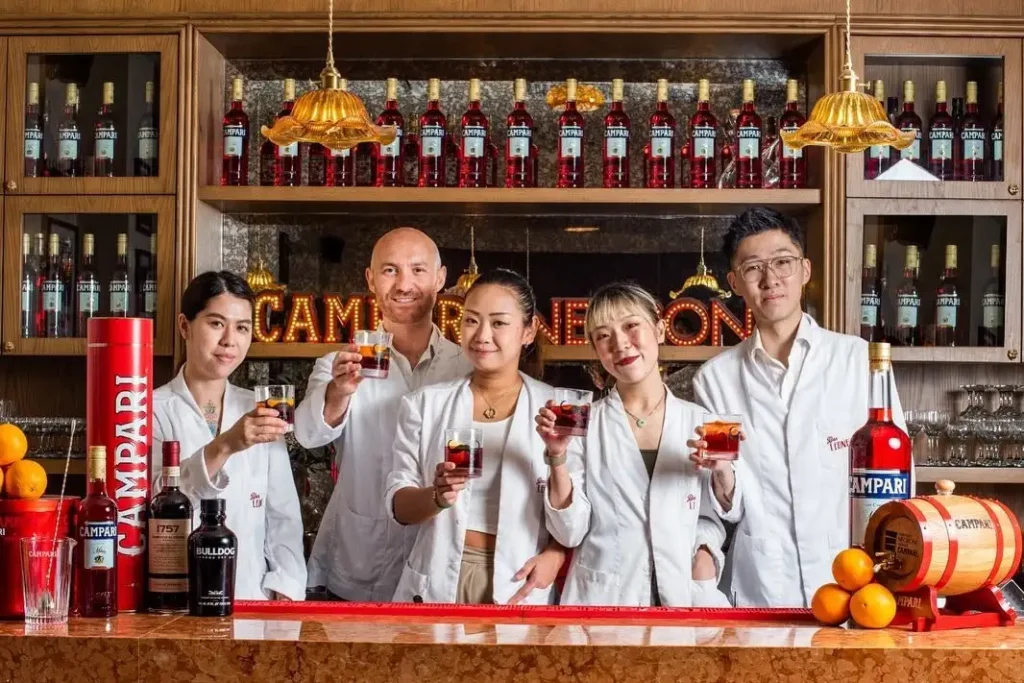
If there’s one bar in Asia synonymous with the Negroni right now, it’s this one. Lorenzo Antinori’s Italian-leaning cocktail bar has spent recent years trading the No. 1 and No. 3 spots on Asia’s 50 Best Bars, and its serves a series of inventive house Negronis, including a standout Yuzu Bianco, a white Negroni constructed around bright, citrus-forward yuzu notes in place of the traditional bitter-red profile. Having watched the bar climb the rankings from my first visit years back to its current perch near the top of Asia’s list, it’s genuinely one of the few places where the classic feels reinvented rather than simply reheated.
2. Tell Camellia
Hong Kong
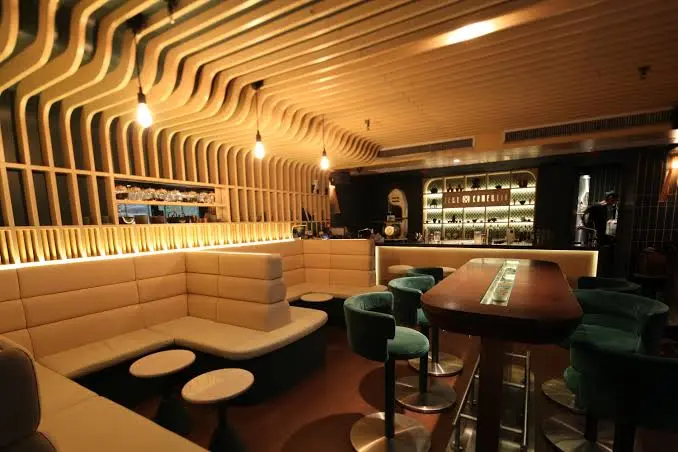
Tell Camellia (another favourite of mine) built its reputation on tea (that’s right, as in bag and mug), and its Darjeeling Negroni 2.0 is the clearest proof of why that focus works. Darjeeling tea-infused gin sits alongside classic vermouth and Campari, finished with chocolate sourced from local Hong Kong artisans — a small addition that rounds out the bitterness rather than fighting it. It’s a clever regional twist, with Hong Kong’s tea culture filtered through an Italian cocktail without ever feeling like a gimmick.
3. Zuma
Hong Kong
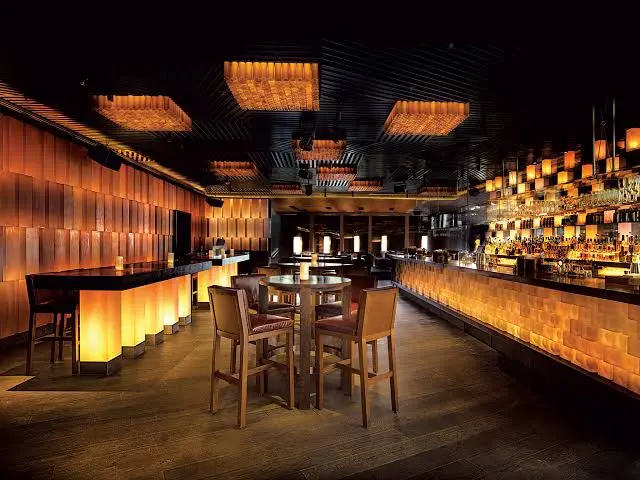
Zuma’s Hong Kong outpost treats cocktails as small pieces of cultural storytelling rather than straight reinterpretations, a philosophy driven by head bartender Arcadius Rybak. The bar’s most talked-about Negroni to date, the Honda Negroni, interpretes the classic around bentonite clay — traditionally prized for its purported detoxifying properties — to soften Campari’s bitterness and add a mineral dryness. It’s served in a specially commissioned red clay cup honoring Honda Tadakatsu, a samurai famed for never taking a battle wound in combat. The cocktail also sums up Zuma’s whole approach neatly: rigorous Japanese craft and storytelling applied to an Italian original, without losing sight of what made the drink work in the first place.
4. Nutmeg & Clove
Singapore
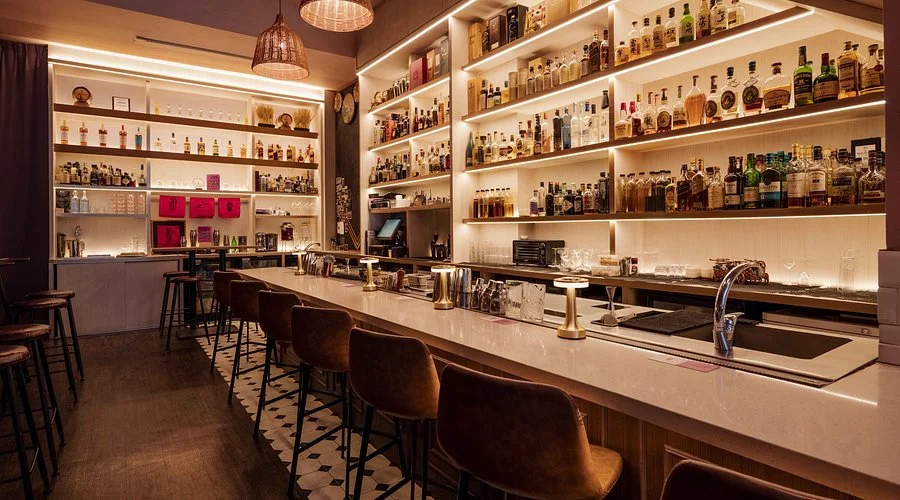
Ranked No. 12 in Asia’s 50 Best Bars 2026, Nutmeg & Clove takes the boldest structural swing on this list with its Almost Colourless Negroni (S$40) — a floral, pale reinterpretation that strips out the drink’s signature ruby hue entirely in favor of botanical complexity. It’s a genuine talking point, and a useful reminder that “Negroni” describes a formula and a philosophy more than a fixed colour.
5. Hope & Sesame
Guangzhou
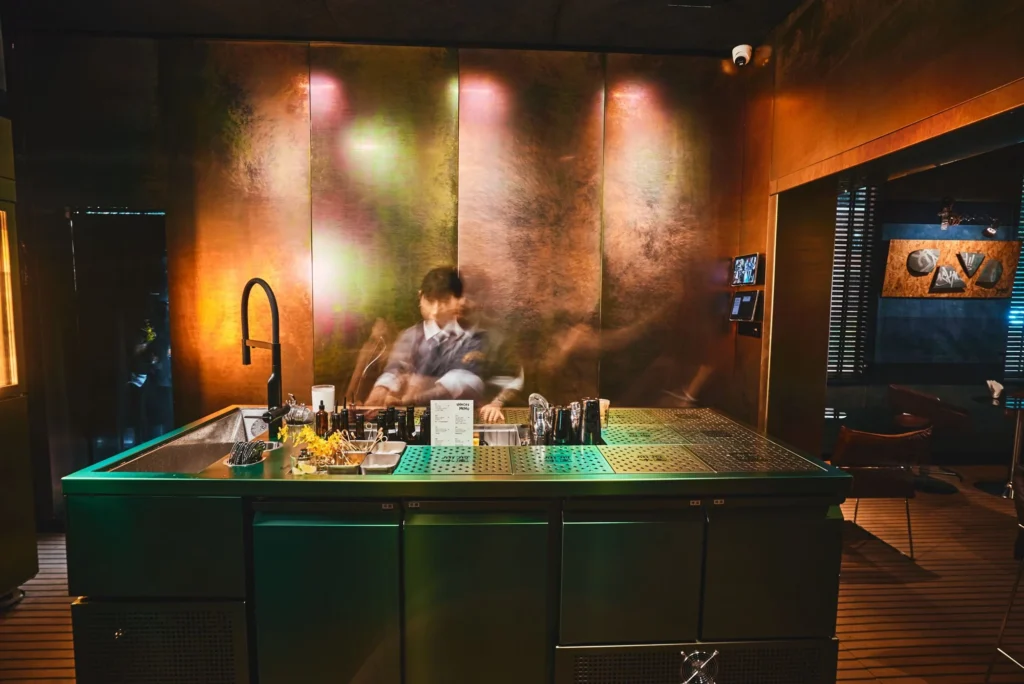
China’s reigning cocktail powerhouse, Hope & Sesame, climbed from No. 7 to the No. 1 spot on Asia’s 50 Best Bars 2026 and celebrated its tenth anniversary in the same year, no small feat in an industry where bars often don’t outlast their opening hype. The team has built its entire identity around reworking Western classics through a distinctly Cantonese lens, drawing on regional apothecary ingredients, dried citrus, and local produce that most Western bar menus never touch. During Negroni Week, that philosophy makes it one of the most interesting bars in Asia to watch a familiar drink get a new lease on life.
6. Zest
Seoul
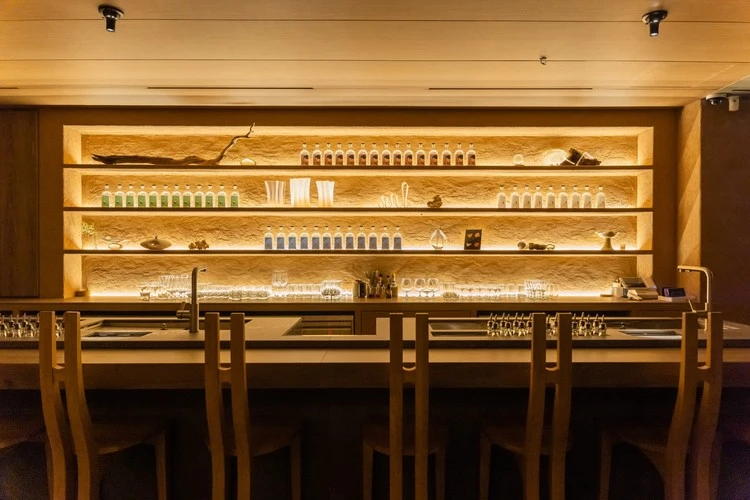
Seoul’s Zest holds the No. 2 spot in Asia’s 50 Best Bars 2026 and was recognised as the region’s first “Bar of Tomorrow” for its sustainability-driven, produce-forward approach, which includes nose-to-tail ingredient use, house-made ferments, and minimal waste. It’s the kind of bar where a Negroni becomes an exercise in technique rather than tradition, built from whatever the kitchen and cellar can responsibly offer that week. Seoul’s cocktail scene has quietly become one of the most technically ambitious in Asia, and Zest is the clearest evidence of it.
7. BKK Social Club
Bangkok
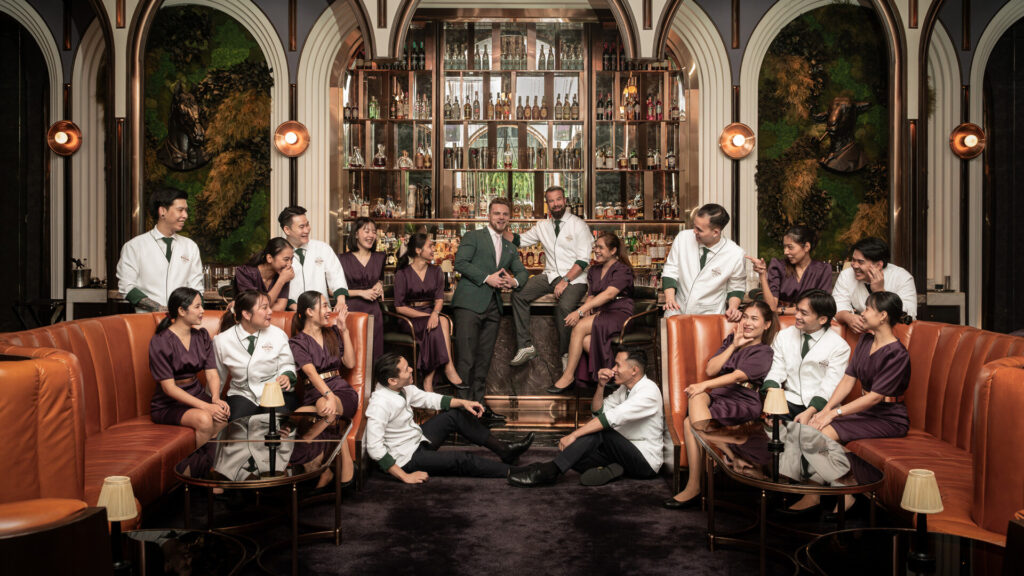
Bangkok now fields more bars on Asia’s 50 Best list than any other city in the region, and BKK Social Club is a fair representation of why. The bar leans playful and ingredient-driven without sacrificing technical rigour, and its Negroni riffs tend to lean into Southeast Asian produce that would never make it onto a Florentine bar cart. Worth pairing with a wider crawl through Bangkok’s Negroni Week programming, which has grown into one of the most extensive in the region.
8. Opium Bar
Bangkok
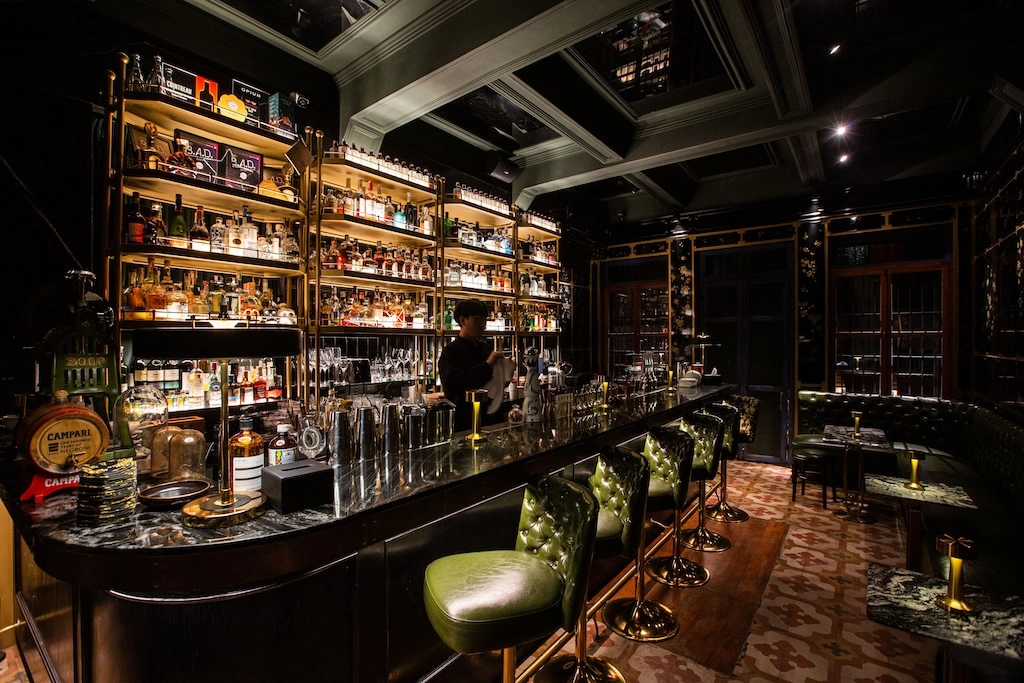
Set on the upper floors of a converted Chinatown shophouse, sharing the building with the acclaimed restaurant Potong, Opium takes its name and aesthetic directly from the opium dens that once operated on the site, so expect black lacquered walls, gold detailing, and low leather seating standing in for the old smoking beds. Under Italian mixologist Matteo Cadeddu’s “Liquid Surreality” concept, the bar’s Negroni takes the boldest technical swing on this entire list: the Campari is pyrolysed, slow-cooked at 70°C until it develops genuine amaro-like complexity, then rebuilt with gin and white vermouth. It’s a Negroni that tastes simultaneously familiar and completely reworked, and one worth the trip through Chinatown all by itself.
9. Aman Lounge — Bangkok
Bangkok
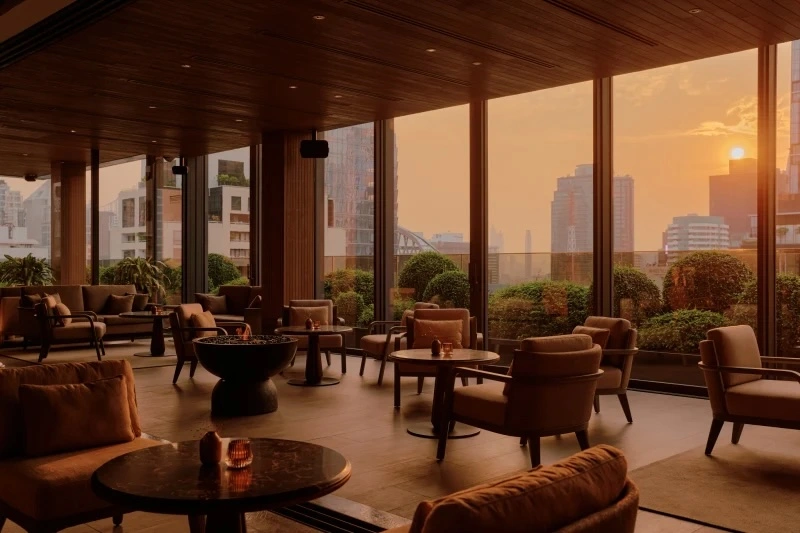
The most refined room on this list by some distance, Aman Lounge sits inside the Aman Nai Lert hotel, its floor-to-ceiling windows framing the Bangkok skyline at sunset over candlelit tables, warm wood panelling, and a grand piano. Director of Beverage and Bars Michele Montauti has built the drinks programme around Godai, the ancient Japanese philosophy of five elements, working from a cellar of genuinely rare vintage spirits that most bars in the region can’t touch. It’s reservation-only for non-guests and unapologetically formal, but for a Negroni made with real ceremony — poured slowly, in a room built for exactly that kind of evening — it’s difficult to beat.
10. DarkSide
Hong Kong
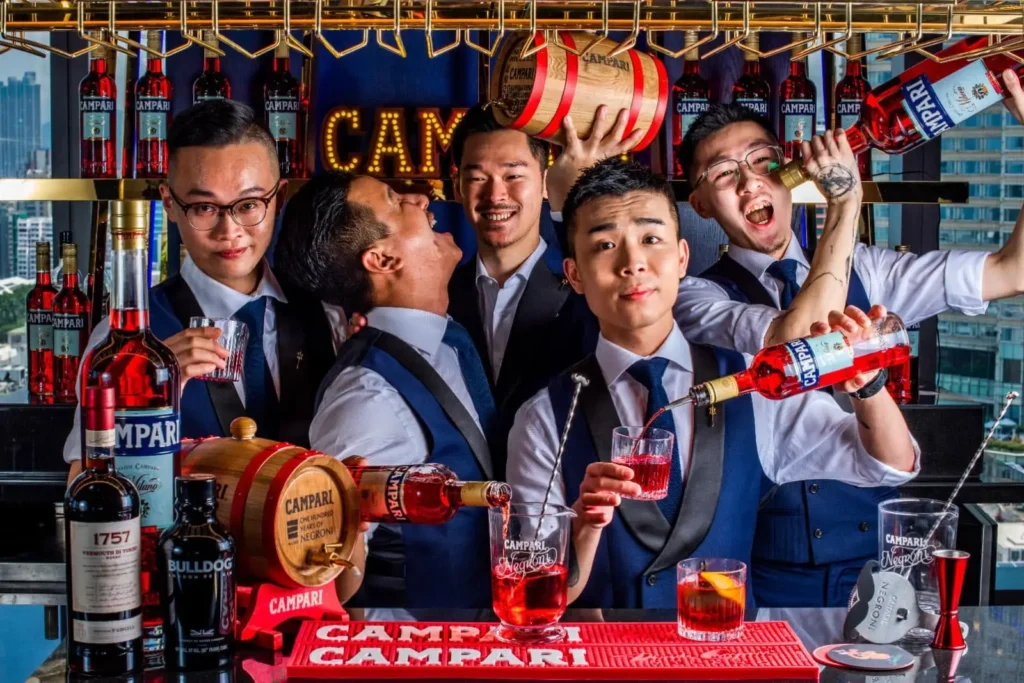
DarkSide takes its name from Kowloon’s old colloquial nickname — “the Dark Side” of the harbour — and builds an entire jazz-age world around it, courtesy of designer Tony Chi, so expect jewel-toned antiqued glass panels, plank oak floors, a baby grand piano, and a perpetually rotating hourglass ceiling installation handcrafted in Murano. The bar has spent four consecutive years on Asia’s 50 Best Bars list thanks to talents barkeeps and a dark-spirits library that reaches back to the early 19th century. For a past Negroni Week, the team has created the Ume Negroni, with chocolate Campari, Plantation dark rum standing in for the gin, plum sake, Mancino rosso vermouth, plum bitters, and a few drops of myrrh — an unusually sweet, cacao-forward reworking of the classic that still somehow held its bitter backbone.
How to Make the Perfect Negroni at Home
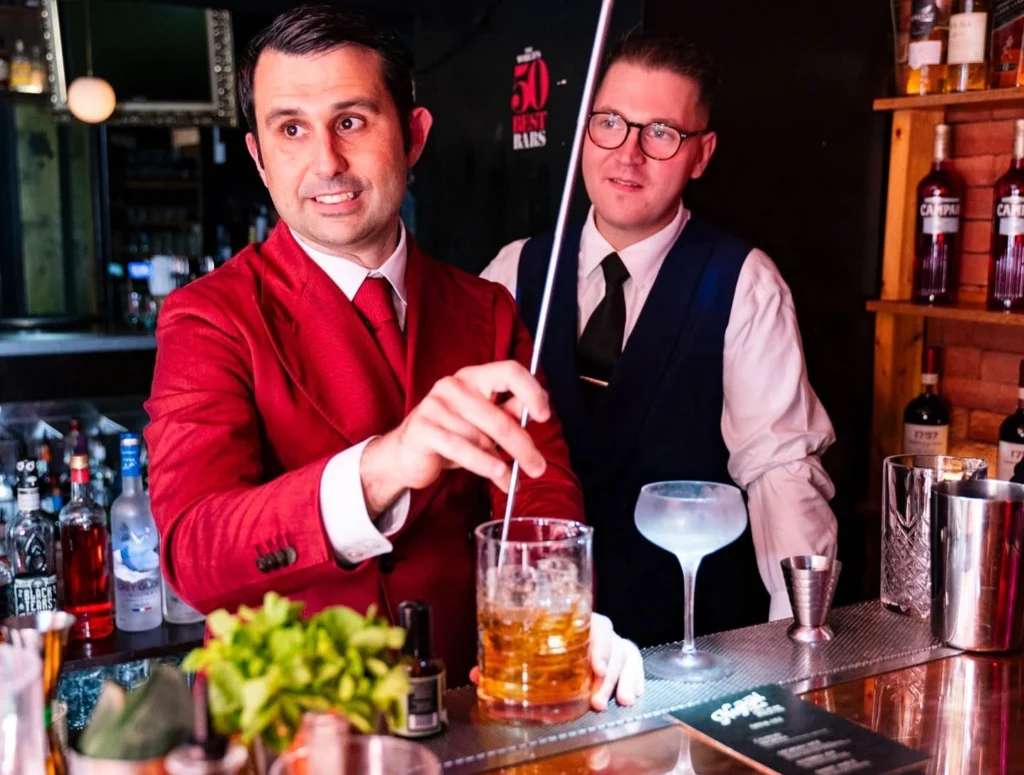
The Negroni’s real genius is that it rewards care far more than it punishes inexperience. Get the fundamentals right and you’ll outperform most bars; ignore them and even good bottles will taste flat.
The Classic Ratio
Equal parts gin, sweet vermouth, and Campari — traditionally 30 ml (1oz) of each, though scaling up to 45 ml per component for a stronger single drink works well if you’re not pouring for a crowd. Resist the urge to tinker with the ratio before you’ve made a dozen at the standard 1:1:1; you need the baseline before you can judge what you’d actually want to change.
Step-by-Step
- Fill a mixing glass with ice — regular cubes are fine here; you’re not shaking, so shape matters less than volume.
- Add equal parts gin, sweet vermouth, and Campari. A London Dry gin (Tanqueray, Beefeater, or a step up like Sipsmith) gives the cleanest, most classic result; a more floral or citrus-forward gin will shift the whole drink’s character.
- Stir — don’t shake — for 20 to 30 seconds. Shaking aerates and over-dilutes a spirit-forward drink like this one; stirring chills and dilutes it properly while keeping the texture silky rather than frothy.
- Strain over one large ice cube in a rocks glass. This is where a lot of home bars quietly let themselves down — small, fast-melting freezer ice waters a Negroni down within minutes. A single large cube (50–60mm, made with a silicone mould) melts far more slowly, keeping the drink cold and properly balanced for the full time it takes to enjoy it.
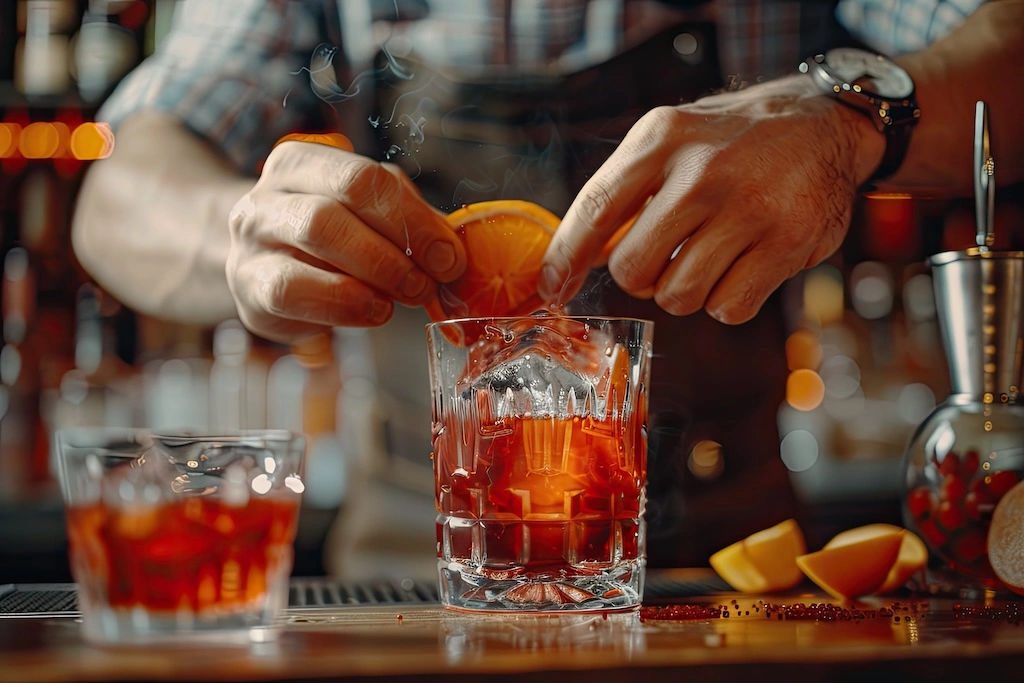
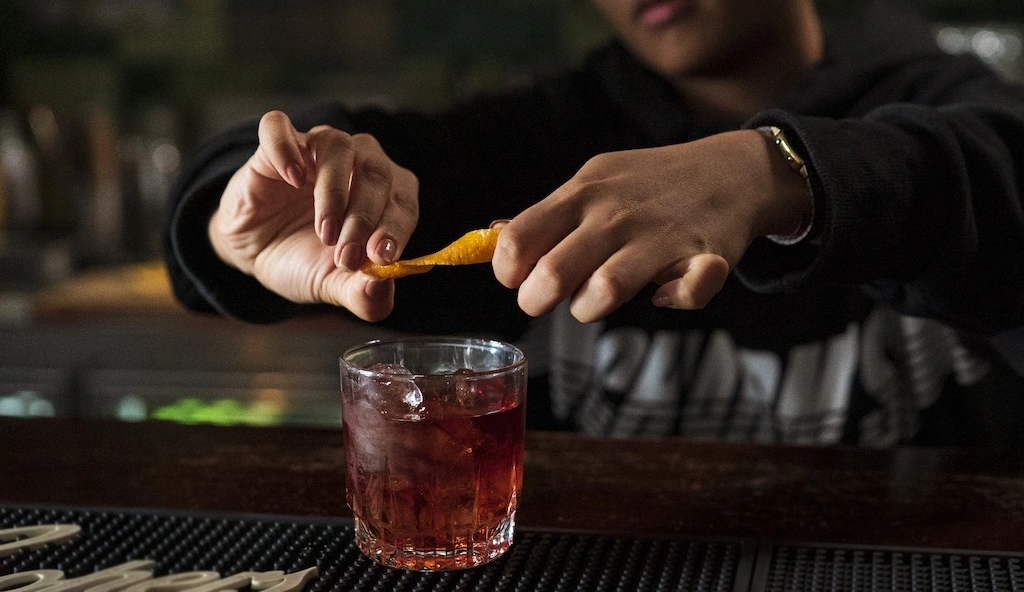
- Garnish with an orange twist, expressed over the glass to release the oils before dropping it in. This isn’t decorative — it’s the final aromatic layer of the drink, and skipping it genuinely changes what you taste on the first sip.
Common Mistakes to Avoid
Using a cheap or old sweet vermouth is the single most common way to ruin a good Negroni. Vermouth is fortified wine, not a spirit. It oxidizes once opened and should be kept in the fridge and replaced every couple of months. A stale bottle will make even excellent gin and Campari taste muddy and flat.
Shaking instead of stirring is the second-most common error, usually made by home bartenders who’ve internalized “cocktail = shaker” from watching too many films. A shaken Negroni looks cloudy, tastes diluted, and loses the silky texture that defines the drink done properly.
And in Asia’s climate specifically, serving temperature deserves more thought than it gets. In Hong Kong or Singapore humidity, a Negroni on small ice can go from perfectly balanced to watery in under ten minutes. The large-cube approach above isn’t fussiness, it’s the single most effective fix for the region’s conditions.
Worth Trying Once You’ve Mastered the Classic
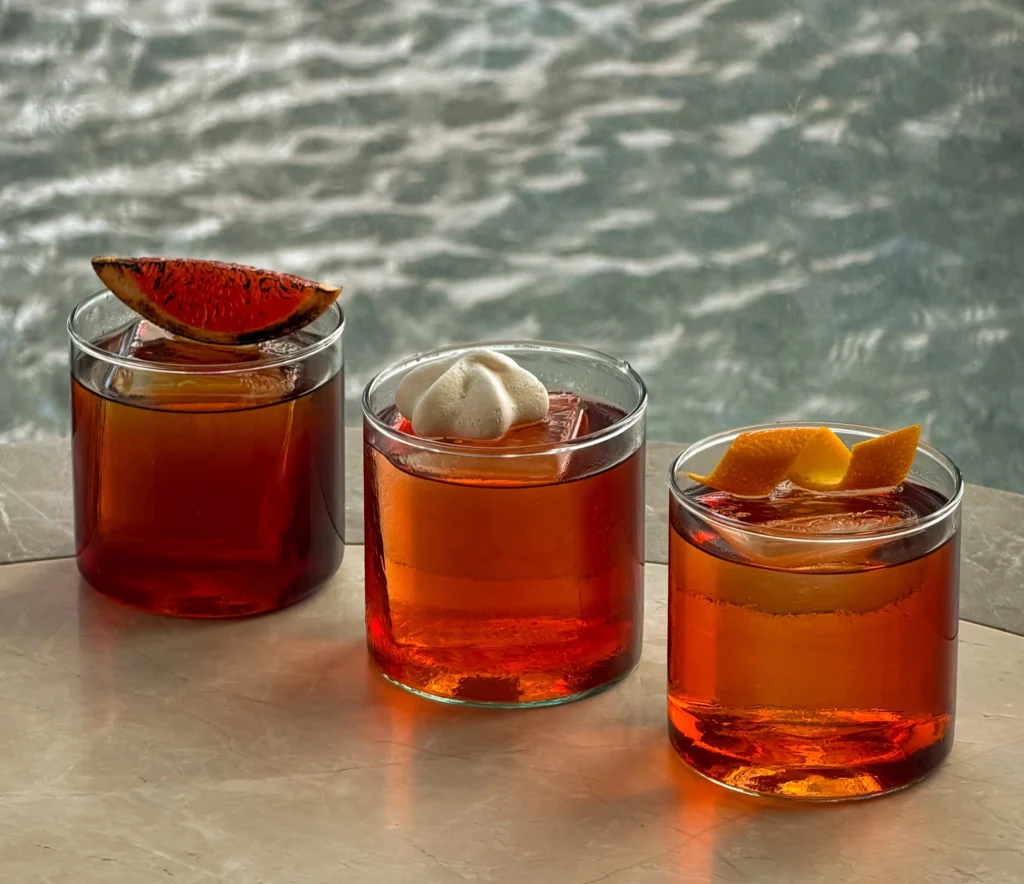
As with all classic cocktails, the Negroni has evolved a whole cast of sibling libations. Here are some to try.
- Negroni Sbagliato: equal parts prosecco, sweet vermouth, and Campari, built directly in the glass over ice — lighter, fizzier, and a genuinely good warm-weather option.
- Boulevardier: swap the gin for bourbon or rye, typically at a 3:2:2 ratio favoring the whiskey — richer and more autumnal, but works surprisingly well with a good cognac too.
- White Negroni: Lillet Blanc and Suze in place of vermouth and Campari — paler, drier, and more floral, and a genuinely elegant alternative if you find Campari’s bitterness a hard sell for guests.
A properly stocked home bar makes all of this considerably easier — our guide to building a home bar covers the eight bottles (including the sweet vermouth and Campari a good Negroni depends on) and the handful of tools worth actually owning.
Final Pour
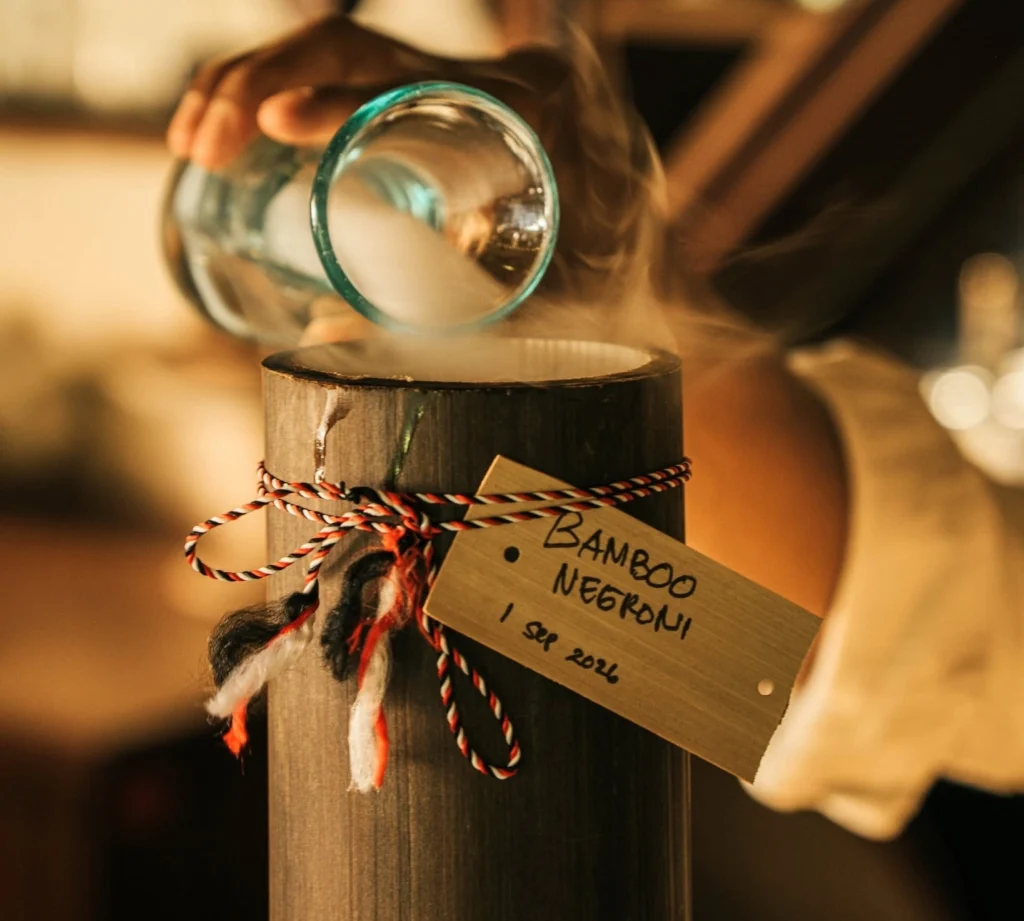
The Negroni’s whole appeal, over more than a century, is that it never really asked to be improved — just made properly, and occasionally reimagined by someone who understood the original well enough to know what could bend without breaking. That’s exactly what’s happening across Asia’s best bars right now, from a tea-infused pour in Hong Kong to a rice-wine reinvention in Kuala Lumpur.
With Negroni Week 2026 running September 21–27, there’s no better excuse to work through this list, book a stool at one of the region’s top-ranked bars, or simply do it properly at home tonight. Either way: equal parts, stirred properly, one large cube. The rest takes care of itself.
Which Asia bar makes your favorite Negroni? Let us know in the comments, and share this guide with the man in your life who still thinks Campari is “too bitter.”