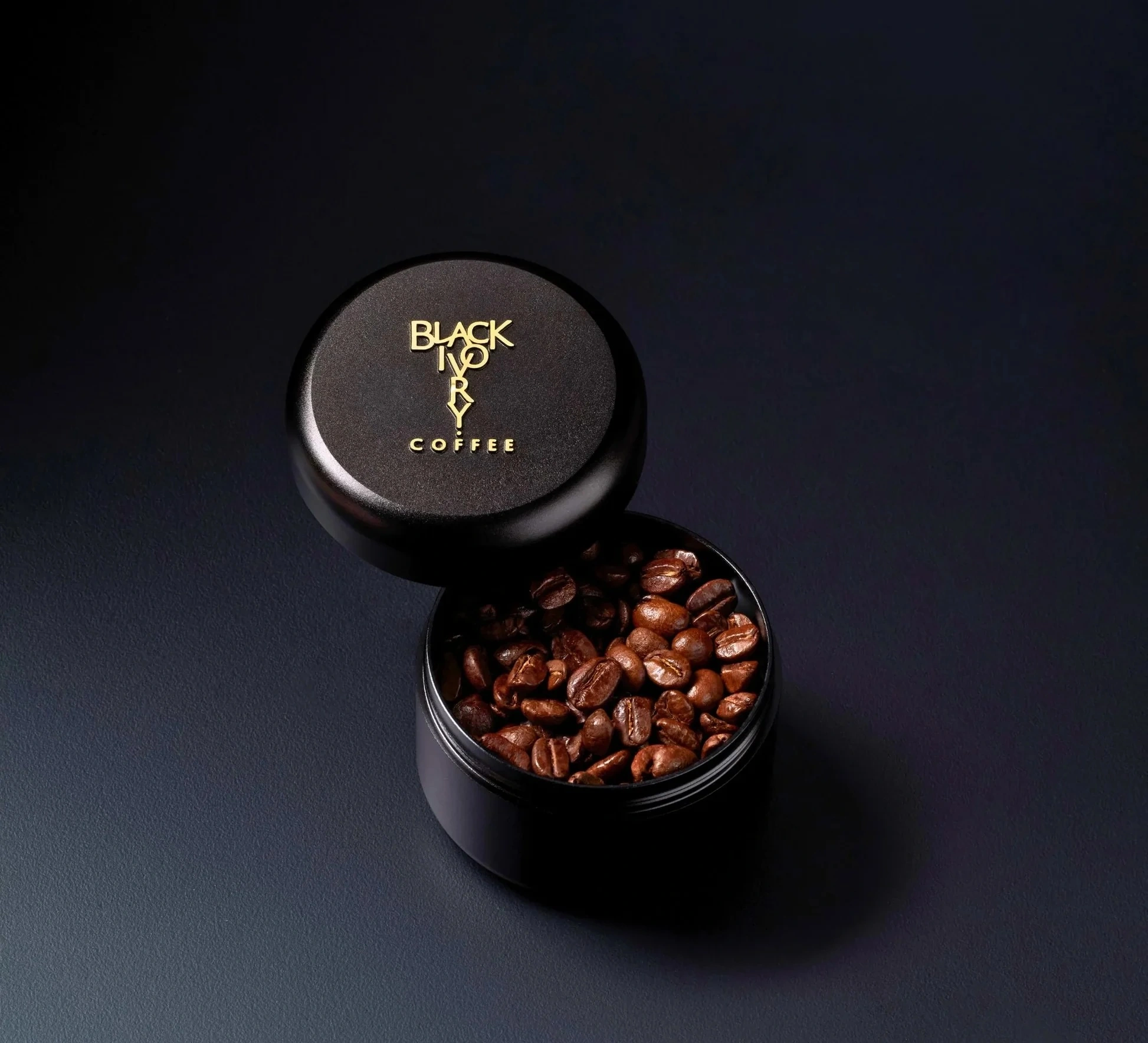

The world’s most expensive coffee is still made the hard way: by elephants in northeast Thailand. Here’s what US$75 a cup buys you, and why scientists say it really does taste smoother.
Forget the limited-edition trainer drop. If you want a flex with a proper backstory, try coffee that has passed through a three-tonne elephant. Black Ivory Coffee, made in Surin in north-east Thailand, sells for around US$3,000 per kilo, or about US$75 a cup on the brand’s own website. That puts it comfortably among the most expensive coffees in the world.
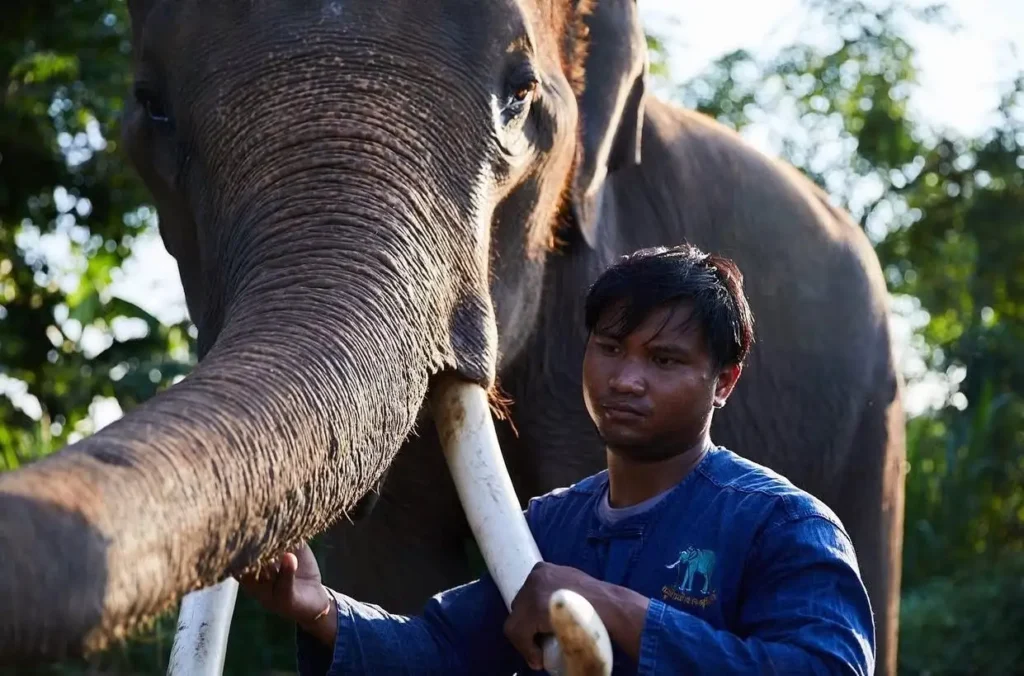
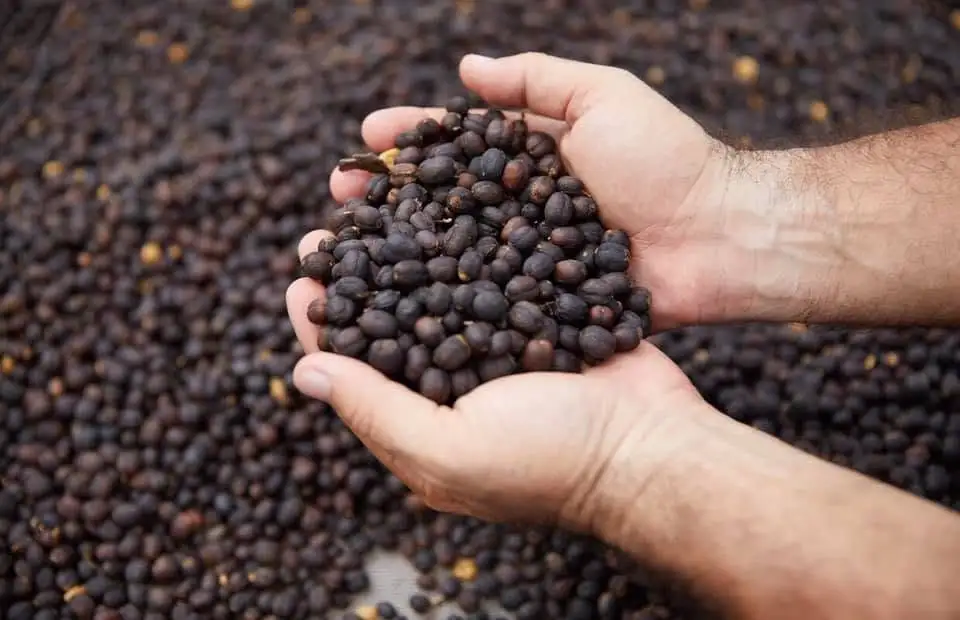
It’s made exactly the way you think. Thai Arabica cherries go into a snack of bananas and rice bran for a small herd of elephants. The beans spend 12 to 72 hours in the digestive tract before they’re collected, and then elephant-owning families pick them out of the dung by hand. The yield is terrible: the brand puts it at about 33kg of fresh cherries for every kilo of beans. Founder Blake Dinkin once half-joked that elephants are highly inefficient workers. But they’re keen chewers, and few beans come out whole.
That’s why there’s so little of it. The brand produces roughly 225kg each year. That’s about a quarter of a tonne for the whole world, which is less than some home baristas get through in a lifetime of bad decisions.
So, Is It Actually Better?
Dinkin is Canadian, and he invested US$300,000 in creating the coffee brand. He’s always said the journey through the elephant’s gut takes the bitterness out, and this year, science backed him up. A team at the Institute of Science Tokyo, led by Associate Professor Takuji Yamada, found that dung from the coffee-producing elephants was unusually rich in pectin-digesting enzymes. Pectin breaks down into bitter compounds when beans are roasted. With less pectin left in the beans, the cup comes out smoother and more chocolatey. The brand’s own tasting notes list chocolate, tamarind and spices, but it’s not without its critics.

Our take: the bigger selling point is how it’s made. Kopi luwak, the other famous “poop” coffee, is still dogged by welfare concerns about caged civets. Black Ivory says cherries make up less than 1% of the elephants’ daily intake, and that the business pays the families who care for the animals. It’s hard to know what impact, if any, the coffee cherries have on the elephants, but it’s still an intriguing story to tell over the cafetière.
It’s also a better festive gift than another bottle of single malt, but if you’re planning to send a subtle message to your boss this Christmas, you’ll need to be quick as Black Ivory ships worldwide online in restricted quantities.