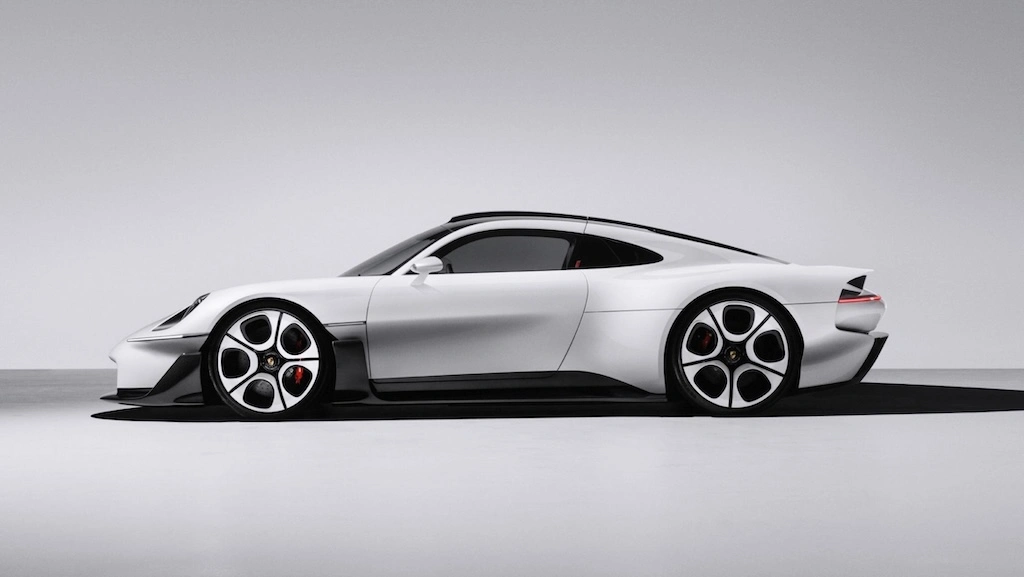

Stuttgart’s new vision model looks backwards to move forwards, and it may be the most important concept the brand has shown in years.
Every few decades, Porsche has to answer an awkward question: how do you change a company whose whole appeal is that it never really changes? The Mission S is Stuttgart’s latest answer. It isn’t just a one-off show car built to make a motor show crowd gasp. Porsche is presenting it as both a blueprint for how every future Porsche will look and a preview of something the brand has never had before: a permanent, mid-engined super sports car line sitting above the 911.
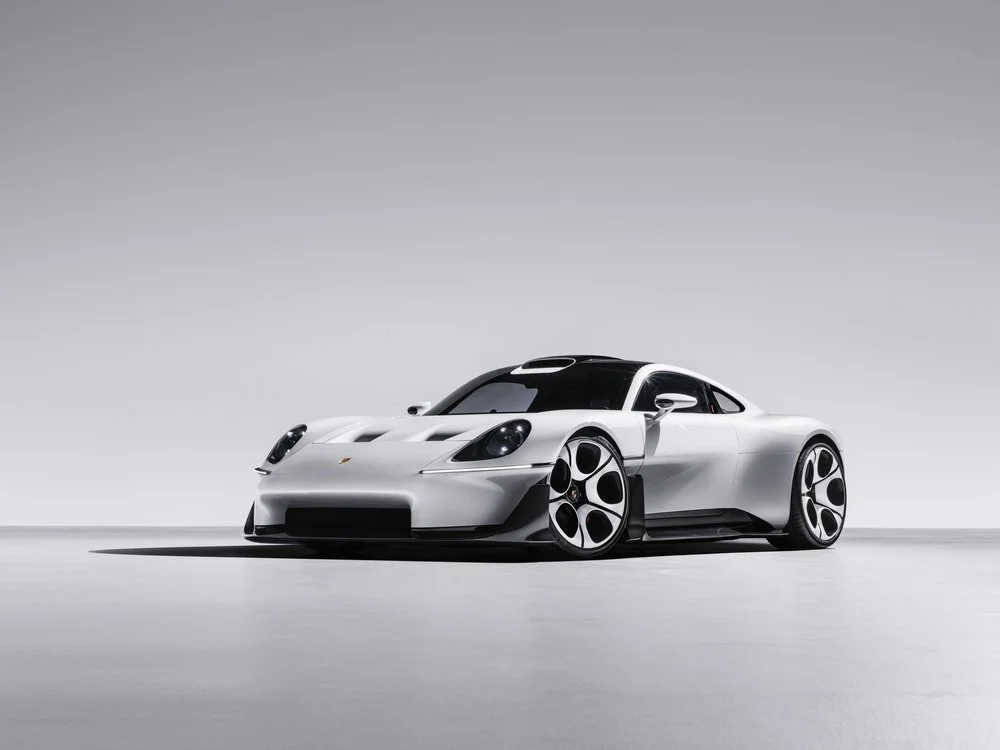
That second part deserves attention. Porsche has built hypercars before. The 959, the Carrera GT and the 918 Spyder were all brilliant, and all limited-run halo machines that came and went. The Mission S points to an ongoing model family in that rarefied space, a car you could actually order rather than one you had to be invited to buy. If Porsche follows through, it will be the biggest change to its lineup since the Cayenne.
A Premiere With a Point
Porsche chose the location carefully. The Mission S made its world debut on a pier in Queens, with Manhattan’s skyline behind it. That’s the same pier where the 550 Spyder was photographed in 1953, in images that spread around the world. The 550 was Porsche’s first super sports car, a small, light mid-engined racer that did a great deal to define the brand and to win over American buyers. Putting its spiritual successor on the same planks of wood is the kind of heritage theatre Porsche does better than anyone. It’s also a clear signal of intent.
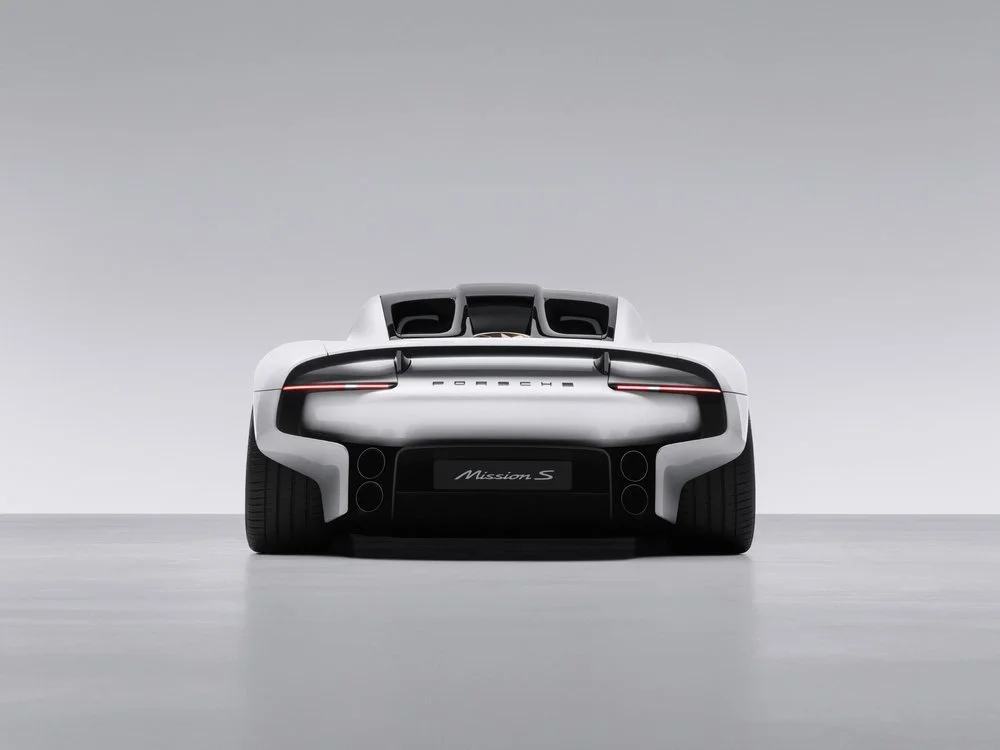
The car is part of a wider strategic reset that Porsche calls Sportwagenschmiede ‘35, which roughly means the sports car forge. Chairman Michael Leiters has made it plain that the Mission S is about recognition and that a Porsche should be identifiable at a glance, before you’ve seen the badge.
Old Icons, New Shapes
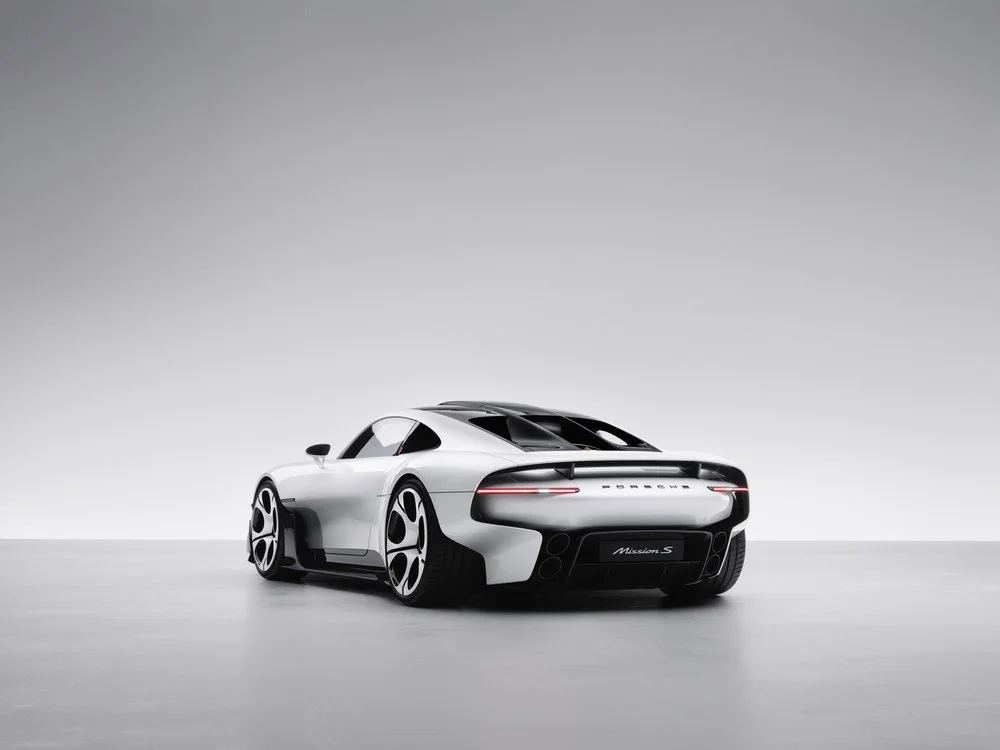
On that score, the Mission S succeeds. Its design is a carefully curated greatest-hits album, remixed rather than reissued. The round headlights and the bulging torpedo fenders come from the 911. The shut lines that flow into the light graphics nod to the G-model of the 1970s and ’80s. The flat nose borrows from the GT1 Le Mans racer, and the sweeping roofline under the rear wing recalls the 959. At the back, there’s a car-within-a-car treatment, another GT1 idea. Even the wheels draw on the 928’s famous dial design, reworked here with lightness as the priority.
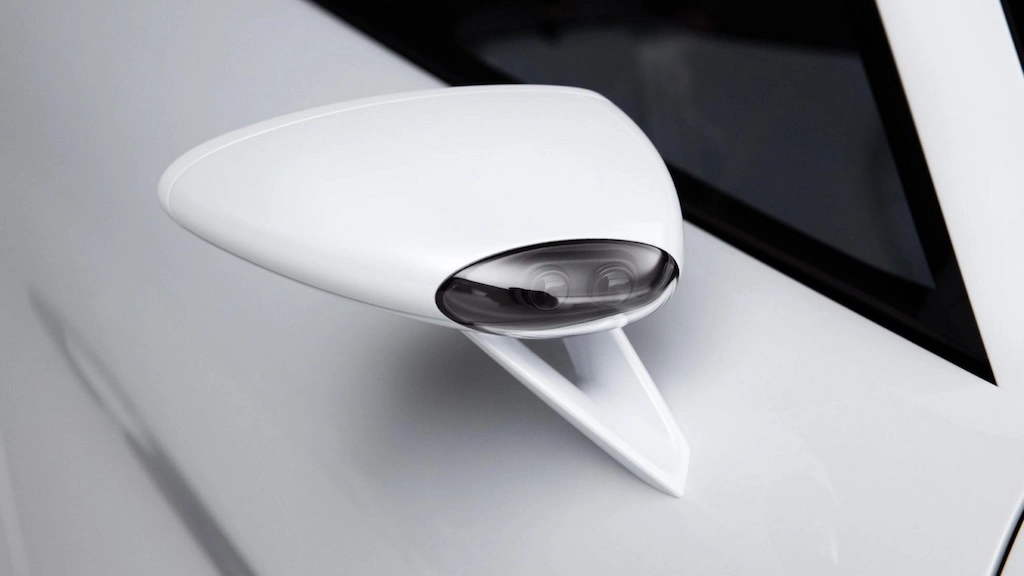
Porsche’s designers describe the overall effect as floating volumes, a design-studio phrase that actually makes sense once you see the car. The surfaces above a single wraparound line, which links the front and rear lights, are muscular and sculpted. Below that line, the bodywork exposes the technical hardware and plays up the lightweight construction. The cooling setup echoes the radiator fan of the legendary 917, and the active rear wing is fully integrated rather than bolted on. The mid-mounted engine allows for the classic Porsche flyline, that falling roof curve every enthusiast can draw from memory.
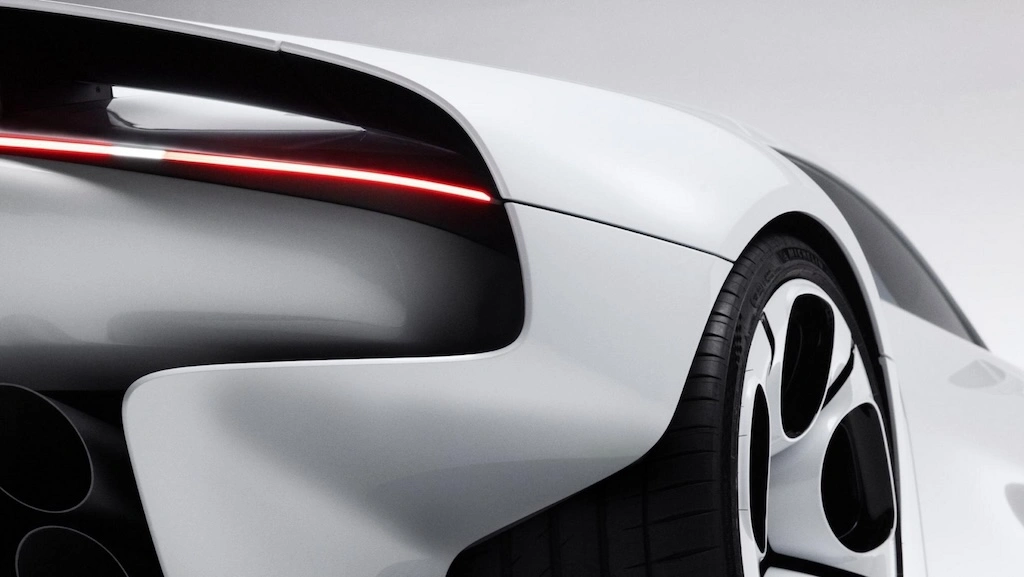
The colours follow the same logic. Firn White Metallic, Light Red Metallic and Black Chrome outside, with Special Black inside, are fresh takes on the white, grey and red of Porsche’s racing heritage.
The Cabin Is the Real Statement
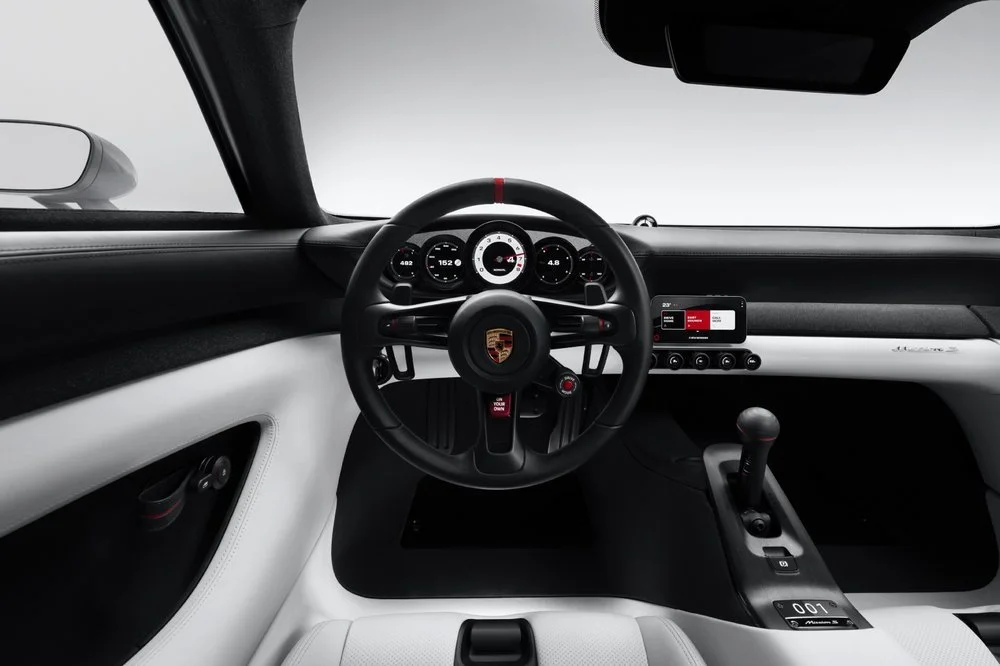
If the exterior is a love letter to the past, the interior is a quiet act of rebellion against the present. While most car makers keep fitting bigger and more numerous screens, Porsche has gone the other way. There’s no permanent central touchscreen and no passenger display. In their place is a retractable, MagSafe-compatible mount for your own phone, which can serve as the navigation and info screen when you want it and disappear when you don’t.
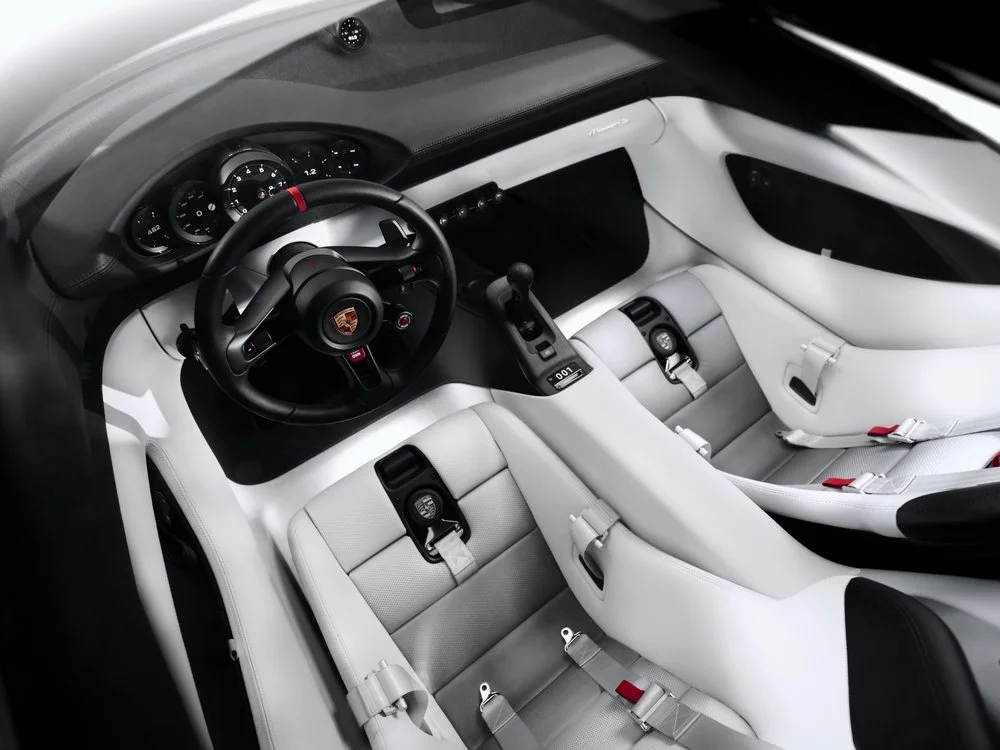
What remains is focused squarely on the driver. Five round instruments sit behind the wheel, a direct link to every great Porsche of the past. The central rev counter keeps a real analogue needle with a display behind it, and it physically moves closer to the driver in sportier modes. The dials themselves rearrange depending on the drive setting, either side by side or stacked one behind another. The key slot sits to the left of the steering wheel, as Porsche tradition demands, a quirk that dates back to Le Mans starts. New push-pull controls in the dashboard handle comfort and driving functions, and a reworked Sport Chrono clock blends mechanical charm with digital precision.
The cabin’s architecture takes its cues from the 550 Spyder and the 356, with two strong lines running through the dash and doors to create a sense of sitting deep inside the car. Even the seats have been rethought, with the seatbelt buckle built into the centre panel and the electric adjustment controls moved.
So, Is This the Porsche of the Future?
In terms of design, almost certainly yes. Porsche has said outright that the ideas in the Mission S will shape its upcoming product range, so expect these round lamps, wraparound light lines and stripped-back cabins to appear across the lineup in the years ahead. The fact that the brand is willing to lose the central screen, at least in concept form, suggests a real appetite to put driving back at the centre of the experience.
The bigger unanswered question is what’s under the skin. Porsche has said nothing yet about the powertrain, the performance figures, the price or a timeline. In a period when the company has been rethinking its electric plans, that silence is telling. It may be strategic, or it may mean the engineers haven’t finished arguing. Either way, the platform is designed for flexibility, which suggests Porsche wants room to move.
What is clear is the ambition. A permanent super sports car above the 911, designed to look unmistakably like a Porsche and built around the driver rather than the dashboard, is a confident bet on the idea that the future of the sports car looks a lot like its best days. For a brand that has made a fortune by refusing to reinvent itself, that might be the most Porsche move of all.