

A well-built home bar says more about a man than his car ever will. Here is exactly what to buy, and what to skip entirely.
There is a point in almost every dinner party, every low-key gathering, every unplanned Tuesday evening that turns into something more, when someone asks what you’re drinking, and the answer to that question tells them almost everything they need to know about you. A sad half-bottle of supermarket gin and a dusty bottle of something given as a Christmas present three years ago says one thing. A bar that has clearly been built with intention, stocked with a considered handful of decent bottles rather than an overwhelming wall of them, says something else entirely. It says you thought about this. It says you know what you’re doing.
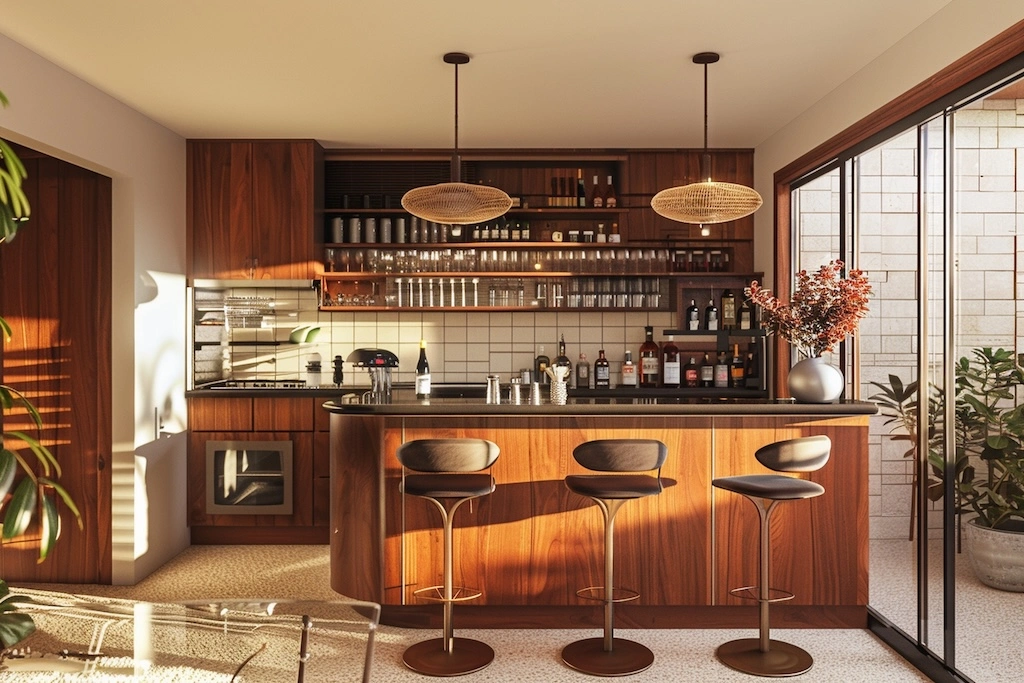
The mistake most men make when building a home bar is either wild overspending on bottles they’ll open twice, or the opposite, a single bottle of whisky and a resigned shrug when anyone asks for anything else. Neither is the move. A properly built home bar is not about volume, it’s about coverage: a small, deliberate collection that lets you make almost any classic cocktail a guest might reasonably ask for, without a cabinet that looks like a liquor store threw up in your living room.
The 12 Bottles That Cover Almost Everything
You do not need forty bottles to run a serious home bar. You need 12, chosen properly, and they will get you through the overwhelming majority of classic cocktails without a single gap.
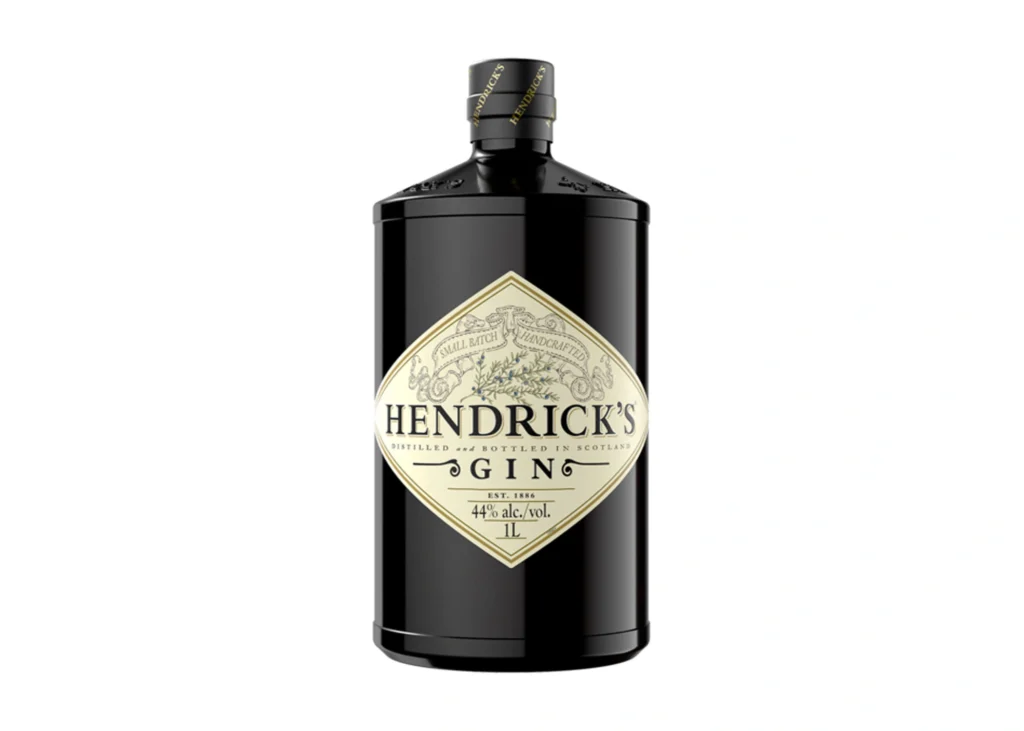
A good London dry gin. This is the backbone of any Martini, Negroni, or gin and tonic worth drinking. Choose something with real botanical character rather than the cheapest bottle on the shelf; this is the spirit doing the most work in your cabinet. If you need a little inspiration, check out our guide to the best gins for your buck.

A blended Scotch and a single malt. You’ll want to use the blend for mixers, Whisky Sours, and Highballs, and the single malt for drinking neat when the occasion or the guest deserves it. Keep them separate in your head and never use the single malt as a mixer out of laziness.
A good bourbon. Perfect for Old Fashioneds, Whisky Sours (if you prefer American whiskey to Scotch) and Manhattans, bourbon is a versatile base for half the classic American cocktail canon. Something mid-shelf and reliable beats an expensive bottle you’re too precious to actually pour.

White and dark rum. Opt for white for Daiquiris and Mojitos and dark for a proper Old-Fashioned variant or simply neat with ice on a warm evening. Rum is criminally underused in most home bars and deserves better.
A blanco tequila. Essential for Margaritas and Palomas, this is an increasingly serious spirit category that most men still associate unfairly with student nights rather than genuinely excellent drinking.
A decent vodka. Love it or hate it, vodka is arguably the most versatile spirit and deserves a spot on the shelf. Look for a good quality vodka that brings a clean, non-flavoured profile to drinks like the Martini without all the additives.
Dry and sweet vermouth. Essential, non-negotiable, and criminally overlooked. A Martini or a Manhattan is only as good as the vermouth in it, and both bottles deteriorate quickly once opened, so keep them refrigerated and replace them more often than you’d think necessary.
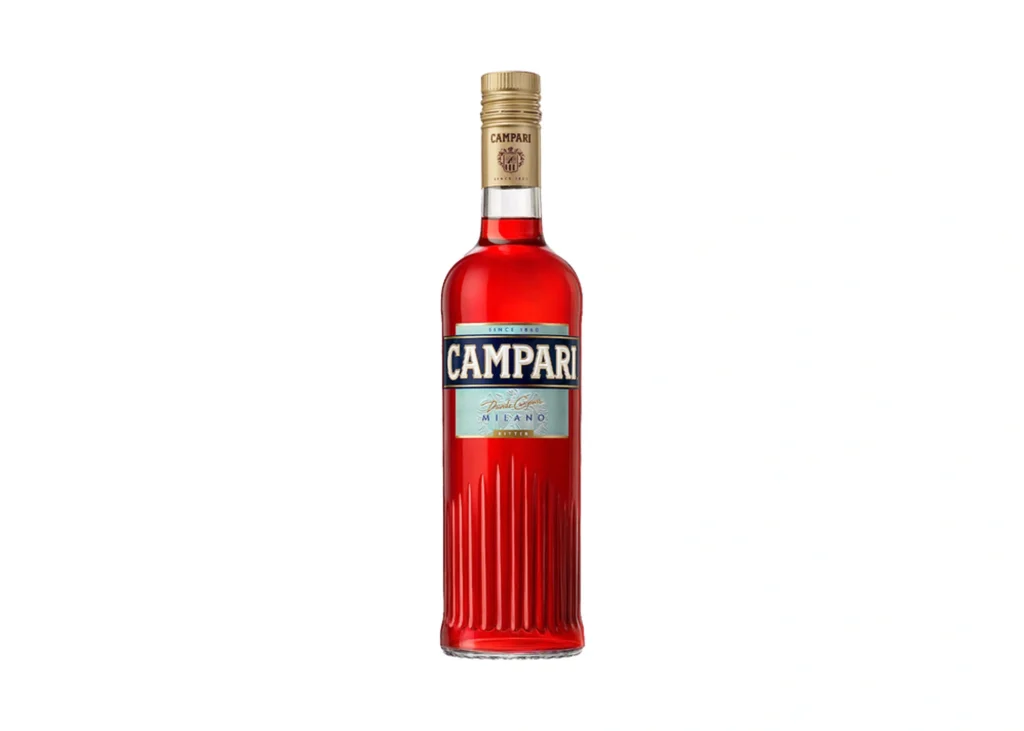
Campari or a similar bitter aperitivo. For a Negroni, an Americano, or simply topped with soda on a hot afternoon, this is a stylish staple and one that separates a serious home bar from a merely adequate one.
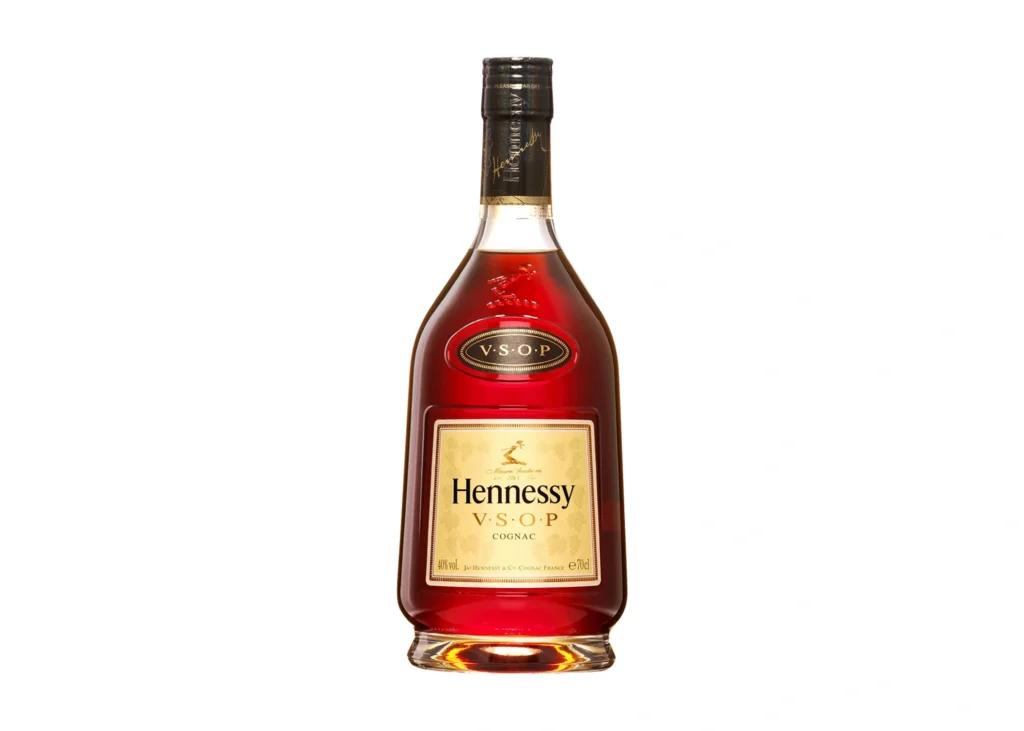
A good cognac or brandy. For sidecars, for after-dinner sipping, for the moment a dinner party needs to shift gear into something slower and more contemplative.
Angostura bitters. A few dashes transform an otherwise flat drink, and a bottle lasts for years. There is no excuse for a home bar without it.
That’s your foundation. Everything else, mezcal, an amaro, a specific liqueur for a cocktail you particularly love, can be added over time as your taste develops, but these twelve will carry you through nearly every request a guest is reasonably going to make.
Glassware: Fewer is Better
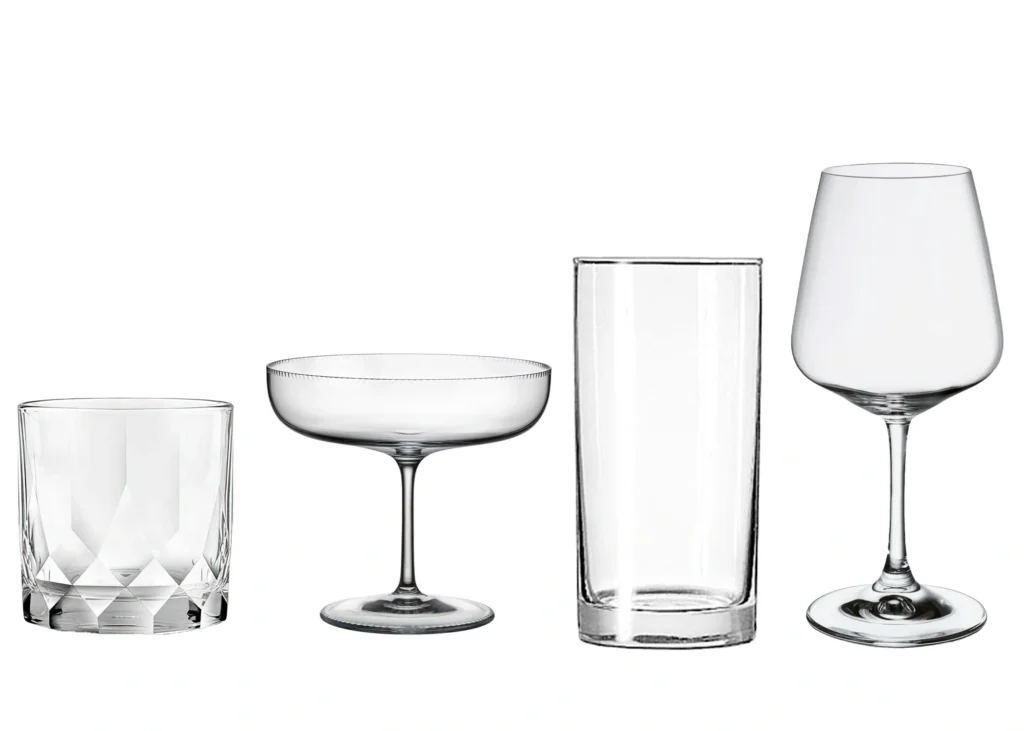
A home bar does not need eight kinds of specialist glassware to look serious; it needs just four, used properly and consistently. You’ll need rocks glasses for anything served over ice, including Old Fashioneds and Sours, as well as straight spirits. Reach for the coupe glasses for anything served up, including Martinis, Daiquiris, and Manhattans, as they’re more forgiving than the classic V-shaped martini glass, which spills if a guest so much as breathes on it. Highball glasses are used for anything topped with soda or tonic – think Highballs, Bloody Marys and Palomas – while a set of decent wine glasses will do double duty for both wine and the odd cocktail that calls for something larger (Sangria, anyone?).
Buy these in sets of at least six, ideally eight, because the moment you need seven and only own four is precisely the moment your bar stops looking considered and starts looking improvised.
The Tools: Five, Not Fifteen
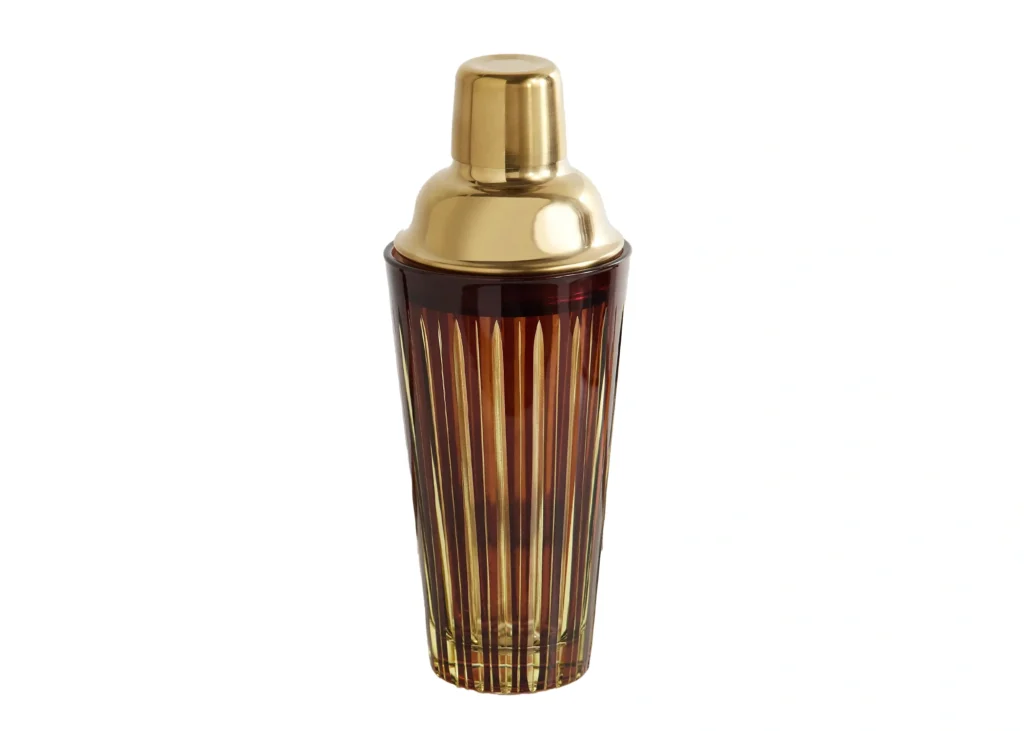
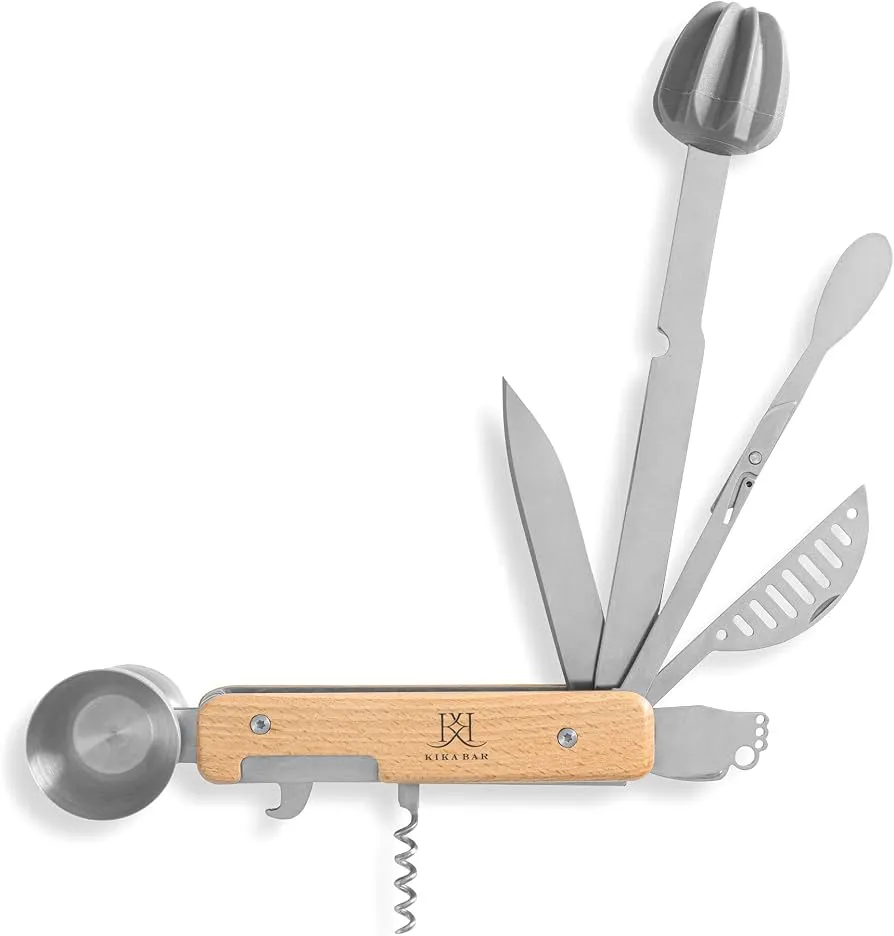
You need a shaker, a jigger, a bar spoon, a strainer, and a decent muddler. That is literally the full list. Everything else sold in a “cocktail kit” gift set is either a duplicated function or a novelty item destined to sit unused in a drawer. If you’re a smart lad that’s short on space, look out for one of the Swiss Army Knife-styled combos – my mate Nick Worley gave me one a lifetime ago, and I still reach for it on the regular.
The one place worth spending real money is the shaker itself. A cheap shaker leaks, sticks, and more often than not makes the entire process of making a drink look and feel more difficult than it should. A well-weighted, properly sealing shaker is the single tool most likely to actually improve your drinks, because it lets you shake with confidence rather than caution, and a properly shaken cocktail is genuinely, noticeably better than a half-hearted one.
The One Indulgence Worth It
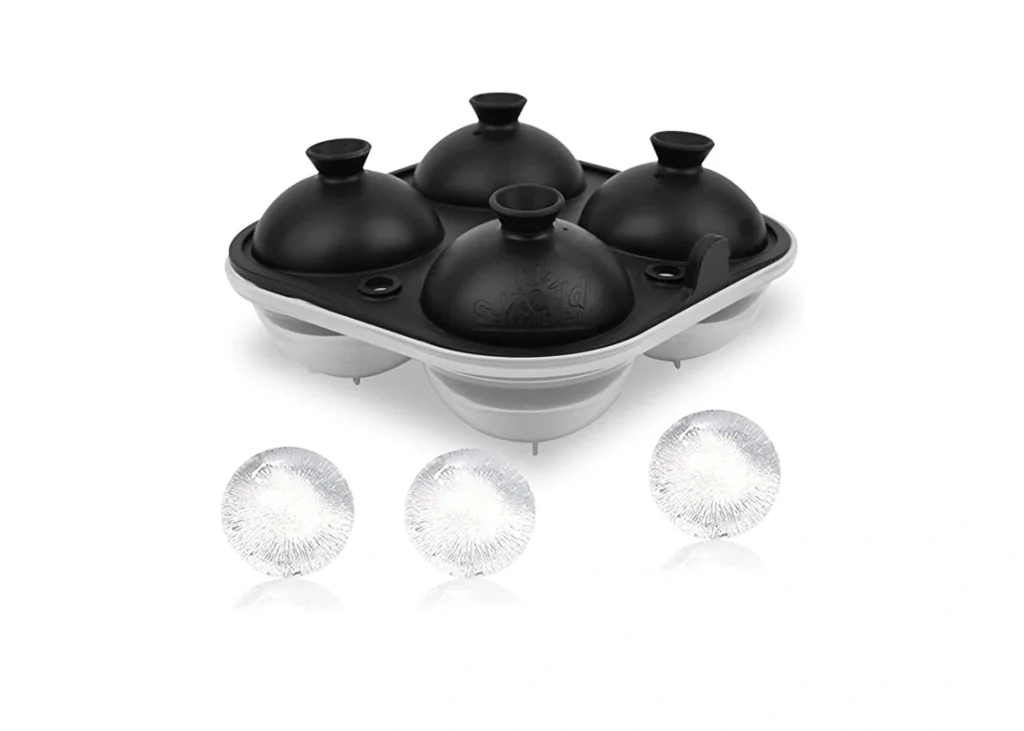
If there is a single item worth overspending on beyond the shaker, it’s ice, specifically, the ability to make it properly. Large, clear, slow-melted cubes dilute a drink far more gracefully than the small, cloudy cubes most standard freezers produce, and the difference is immediately obvious to anyone who’s had both.
A dedicated ice mould or a small countertop ice maker is not a frivolous purchase; it’s arguably the highest-impact upgrade available to a home bar, because ice touches almost everything you make. If you take your endeavours seriously, buy ice sphere moulds, they’re dead easy to use and look great, and if you’re more of a spirits on the rocks man, these ice stones are a great
What to Skip Entirely

Resist novelty bottles bought for their label rather than their contents; they photograph well and drink poorly. Skip the flavoured vodkas, the miniature bottle collections, and anything marketed primarily as a “gift for the man who has everything.” A home bar built for actual use, not display, will always outperform one built to look impressive on a shelf and never actually get poured from.
The Closing Argument

A good home bar is not a flex about how much money you’ve spent, it’s a demonstration of judgment, the same quality that makes a man good at almost everything else worth being good at. Twelve well-chosen bottles, four kinds of glassware, five proper tools and genuinely good ice will outperform a cabinet stuffed with 40 bottles bought on impulse, every single time. Build it properly once, and you will spend considerably less time restocking and considerably more time actually using it, which was always the point.
Home Bar FAQ

Even seasoned hosts Google this before their first proper bar cart purchase. Straight answers to the questions people quietly search for before stocking up.
What are the essential bottles for a beginner home bar?
Start with gin, a blended whisky, bourbon, white rum, vodka, blanco tequila, dry vermouth and Angostura bitters. That small selection alone covers Martinis, Negronis, Old Fashioneds, Daiquiris and Margaritas (as well as a ton of classic spin-offs), which is enough range to handle almost any guest’s request while you build out the rest gradually.
How much should I spend building a home bar?
A solid foundation of 12 bottles, decent mid-shelf quality rather than top-shelf, typically runs somewhere in the low hundreds, depending on where you shop. It’s a better investment to buy fewer, better bottles you’ll actually finish than a large collection that goes stale on the shelf.
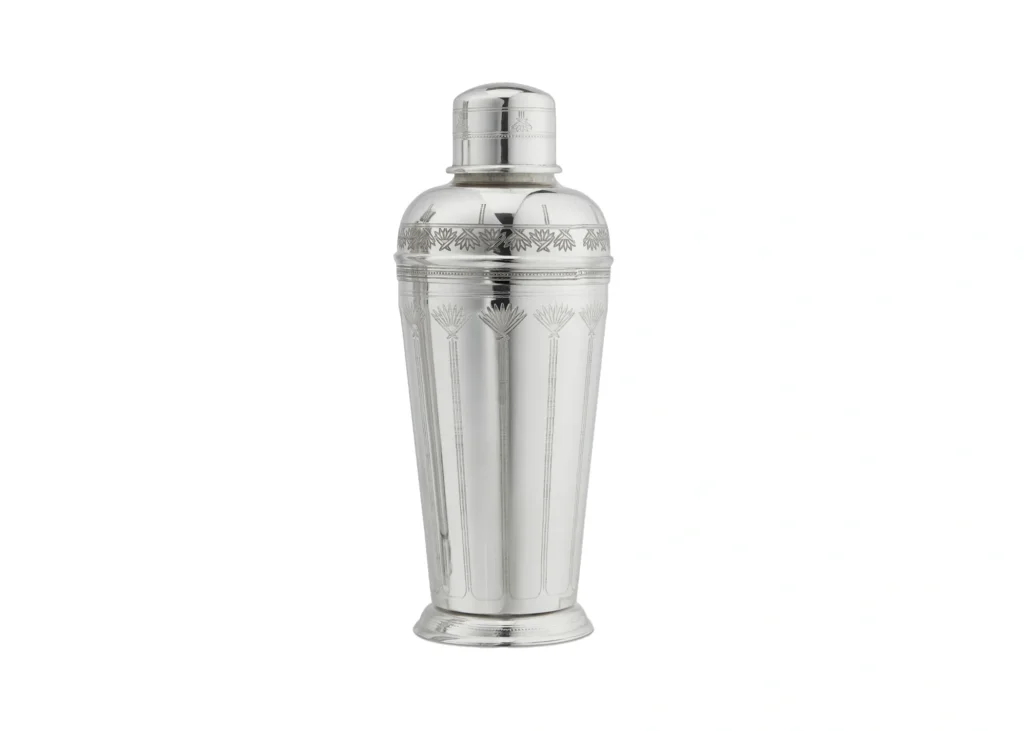
Do I really need a cocktail shaker, or can I just stir everything?
Some drinks, martinis, Manhattans, anything entirely spirit-based, are traditionally stirred rather than shaken, but anything with citrus, egg white or syrup genuinely needs a proper shake to emulsify and chill correctly. A decent shaker is one of the few tools on this list that’s non-negotiable.
What’s the difference between a jigger and just eyeballing measurements?
Consistency. A jigger ensures the same drink tastes the same every time you make it, which matters more than people expect, since most classic cocktails are quite unforgiving about ratios. Eyeballing works once you’ve made a drink dozens of times; a jigger gets you there faster.
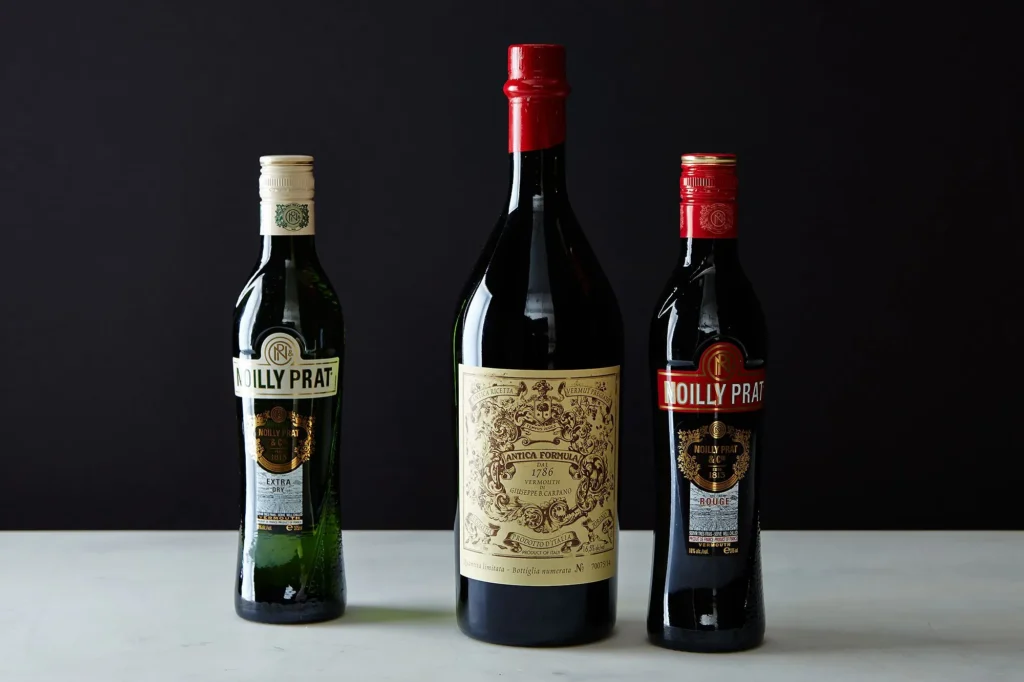
How long do opened bottles of vermouth or liqueurs last?
Vermouth, unlike spirits, is wine-based and starts to degrade once opened. Refrigerate it and aim to use it within four to six weeks for the best flavour. Most liqueurs last considerably longer, several months to a year once opened, though flavour can dull gradually over time.
Is it worth buying a specific ice mould for cocktails?
Genuinely, yes. Large, clear, slow-melted ice dilutes drinks more gracefully than standard freezer ice and noticeably improves the finished cocktail. If there’s one small upgrade worth prioritising beyond the core bottles and tools, it’s better ice.

What glassware do I actually need for a home bar?
Rocks glasses, coupe glasses, highball glasses and a set of wine glasses cover the overwhelming majority of classic cocktails and everyday drinking. Buy in sets of six or eight rather than four, so you’re never caught short with an extra guest or two.
Should I bother with a specific home bar cart or cabinet?
It’s a style choice rather than a necessity, but a dedicated space does genuinely change how often you use it. A visible, well-organised bar cart or shelf invites you and your guests to actually make drinks, rather than digging bottles out of a cupboard as an afterthought.