
The skincare industry wants to sell you 12 products. Dermatologists will tell you that you need four. This is the no-nonsense guide to what those four products are, what they actually do to your skin, what ingredients are worth paying for, and how the tropical climate changes the calculation—without a single mention of ‘radiance’ or ‘glow’.
Let’s start with the honest version of the conversation that most men have never had. Your skin is an organ. In fact, it’s the largest one you have (no matter your bar brags), covering roughly two square metres of surface area and performing a continuous series of functions, from temperature regulation to immune defence to the synthesis of Vitamin D. It’s also the part of you that every person who looks at you sees first, and it ages faster without basic maintenance than almost anything else about you. And yet, the majority of men treat it with a bar of soap and a mild sense of denial.
The skincare industry hasn’t helped. It has spent decades building a category that feels simultaneously trivial and overwhelming—trivial because it has been marketed primarily at women using language and imagery that has made many men feel like spectators, and overwhelming because the product proliferation is sincerely staggering. Trail your lady love into any pharmacy in Singapore or any beauty hall in Hong Kong and you’ll be confronted with hundreds of products making claims that range from the plausible to the frankly fictional, at price points from the sensible to the ridiculous, with ingredient lists that require a chemistry degree to parse.
The good news is that the dermatological consensus—what skin doctors actually agree on, stripped of marketing—is remarkably simple. Consistent use of four basic products will address the vast majority of men’s skin concerns, slow the visible effects of ageing more effectively than any cosmetic procedure available at anything close to a reasonable price, and take approximately four minutes of your day. That’s the deal. Here’s how it works.
First: Understanding What You’re Working With

Before the routine, a brief and practical primer on male skin, because it differs from female skin in ways that matter for product selection and routine design.
Male skin is, on average, approximately 25% thicker than female skin due to the effects of testosterone on collagen density. It produces roughly twice as much sebum (the skin’s natural oil), which means men are more prone to enlarged pores, acne, and a generally oilier surface texture. However, the flipside is that male skin tends to remain more hydrated naturally for longer. It ages differently too: men tend to show fewer fine lines in their twenties and thirties but experience a more rapid deterioration in the mid-forties as collagen production drops sharply, producing deeper lines and more pronounced sagging than the more gradual decline typical in women.

If You’ve Noticed, We Shave
Daily shaving is the other significant variable. Dragging a blade across your face removes not just hair but a layer of skin cells, an inadvertent form of exfoliation that simultaneously irritates the skin’s surface and increases sensitivity. Men who shave daily are subjecting their skin to a mechanical stressor that compounds significantly over decades without basic protective care. The post-shave recovery routine is not a vanity indulgence; it’s basic maintenance of a surface that is being regularly abraded.
Skin Types Matter
Skin type is the other thing to understand before buying anything. The broad categories are normal (relatively balanced oil production, few sensitivities), oily (excess sebum, prone to shine and breakouts), dry (insufficient sebum, prone to tightness and flaking), combination (oily in the T-zone—forehead, nose, chin—and drier on the cheeks), and sensitive (reactive to products, environmental factors, or both, with redness and irritation as the typical presentation). Most men in Southeast Asia trend toward oily or combination, particularly in the heat and humidity, which affects product selection more than any other single factor.
Step One: Cleanser — The Foundation of Everything

Washing your face is not the same as washing your face well. Bar soap—the default for most men who haven’t thought specifically about skincare—strips the skin’s natural oils aggressively, disrupts the skin’s acid mantle (the slightly acidic protective film on the skin’s surface), and leaves the skin defensively overproducing sebum to compensate. The result, paradoxically, is often oilier skin than if you hadn’t washed at all. A face wash designed specifically for facial skin addresses this problem by cleaning effectively while maintaining the skin’s natural pH balance.
What you are looking for in a cleanser depends on your skin type. For oily or combination skin—the majority of men in tropical climates—a gel or foaming cleanser with salicylic acid (a beta-hydroxy acid that dissolves oil and penetrates pores) or niacinamide (vitamin B3, which regulates sebum production and reduces the appearance of pores) is the smart choice. For normal to dry skin, a cream or milk cleanser that cleans without stripping is more appropriate. For sensitive skin, a fragrance-free, minimal-ingredient formula is the priority—the fewer the ingredients, the fewer the potential irritants.

How to use it correctly
Wet your face with lukewarm water (not hot water, which strips oils and dilates blood vessels unnecessarily), apply a small amount of cleanser, work it gently into the skin for thirty to sixty seconds, and rinse thoroughly. Pat dry with a clean towel—do not rub. The whole process takes ninety seconds, so do it morning and evening. This single change, applied consistently, improves almost every other skin concern because it removes the dirt, excess oil, dead cells, and environmental pollutants that accumulate on the skin’s surface and compromise everything else.
Recommended starting points
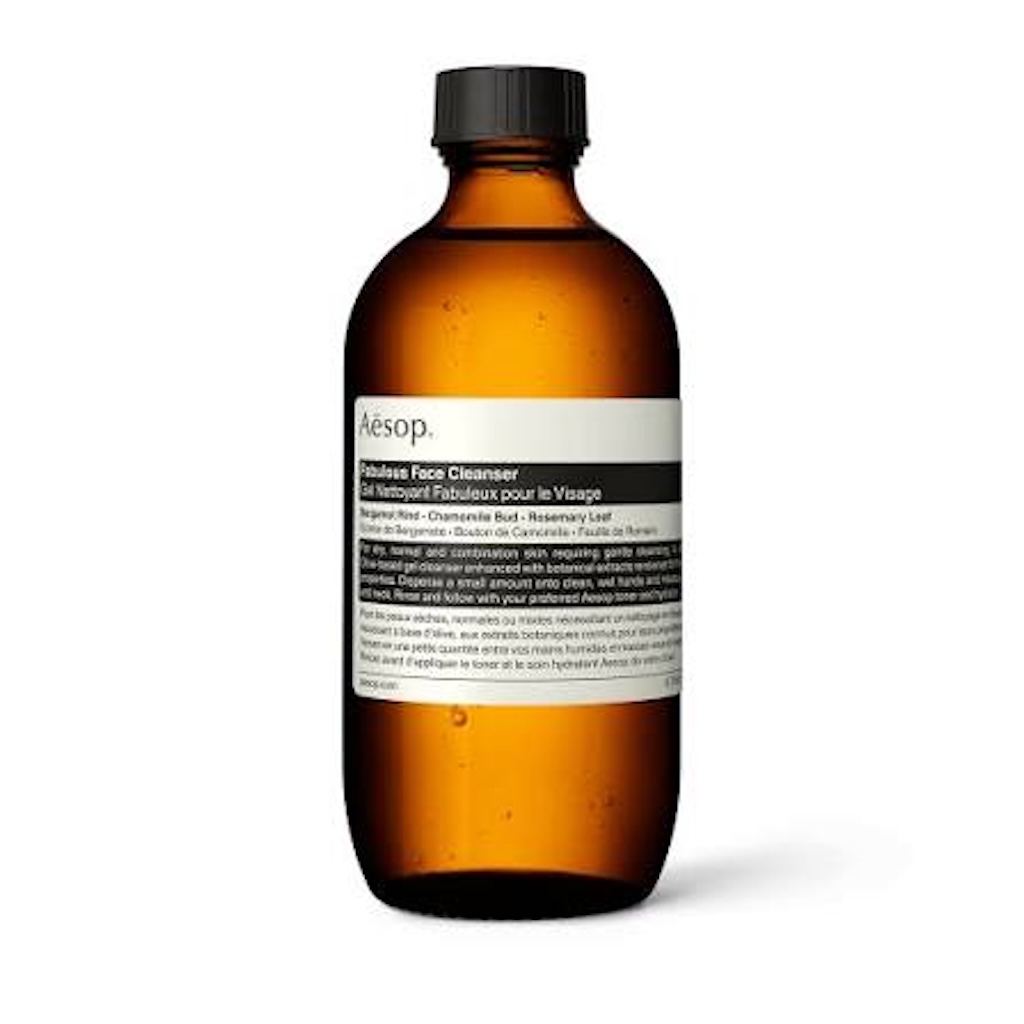
Try CeraVe Foaming Facial Cleanser for an affordable option for oily/combination skin; La Roche-Posay Toleriane Hydrating Gentle Cleanser for a fragrance-free option for dry/sensitive skin; or Cetaphil Gentle Skin Cleanser, the safe default for sensitive or reactive skin. If you want to spend more, Aesop’s Fabulous Face Cleanser is well-formulated and pleasant to use without being overpriced relative to its quality.
Step Two: Moisturiser — The Step Most Men Skip and Shouldn’t

The most common objection to moisturiser from men—particularly those in tropical climates—is that their skin already feels oily and the last thing it needs is more moisture added to it. This is a reasonable instinct based on a misunderstanding of what moisturiser actually does.
Moisturiser does not add oil to the skin. Its primary function is to support the skin’s barrier, the outermost layer of skin cells and the lipids between them that keep water in and irritants out. A compromised barrier loses water to the environment (something called transepidermal water loss), which triggers the skin’s sebaceous glands to overproduce oil in compensation. This is why skin that is simultaneously dehydrated and oily is such a common presentation; the skin is dry beneath the surface and overproducing oil on top as a defensive response. A well-chosen moisturiser addresses the dehydration without adding oiliness.
In a tropical climate, this means choosing a lightweight, water-based gel or gel-cream moisturiser rather than the rich, creamy formulas designed for cold and dry northern climates. Hyaluronic acid—a molecule that holds up to a thousand times its weight in water—is the ingredient that most effectively addresses surface dehydration without adding any oiliness. Niacinamide in a moisturiser (in addition to or separate from the cleanser) helps regulate oil production and reduces visible pores over time while Ceramides—lipid molecules that occur naturally in the skin’s barrier—support barrier function and are particularly useful for skin that is reactive or frequently irritated by shaving.
How to use it correctly
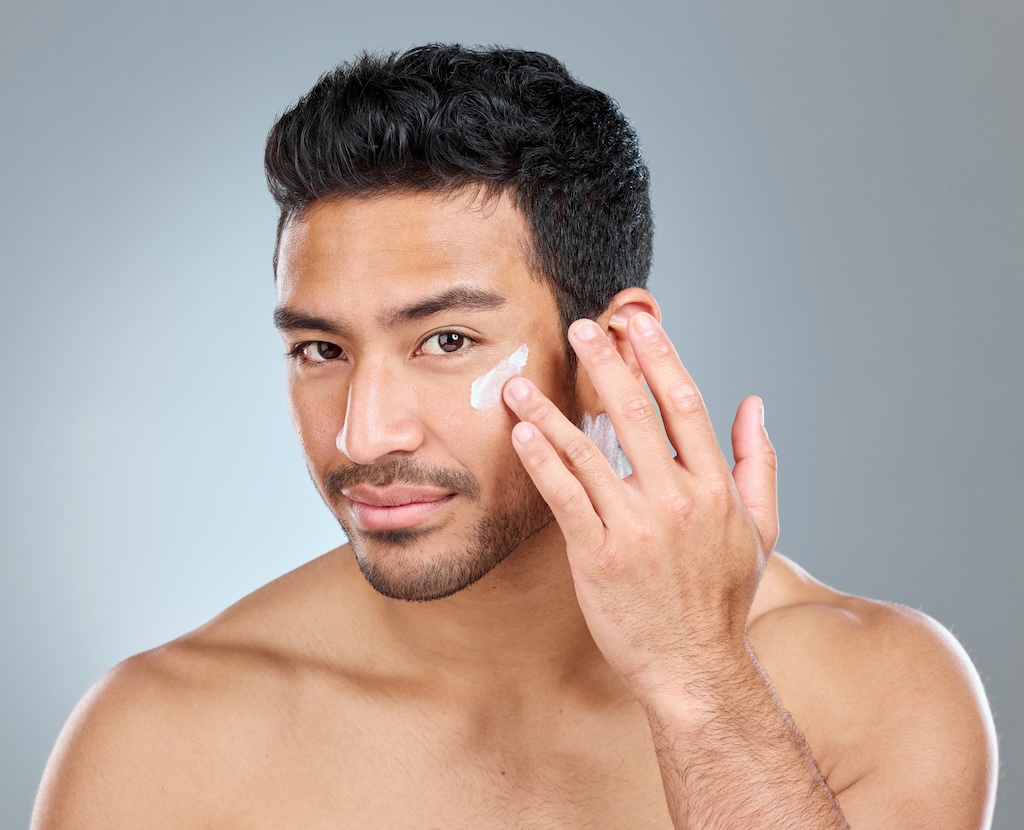
Apply moisturiser to slightly damp skin immediately after cleansing—within a minute or two of patting dry—when the skin is most receptive to hydration. A pea-to-fingertip-sized amount is sufficient for most faces. Work it gently over the entire face and neck, including the often-neglected area below the jaw. Allow it to absorb fully before applying SPF on top in the morning.
Recommended starting points
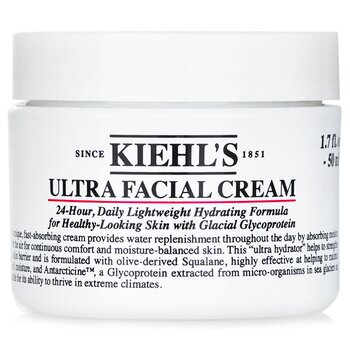
Try Neutrogena Hydro Boost Water Gel, a great value hyaluronic acid moisturiser that’s lightweight, non-greasy and immediately effective; Paula’s Choice RESIST Barrier Repair Moisturiser for those with combination-to-dry skin who want something slightly richer with proven active ingredients; or, a favourite of mine, Kiehl’s Ultra Facial Cream, the reliable mid-range workhorse; it’s slightly heavier than the others but excellent in more air-conditioned environments.
Step Three: SPF — The Single Highest-Return Investment in Your Bathroom
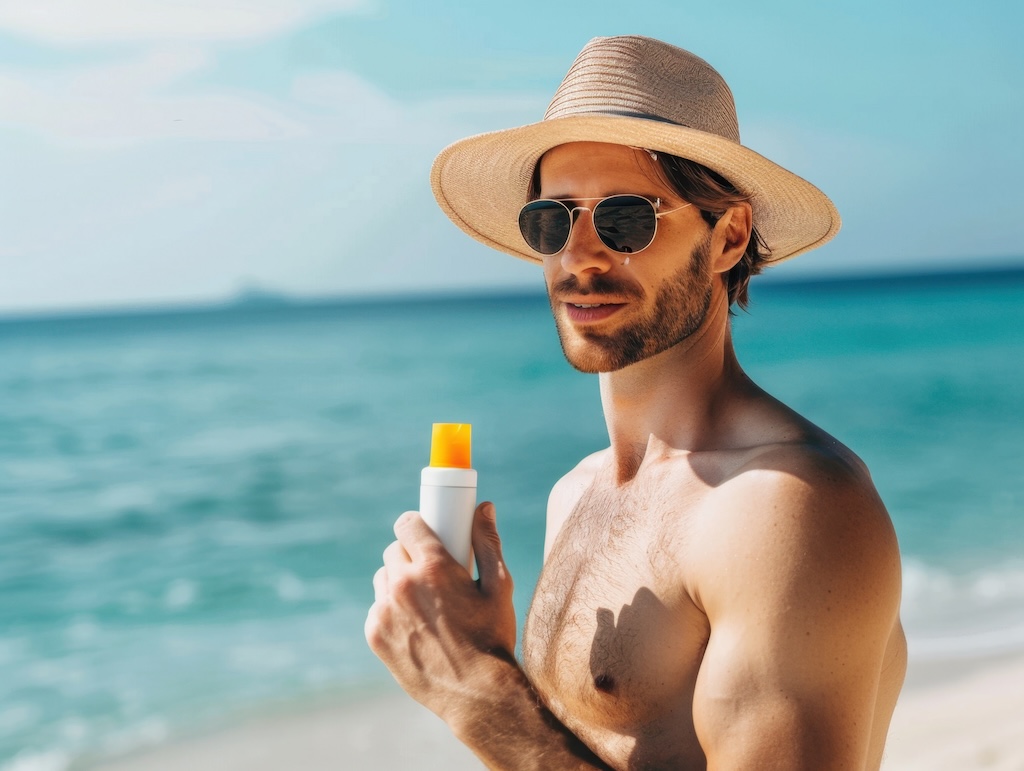
If you take nothing else from this guide, take this: daily broad-spectrum SPF is the single most impactful thing you can do for your skin. Not occasional SPF on beach days. Not SPF 15 applied in quantities far too small to achieve protection, but a daily, deliberate, adequately applied broad-spectrum SPF of 30 or above, every morning, on every exposed area of skin.
The evidence is unambiguous. Ultraviolet radiation—both UVA (which penetrates glass and cloud cover and causes photoageing) and UVB (which causes burning and more directly drives skin cancer)—is responsible for approximately 80% of the visible signs of skin ageing. These include fine lines, uneven skin tone, hyperpigmentation, loss of elasticity, and the general texture degradation that most men attribute to ‘getting older’ but is more accurately described as ‘accumulated sun damage.’ A 2013 study published in the Annals of Internal Medicine found that participants who applied SPF daily showed no detectable increase in skin ageing scores over four and a half years, compared to measurable deterioration in the control group.
In Southeast Asia, where the UV index regularly reaches 10 to 12 (classified as ‘extreme’ on the WHO scale) and where UVA exposure is continuous year-round rather than seasonal, the case for daily SPF is not a beauty concern but a health decision. Skin cancer rates, though historically lower in the region’s predominantly darker-skinned populations, are increasing. For lighter-skinned men living or working regularly in the tropics, cumulative UV exposure is a serious long-term risk that daily SPF substantially mitigates.
A new generation of sunscreens
The practical barrier for most men is texture and aesthetics: traditional SPF formulations—the thick, chalky, white-cast sunscreens of a previous generation—feel unpleasant under clothing, leave a visible residue on darker skin tones, and sit badly under any other product. The newer generation of facial SPF, developed largely by Japanese, Korean, and European cosmetic chemists, has addressed this almost entirely. Lightweight fluid and gel SPF formulations now exist that absorb within seconds, leave no white cast, and feel genuinely comfortable as a daily face product.
Recommended starting points
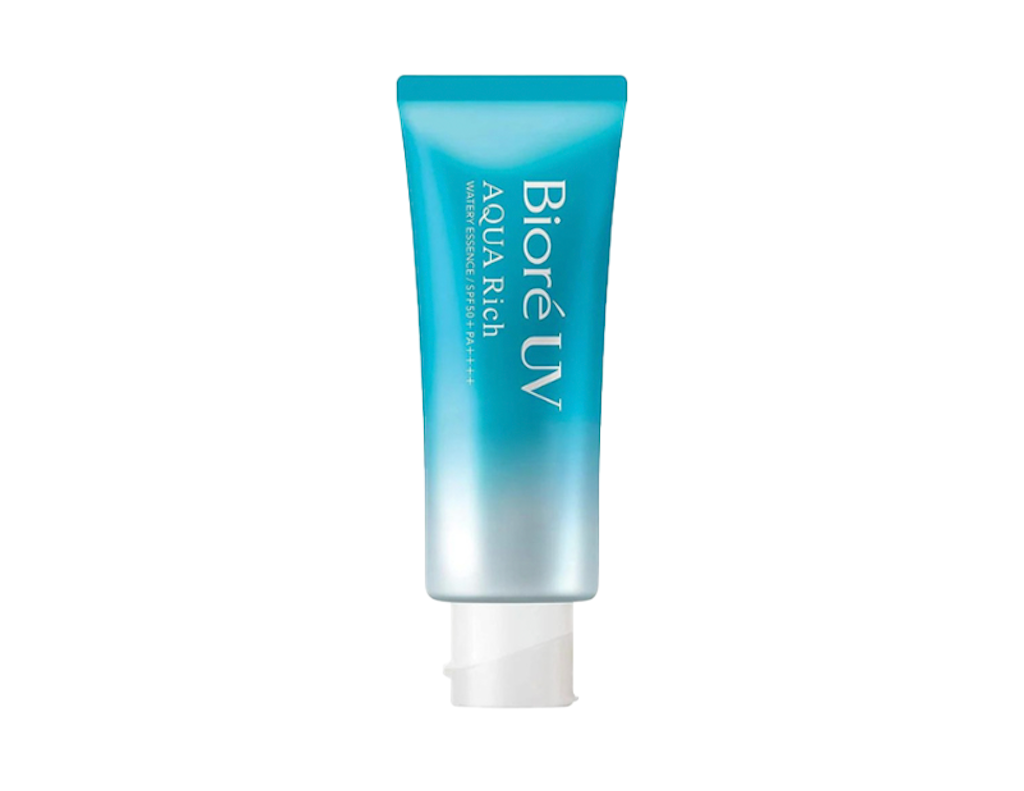
Get your hands on Biore UV Aqua Rich Watery Essence SPF 50+ PA++++, the benchmark Japanese SPF, which is extraordinarily lightweight and costs almost nothing. Alternatively, reach for the Altruist SPF 50 Face Fluid, the European budget champion; or Bondi Sands Fragrance Free SPF 50 Sunscreen Lotion, which is widely available and has a clean formulation with minimal fragrance. For those who want an all-in-one, the EltaMD UV Clear SPF 46 combines SPF with niacinamide in a single lightweight formula.
How to use it correctly
The standard guidance is that SPF should be applied as the last step in your morning routine, after moisturiser, and in a sufficient quantity to work. The rule of thumb for the face is approximately a quarter teaspoon—more than you think, applied evenly across the face, neck, and the tops of the ears. Reapplication matters too: SPF degrades with UV exposure and sweat, and in a tropical climate—particularly if you are spending time outdoors—reapplication every two hours is the correct approach. A spray or stick SPF makes midday reapplication practical rather than theoretical.
Step Four: Retinol — The One Active Ingredient That’s Worth It

The first three steps constitute the non-negotiable baseline. The fourth—retinol—is the upgrade that the evidence supports most strongly for anyone interested in doing more than maintaining the status quo.
Retinol is a vitamin A derivative that, when applied topically, is converted by the skin into retinoic acid—the biologically active form that does the actual work. It accelerates cell turnover, pushing newer, healthier cells to the surface faster than they would arrive naturally. It also stimulates collagen production, directly counteracting the collagen degradation that produces lines and loss of firmness, while also regulating sebum production, making it effective for acne-prone skin. Oh, and it inhibits the transfer of melanin to skin cells, gradually improving uneven skin tone and hyperpigmentation. No other over-the-counter ingredient has this breadth of evidence behind it. Retinoids (the prescription-strength family, including tretinoin) are among the most thoroughly studied compounds in dermatology.
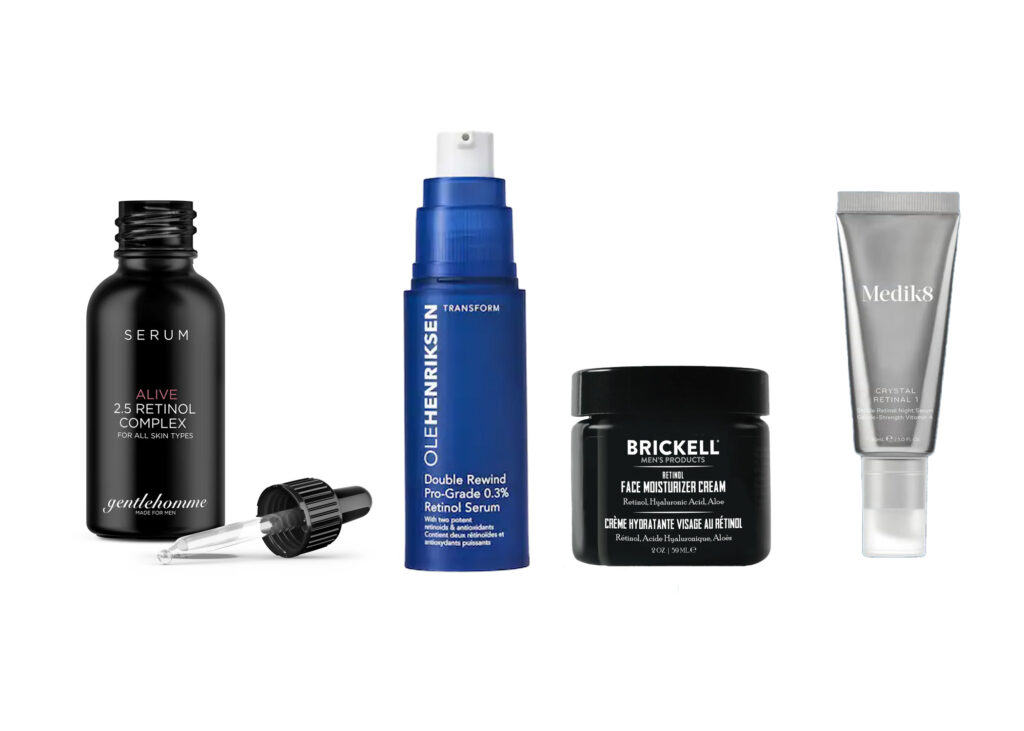
The reason retinol is step four rather than step one is that it requires acclimatisation. Starting too high a concentration too quickly causes irritation, redness, peeling, and the ‘retinol uglies’, a week or two of adjustment that many men encounter and interpret as an allergic reaction before abandoning ship. The correct approach is to start at a low concentration (0.025%–0.1%), apply it two to three times per week to fully dry skin at night, and build up gradually over several months to a higher concentration and more frequent use. The adjustment period is real and temporary; the long-term results are measurable and cumulative.
Retinol is a night-time product. It degrades in UV light (which is why it should not be applied in the morning) and it increases photosensitivity, making daily SPF even more important during retinol use. Apply it to clean, dry skin after cleansing and before moisturiser—a pea-sized amount is sufficient for the entire face. In the early weeks, some men benefit from applying moisturiser first and retinol on top (‘buffering’), which slows absorption slightly and reduces initial irritation.
Recommended starting points
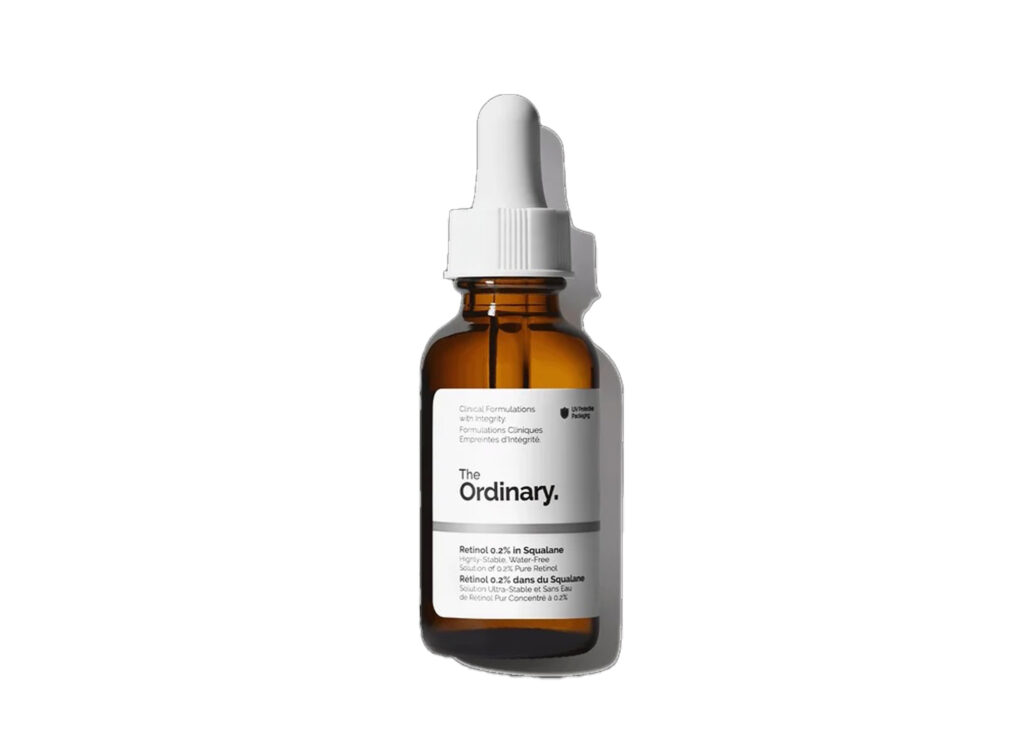
You might like to try RoC Retinol Correxion Line Smoothing Serum, a reliable, widely available entry-level retinol at a sensible price point); The Ordinary Retinol 0.2% in Squalane, an extraordinarily affordable and effective option; or, for those who want to go direct to prescription strength: tretinoin (retinoic acid), which often requires a dermatologist’s prescription but can also be found at low concentrations over the count. At 0.025%, it is ‘significantly more effective than even high-concentration OTC retinol and represents the most direct route to measurable results—though it also demands the most careful introduction.
The Complete Routine: Morning and Evening
With the four steps understood, the practical routine is as follows, and the time investment is genuinely minimal.
Morning (approximately 3 minutes)
Cleanse with a face wash appropriate for your skin type. Apply moisturiser to slightly damp skin. Apply SPF as the final step. That is the complete morning routine. If you shave in the morning, cleanse after shaving rather than before, and allow your skin two to three minutes to settle before applying moisturiser to reduce post-shave sensitivity.
Evening (approximately 2 minutes)
Cleanse again to remove the day’s accumulation of SPF, sweat, oil, and environmental pollutants—this evening cleanse is arguably more important than the morning one, particularly in tropical cities with high particulate pollution. On retinol nights (two to three per week to begin with), apply a small amount of retinol to dry skin before moisturiser. On non-retinol nights, simply moisturise and sleep. No need for SPF at night (dah).
That is the complete system. Four products. Two short routines. Consistent daily application over months and years, not days. The skincare industry’s greatest success has been convincing people that complexity is a proxy for efficacy. Dermatologists’ consistent message is the opposite: a simple routine done consistently outperforms a complicated one done occasionally by a significant margin.
What You Don’t Need: Cutting Through the Marketing

Understanding what not to buy is as useful as understanding what to buy, particularly in a category where the product proliferation is driven more by margin opportunity than by genuine consumer need.
Toners were historically used to restore the skin’s pH after alkaline bar soaps disrupted it. A modern pH-balanced cleanser makes this unnecessary. Some toners contain useful actives (niacinamide, AHA/BHA exfoliants) that can be useful, but as a category, the majority are water, fragrance, and alcohol, delivering a pleasant astringent sensation that is not the same as a skincare benefit. If you want the actives, buy the actives in a more concentrated and effective form.
Eye creams are a triumph of marketing segmentation. The skin around the eyes is thinner and more delicate, which is true, but it responds to the same ingredients that benefit the rest of the face. A light moisturiser and SPF applied with a gentle touch to the orbital area does the same job as a ‘dedicated eye cream’ at a fraction of the price. The one exception is caffeine-containing eye gels, which can temporarily reduce puffiness through vasoconstriction, which is a real and useful effect on mornings that require it.

Serums are the category most successfully sold on the idea that more steps equal better results. Some serums—particularly vitamin C serums (which provide antioxidant protection and support SPF efficacy), hyaluronic acid serums, and niacinamide serums—are fairly useful additions to the four-step routine for men who want to go further. Many others are expensive water with fragrance and a compelling origin story. If you add a serum, add one, understand what its active ingredient does, and evaluate the results over at least six to eight weeks before adding another.
Face masks are largely entertainment. Sheet masks, clay masks, and peel-off masks provide a sensory experience and occasionally a temporary cosmetic effect. They’re not the delivery mechanism for long-term skin improvement. Use them if you enjoy them (women love us to join in), but don’t mistake them for skincare.
Anything claiming to ‘detoxify’ the skin is making a claim that has no biological basis. The skin does not accumulate ‘toxins’ in a form that skincare products can address. The liver and kidneys perform detoxification. If you encounter this word on a skincare product, it’s a reliable signal that the marketing budget exceeded the formulation budget.
The Tropical Adjustment: How Southeast Asia Changes the Routine

The four-step framework is universal, but its specific application in a tropical climate requires some adjustment that the standard Western skincare guidance does not account for.
Heat and humidity affect the skin’s sebum production significantly, and most men find their skin runs oilier in tropical climates than they did in temperate ones, even if they’ve never considered themselves to have oily skin. The practical response is to lean toward gel and water-based formulations across the entire routine: gel cleansers over cream ones, water-gel moisturisers over richer emulsions, lightweight fluid SPF over cream SPF. If you’re using a retinol product, the tropical environment increases the importance of SPF even further, as retinol-sensitised skin in equatorial UV conditions is not a combination to take lightly.
Humidity is frequently misunderstood as inherently beneficial for the skin. It is, in moderate amounts—ambient moisture in the air reduces transepidermal water loss—but the air-conditioned offices, hotels, and apartments that characterise daily life for most men in Asia are dehumidified environments that are, at a skin level, more similar to a cold dry day in London than to the tropical exterior. The skin alternates between high-humidity exterior conditions and dry interior ones many times per day, which stresses the barrier function and makes consistent moisturisation more rather than less important.

Pollution is the other tropical urban consideration. Bangkok, Jakarta, and Ho Chi Minh City regularly record air quality indices that classify as unhealthy; Kuala Lumpur and Singapore are periodically affected by regional haze. Particulate matter—PM2.5 specifically—penetrates the skin’s barrier, generates free radical damage, and contributes to both visible ageing and inflammatory skin conditions. The evening cleanse is the primary defence and allows you to remove the day’s particulate accumulation before it can do extended damage overnight. Antioxidant actives—vitamin C in the morning under SPF, niacinamide throughout the routine—provide additional protection at a cellular level.
Sun exposure patterns in Southeast Asia are also different from temperate norms. The UV index peaks between 10 am and 2 pm and remains significant from 9 am to 4 pm. For men who commute by motorcycle, walk between buildings, or work in any context that involves regular outdoor exposure, this window represents cumulative UV damage that most SPF guidance—designed with temperate climates in mind—underestimates. Midday reapplication of SPF, however inconvenient it feels, is the correct response.
On Visiting a Dermatologist

The four-step routine covers 90% of what most men need. The remaining 10%—persistent acne, rosacea, significant hyperpigmentation, suspicious moles, severe sun damage, or any skin concern that is not responding to consistent OTC skincare over three to six months—warrants a visit to a dermatologist rather than the purchase of more products.
Prescription retinoids—particularly tretinoin at 0.025% to 0.05%—are the most significant upgrade available beyond the OTC four-step routine for most men, and a dermatologist is the fastest route to accessing them safely and correctly. A single consultation is typically sufficient to establish a prescription and a protocol, and the cost is modest relative to what most men spend on products of considerably less proven efficacy.
The Honest Closing Argument

The objection that many men carry about skincare, that it’s somehow vain, or excessive, is worth examining directly. Looking after your skin is not vain, it’s simply maintenance of your lady catcher. Your skin is in service every moment of your life and is irreplaceable, and the idea that maintaining it constitutes some form of vanity is a cultural holdover with no rational basis, and it has cost a generation of men the compounded benefit of starting this earlier than they did.
The four steps described in this guide will take less time than scrolling your phone in the bathroom, and they’ll cost, in total, considerably less than a single dinner date at a decent restaurant. Applied consistently over the next five years, they’ll produce results that no cosmetic procedure, no dermal filler, and no filter on any photograph will replicate. And they will do it incrementally, quietly, and without anyone noticing the process—only, eventually, the outcome.
That is the deal, and it’s a very good one. Four minutes a day, every day, starting now.